
According to HubSpot’s 2026 marketing report, blog posts remain among the top 5 highest-ROI content formats, reinforcing why event planning blogs continue to play a key role in shaping event strategy and execution. With so many voices out there, only a few blogs deliver insights you can apply without second-guessing. Here are 7 must-read event planning blogs that help planners stay sharp and plan with clarity in 2026.
Why Event Planning Blogs Still Matter in 2026?
Blogs are no longer simply informational resources about an event. Today, blogs have evolved into trust factors, as well as primary AI navigation resources. Social media will get some immediate engagement; however, blogs are a long-term resource to drive potential customers from browsers to buyers.
Here’s how event planning blogs still do the heavy lifting in 2026:
AI Feeds
First things first: today’s answer engines want the rich, well-organized content in blog posts to recommend events. If you don’t keep your blog up to date, your event is effectively invisible to the AI tools people use to manage their schedules. The good news: regular blogging means they see you.
Developing Credibility
Social media today is filled with AI-generated clutter, and people want to hear real-life human stories. Writing articles about speakers and what happens backstage can build credibility, showing that your event is worth attending.
Creating Content for Your Entire Marketing Funnel
One good article is the fuel for your entire marketing machine. You can draw inspiration for emails or micro-video scripts from a single article to ensure your message is consistent across all channels.
Today, event management blogs are no longer just supplementary webpages. They are the powerhouses of your online presence. Use them strategically.
7 Must-Read Event Planning Blogs for Planners in 2026
Here are 7 must-read event planning blogs that help you execute events with confidence in 2026.
1. Top 10 Scientific Journals to Publish Your Academic Papers
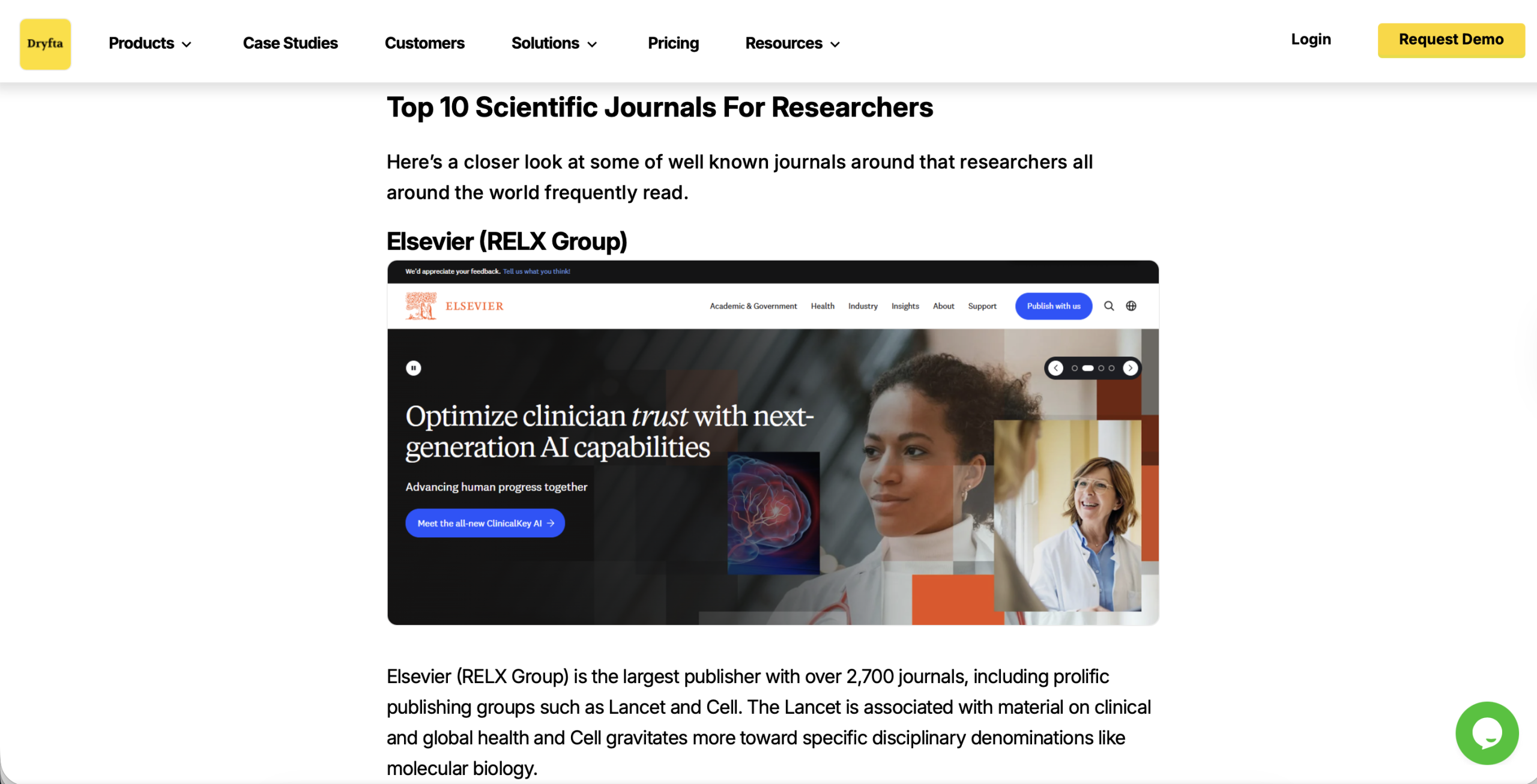
Confused about which journal to submit your research to and overwhelmed by all of the different publishing choices? Uncertain if the right journals will give your work as much visibility? This blog is for you.
It will help you understand how various publishers work and what an impact factor means, so that you can match your research with the right platform. Simply stated, the main purpose here is to provide you with the information needed to make informed choices about the platform for your research.
Here’s what you can expect from this blog:
- Curated lists of some of the world’s top international publications
- An easy-to-understand explanation of the implications of Impact Factor and Reach
- The pros and cons of each of these publications
- Some guidance to help you determine which publication is suitable for your research
2. Top 10 Online Ticketing Platforms for Events with Lowest Fees
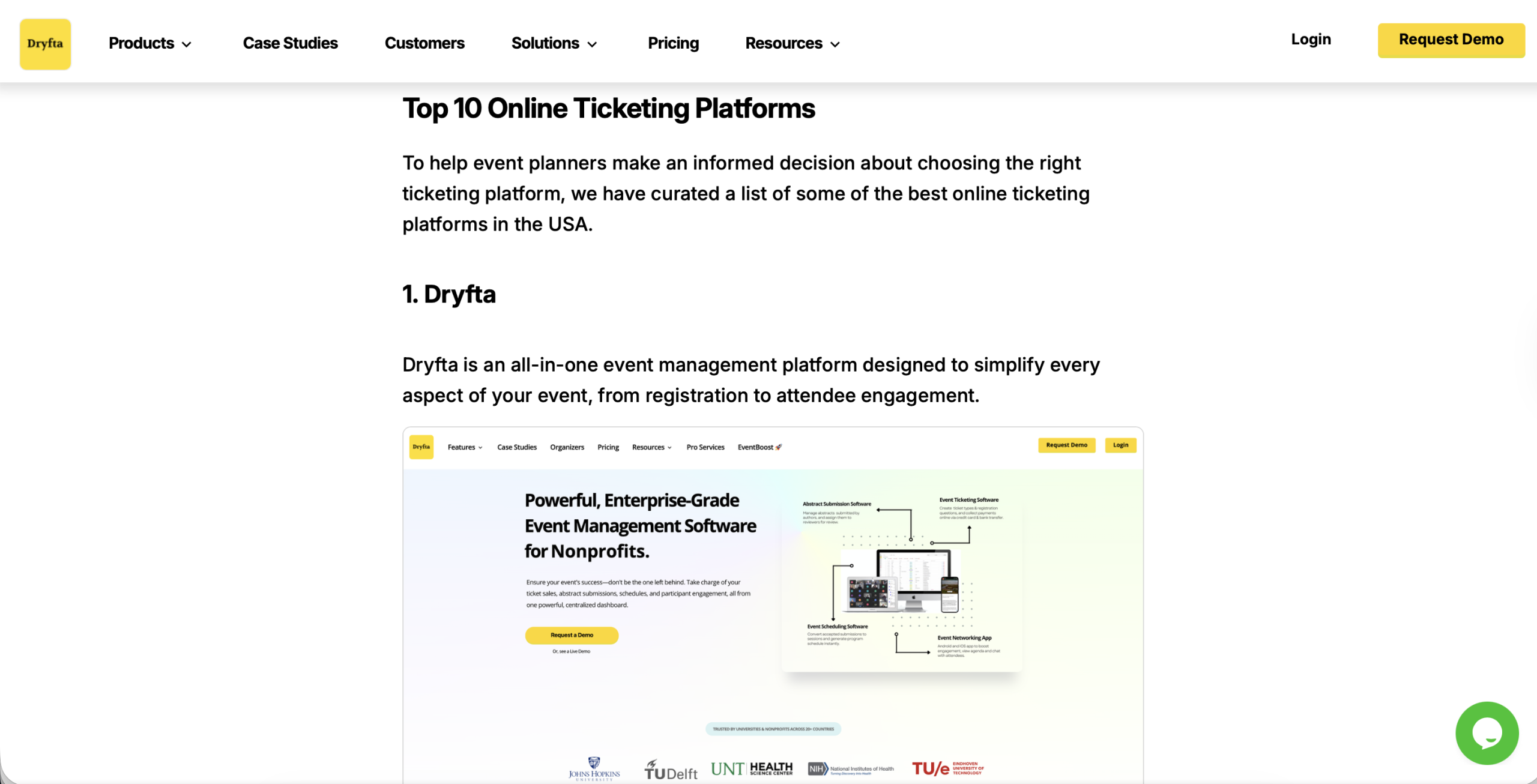
Tired of high ticketing fees cutting into your profits? Or wasting too much time trying to work out which one is the best and is not full of hidden fees? Then, we have some great news!
This blog will walk you through the best low-fee ticketing platforms today and explain exactly how they work. This includes information on pricing models, their key features, and which platforms are ideal for your event type.
Some of the topics covered include:
- Low-cost ticketing tools research
- Pricing models and fee structures explained
- Features that actually matter to organizers
- What matters most when choosing a platform
With evolving trends in the event industry, choosing the right platform can make or break your event. Also, if you follow event planning blogs, you already know how important the right tools are.
3. 10 Tips for Indexing Conference Papers on Google Scholar
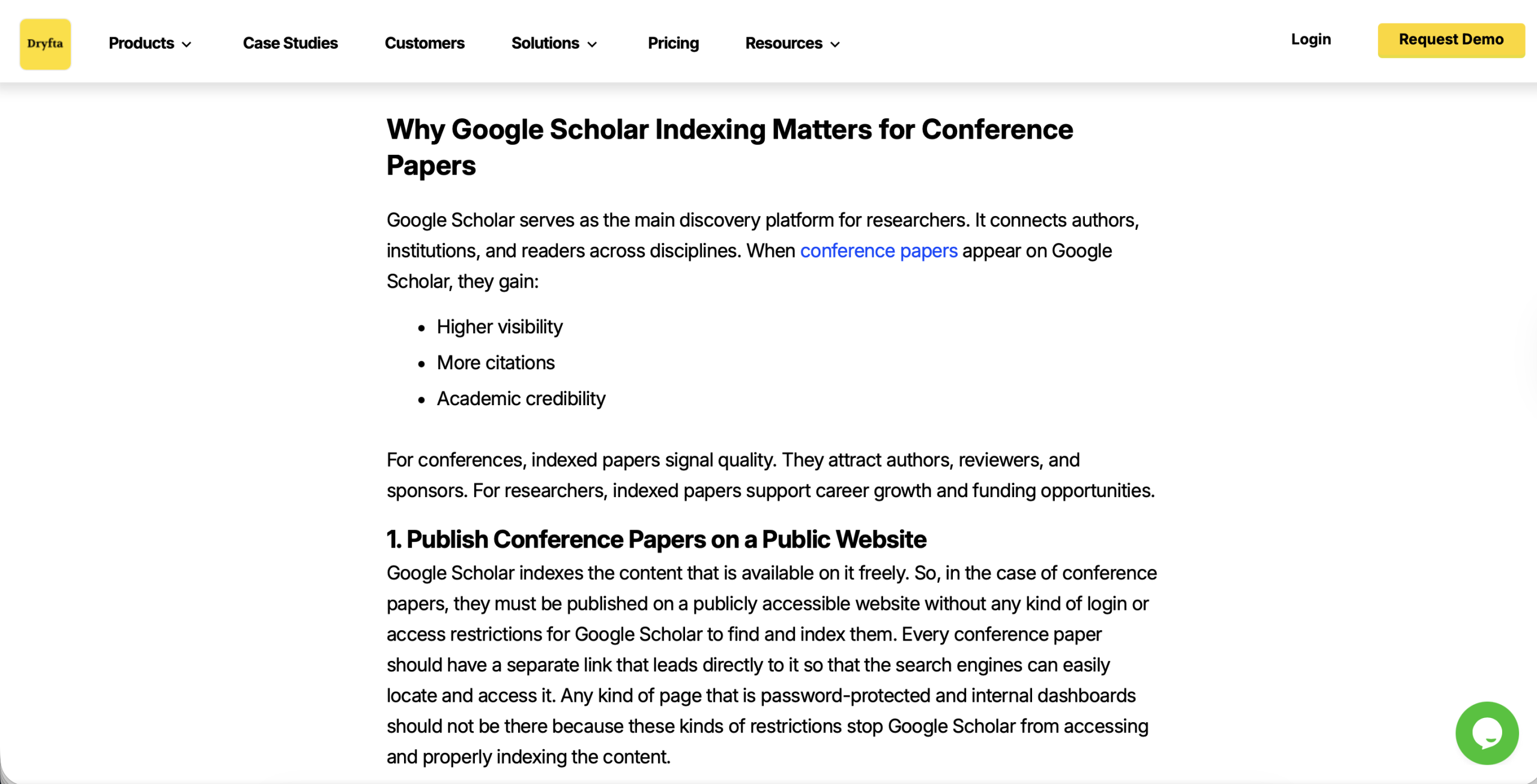
Do you have trouble getting your conference papers noticed by the right people? Are your academic research projects rarely showing up in search results? This article is intended for you.
This guide explains why Google Scholar indexing is important as well as the impact it has on visibility, citations, and credibility of your research. It will also explain how to structure and publish conference papers so that researchers can find and cite them.
What will you get from this blog?
- How to get conference papers indexed on Google Scholar
- Useful tips for boosting citations and exposure
- Pitfalls to avoid when indexing papers
- Easy rules for formatting and metadata
- Best practices for preserving paper accessibility
4. Top 12 Conference Proceedings Platforms for Research Papers
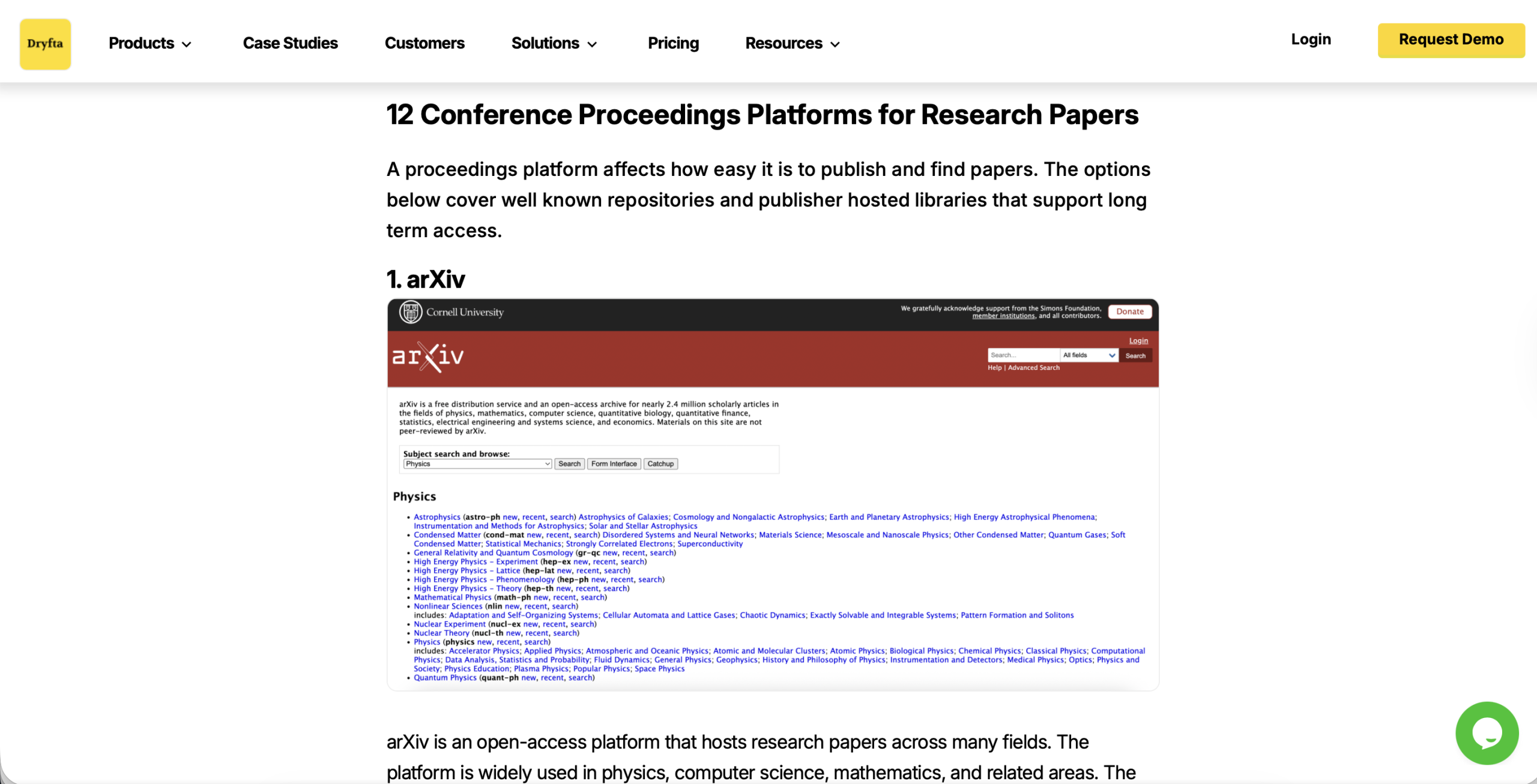
Stumped on where to publish your conference proceedings after the event? Check out this guide.
It explains where and how to publish your proceedings. You will learn what researchers expect from a platform and how the right one enhances visibility, trust, and long-term access.
The blog also lists 12 solid and well-established platforms (from open repository systems to large publishers) that allow you to align your events with an appropriate submission option.
Here’s what you’ll take away:
- Platforms that provide maximum visibility and indexability
- Exactly what researchers expect from a proceedings platform
- The practical differences between open access and publisher-hosted options
- How to ensure that the articles remain accessible for years to come
- A clear understanding of which platform is most suitable for your event
If you regularly follow event management blogs, you already know how important post-event visibility is. Use the blog to your advantage.
5. 12 Platforms Transforming Peer Review and Paper Submissions
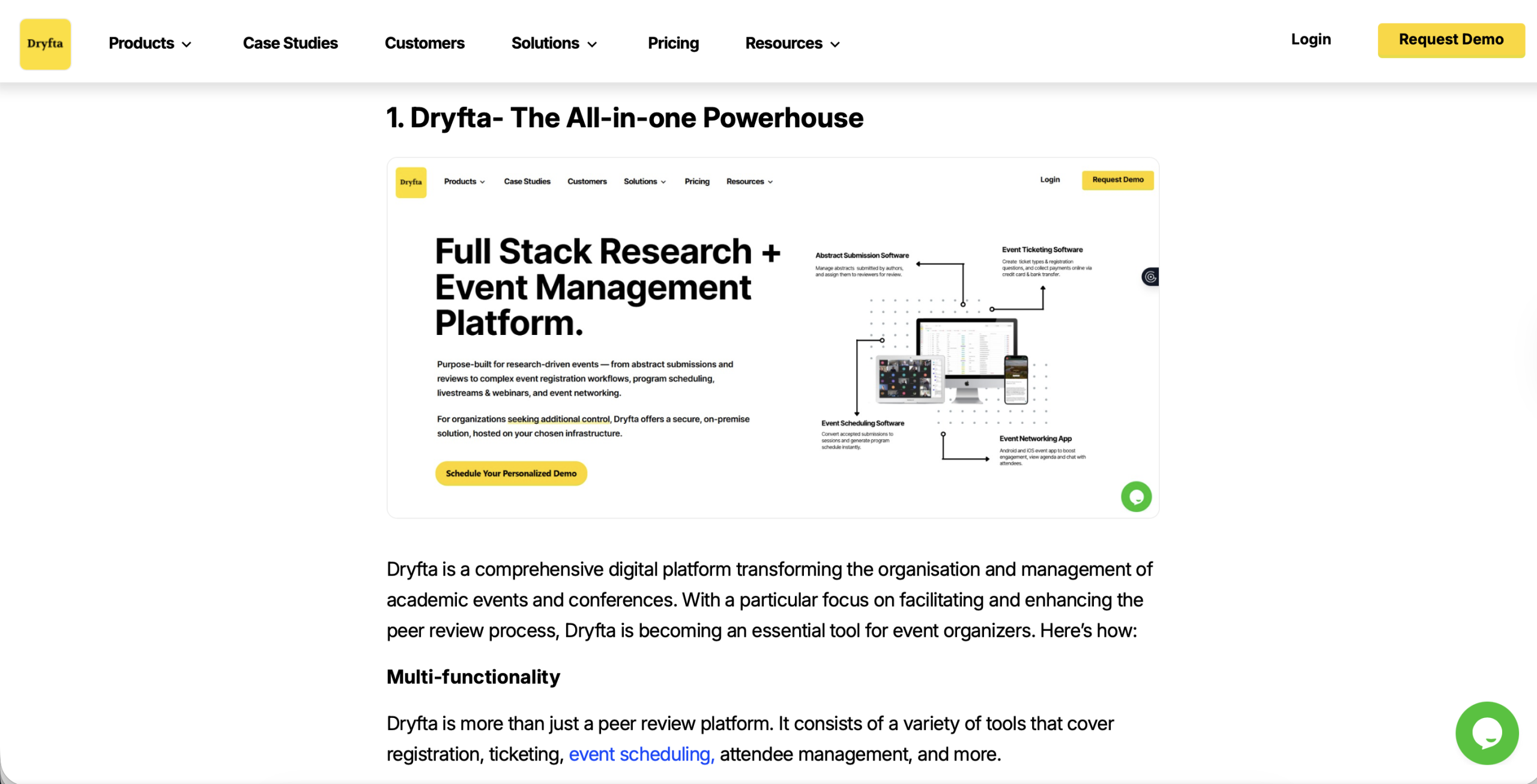
Do abstract submissions, reviewer assignment, and countless email exchanges bog down your workflow? Is your workflow disorganized? Most organizers experience difficulty when they have too many loose ends. This post helps to identify and solve those problems.
This article evaluates 12 platforms that can make peer review easier and structured. The article provides an overview of how each platform manages submissions, reviewer pairing, and communication.
Also, if you follow event planning blogs or track Trends in the event industry, you already know that expectations are higher than ever before. Structured workflows and fast decision-making are no longer options; they’re requirements.
Here’s what you’ll get:
- More control over submissions and review cycles
- Improved communication among authors, reviewers, and organizers
- Scalable tools for academic and professional events
Unlike other event planning blogs, this one gets right to what works.
6. Top 10 Microsoft Excel Alternatives {2026}
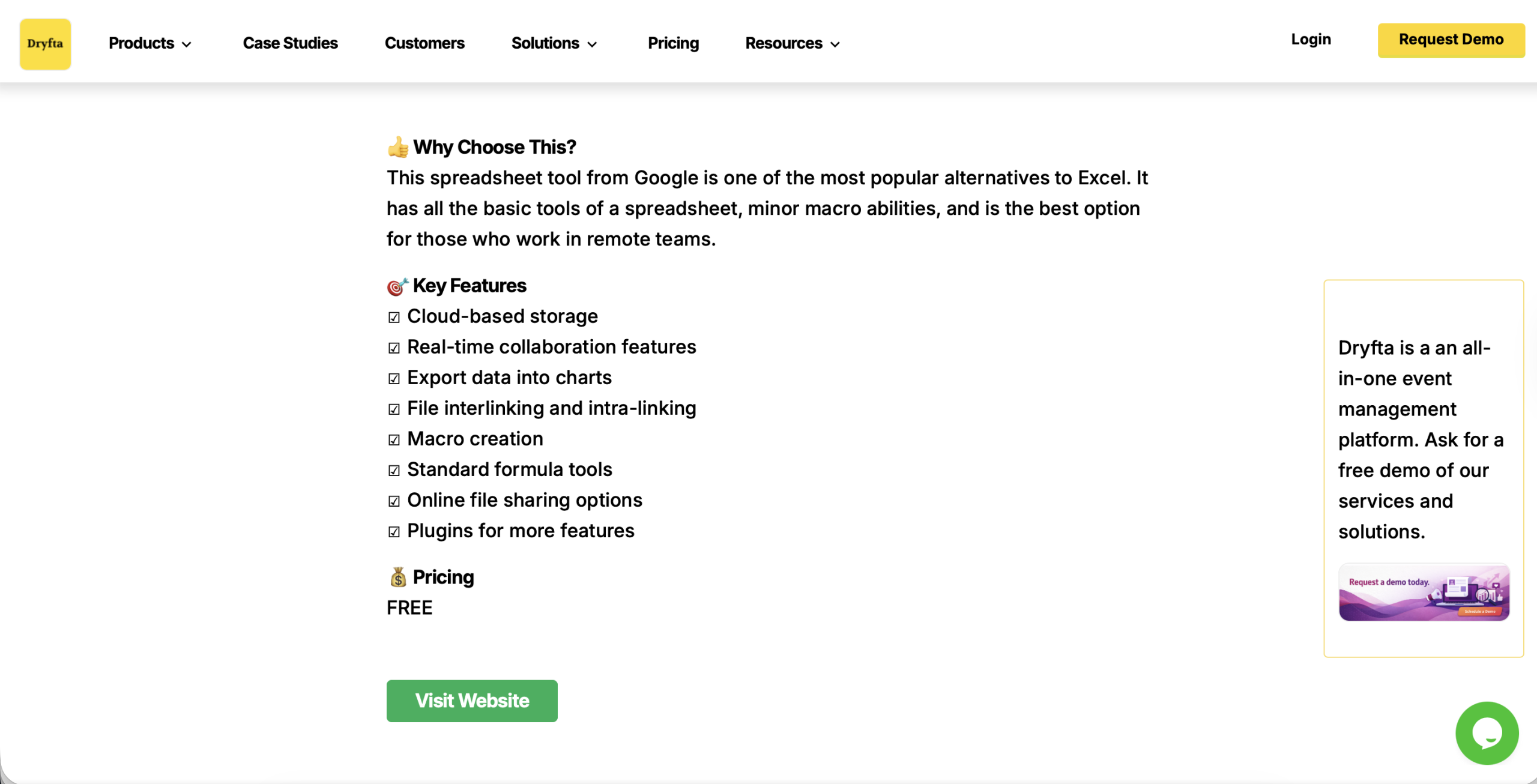
Looking for an affordable alternative to your current spreadsheet solution? We’ve all been there at some point or another. When Excel becomes too much to handle just for the day-to-day use of your spreadsheet needs, then it’s time to explore other options.
Fortunately, in our blog post, we walk you step-by-step through many free and low-cost solutions that are great alternatives to Microsoft Excel for simple data manipulation and collaborative efforts within your organization. If you follow event planning blogs, you already know tools like these help streamline workflows without adding extra costs.
Here’s what you’ll find:
- Free and paid alternatives to Excel
- Software for individuals and teams
- Cloud and offline capabilities
- Essential features at affordable prices
7. Top 10 Academic Event Platforms for Easy Speaker and Session Management
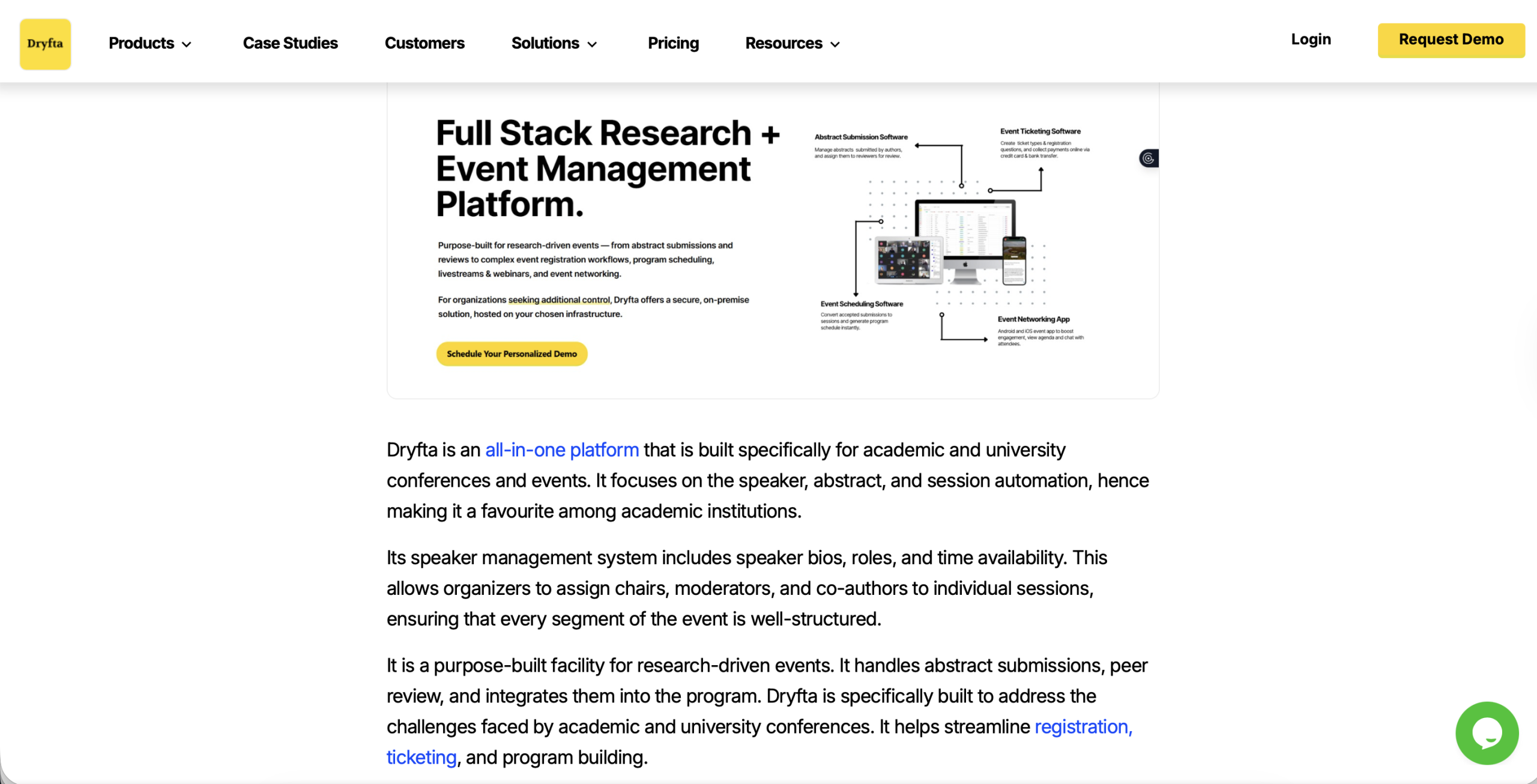
Having trouble keeping track of speakers, sessions and ever-changing schedules? This often means your process is not streamlined. Luckily, this blog will show you tools to streamline communication and keep things on track.
What will you learn?
- New methods to plan and organize your speakers and sessions
- New technology that reduces manual coordination
- How to see all your schedules at once
- How each person fits into your event plan
The Bottom Line
Planning successful events requires much more than just experience. To stay current with the latest trends in event marketing, you must continue learning and staying aware of what is happening now. The right blogs will provide ideas you can apply to your own work. From using AI to enhance the attendee experience to improving logistics through sustainability, successful insights create better events. Following great voices in this industry will allow you to stay ahead of what is coming and never fall behind again.
Make it a habit to read, test, and adapt. That is how events stay relevant and engaging.
At Dryfta, our blog content focuses on executing plans. We take real workflows and break them into steps so that you may plan faster and smarter. If you would like to see it in action, schedule a free demo and check it out for yourself.
FAQs
- How do event planning blogs help improve event strategy and execution?
Event planning blogs provide actionable guidance by dissecting workflows, tools and common mistakes of event planners. Rather than general tips, they explain how to handle budgets, schedules, and attendee satisfaction. Event planning blogs also offer case studies that guide teams in strategizing and executing.
- Where can I find the best event planning blogs that actually work?
The best event planning blogs usually come from platforms that actively work with organizers or publish real case studies. Look for blogs that focus on practical execution. Avoid overly generic content and focus on measurable outcomes and tools that can be applied directly to real events.
- How do event planning blogs reflect emerging trends in the event industry?
Event planning blogs act as a window into current practices and evolving expectations. They highlight changes in attendee behavior, technology adoption, and hybrid event formats. Many blogs analyze what is working now and what is outdated. It helps organizers stay updated with trends in the event industry and adapt faster.
- What kind of event planning blog ideas attract more engagement?
Event planning blog ideas that focus on real-time problems tend to perform better. Topics like budgeting, attendee engagement, and platform comparisons attract attention because they solve immediate needs. Strong event planning blog ideas also include examples, breakdowns, and clear takeaways. Readers engage more with content that feels practical and relatable.
