The world of academic peer review and abstract submissions can sometimes be overwhelming. Fortunately, a number of websites have been developed that assist with these processes and help researchers and scholars communicate their work more easily. The right platform will transform your experience, making navigation a breeze and the whole process easy.
Peer review and submission of abstracts are the basis of any academic event. A peer review management system is vital for the successful handling of a conference or academic meeting.
What Is Peer Review Software?
Academic publishing is more than just collecting manuscripts and calling it a day. Authors, reviewers, editors, and conference organizers must coordinate their efforts throughout the review process. This is where peer-review software comes in. Peer-review software helps organizations manage reviews and track decision-making.
Let’s take a look at the review workflow step by step.
- Paper submission management marks the first stage of the workflow. It gives authors a dedicated space to submit manuscripts and supporting files.
- After submitting papers, the reviewer assignment connects submissions with experts whose backgrounds align with the topic.
- To support fair evaluations, the system uses blind-review workflows that keep authors’ identities hidden throughout the review process, thereby eliminating unconscious bias during grading.
- Author communication tools automatically notify researchers of the next steps throughout the review process.
- Decision management tools provide an easy-to-understand display of reviewer feedback for the organizer to accept, reject or request revisions.
- Lastly, peer review software features reporting and analytics that monitor essential metrics like review completion rates, response times, acceptance distributions, reviewer participation, and decision turnaround times.
Conference Peer Review Software vs Journal Peer Review Software
Let’s clear up a common misconception. Not all peer review software is built exactly the same way. A platform designed for academic journals has very different requirements from one built for conference submissions. If the wrong one is used, it can cause undue complications and make the review process more difficult to manage.
Conference Workflows
Conferences have a time limit. All the things are geared towards one key date: the event itself. Since thousands of people are actively booking flights and hotel accommodations, your team must have software that makes the abstract review process easier so the program can be finalized on time.
- Abstract submission: Authors upload short research summaries or early-stage abstracts to see if their topic fits the event themes before submitting full papers.
- Session allocation: Organizers must allocate a submission to the main stage or breakout sessions in the afternoon immediately after the submission passes the test.
- Program creation: Organizers can create a multi-track conference program once papers are accepted. This way, the participants can see who is talking, when and where.
Journal Workflows
Journal publishing is much slower. There is no conference date driving every decision or event schedule to finalize. Rather, the emphasis remains on comprehensive editorial reviews and several revisions.
- Manuscript tracking: Journal platforms are built to handle entire research papers as they go through several rounds of reviewing and editing, and possibly years of resubmissions and revisions.
- Editorial review: Version-control software is used by editors to record changes, line by line, and to deal with heavy plagiarism.
- Publication management: Papers are assigned official digital object identifiers (DOIs) and prepared for publication in specific journal volumes.
Which Organizations Need Each Type?
If you are hosting large-scale academic conferences or industry summits, you’ll require software designed specifically for conference workflows. The best platform will combine peer review, registration, scheduling, mobile apps and attendee management within one platform. After all, you are planning a live event with fixed dates and actual people attending.
Think about the other situation.
A platform that focuses on journals is more appropriate if you are intending to publish research, not hold an event. The focus is on editorial oversight, tracking revisions, working with reviewers and keeping a permanent record of published material.
How to Choose Peer Review Software?
With so many peer review software options available, it is easy to get confused by long feature lists. The key is finding a platform that reduces manual work and makes life easier for your team.
Here are the essential features worth looking for before making a decision:
- Submission Volume: Make sure the platform can comfortably handle the number of submissions you expect. As deadlines approach, hundreds of authors may upload their papers at the same time. Choose a platform that can manage heavy traffic and large file uploads without performance issues.
- Reviewer Management: Managing dozens or even hundreds of reviewers becomes much easier when the platform lets you filter and group experts according to their fields of study and research backgrounds.
- Integrations: Your peer review software should integrate with the other tools your team already uses.
- Blind Review Support: Maintaining academic integrity is non-negotiable. Your chosen peer review software should let you hide author names or reviewer identities with a single click to keep the process completely unbiased.
- Collaboration Tools: Conference chairs and editors need to discuss reviewer feedback and resolve conflicts over decisions. Shared discussion features and comment threads make it easier for committees to review feedback and reach final decisions.
- Automation: The right platform can handle routine updates automatically, from reviewer reminders to submission notifications.
- Reporting: You need a dashboard that tracks grading progress in real time, so you can spot late reviews instantly and step in before deadlines pass.
- Scalability: Pick flexible peer review software that can grow alongside your organization. It should feel just as comfortable running a small local workshop as it does coordinating an international symposium.
12 Best Peer Review Software in 2026
The section below features 12 carefully reviewed peer review software you must consider in 2026.
1. Dryfta- The All-in-one Powerhouse
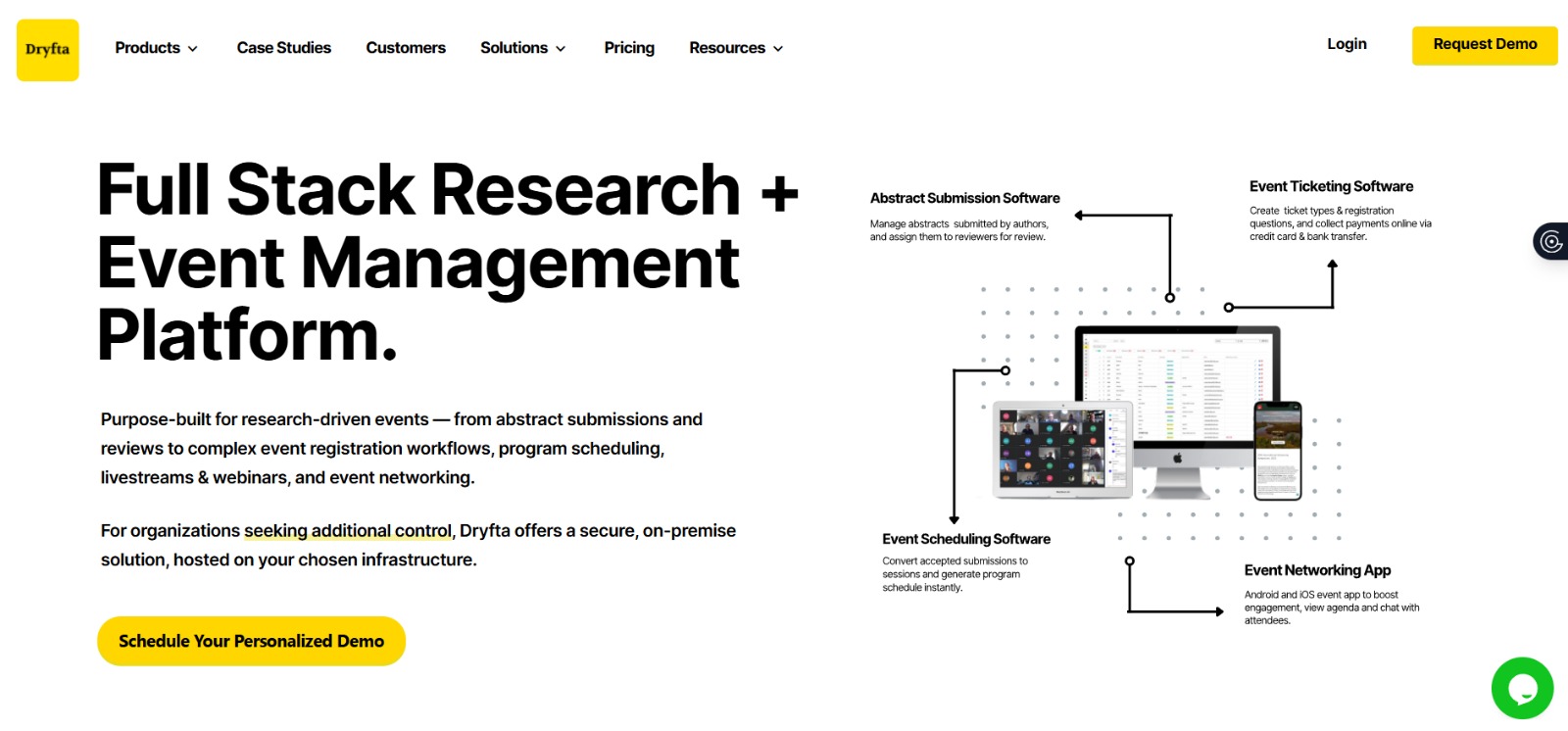
Dryfta is a comprehensive digital platform transforming the organization and management of academic events and conferences. With a particular focus on facilitating and enhancing the peer review process, Dryfta is becoming an essential tool for event organizers. Here’s how:
Multi-functionality
Dryfta is more than just a peer review platform. It consists of a variety of tools that cover registration, ticketing, event scheduling, attendee management, and more.
Abstract Submission
-
- The platform simplifies the submission process, allowing attendees to submit their abstracts through a user-friendly portal.
- Automated reminders and notifications ensure that participants are kept informed about the status of their submissions.
- It offers all these in one unified platform. If that is what you are looking for, then you are at the right place.
2. PeerSubmit- Modern Peer Review Made Effortless

Opting for PeerSubmit is an excellent idea for university conference organizers who want an all-in-one platform.
It helps generate custom submission forms, automated reviewer assignment, real-time dashboards, role-based access, and integrated abstract management software.
The tool is designed specifically for academic events, not just journals. PeerSubmit reduces admin workload, improves reviewer fairness, and helps committees deliver better academic programs.
3. Ex Ordo- Streamlined Submission and Review Workflows
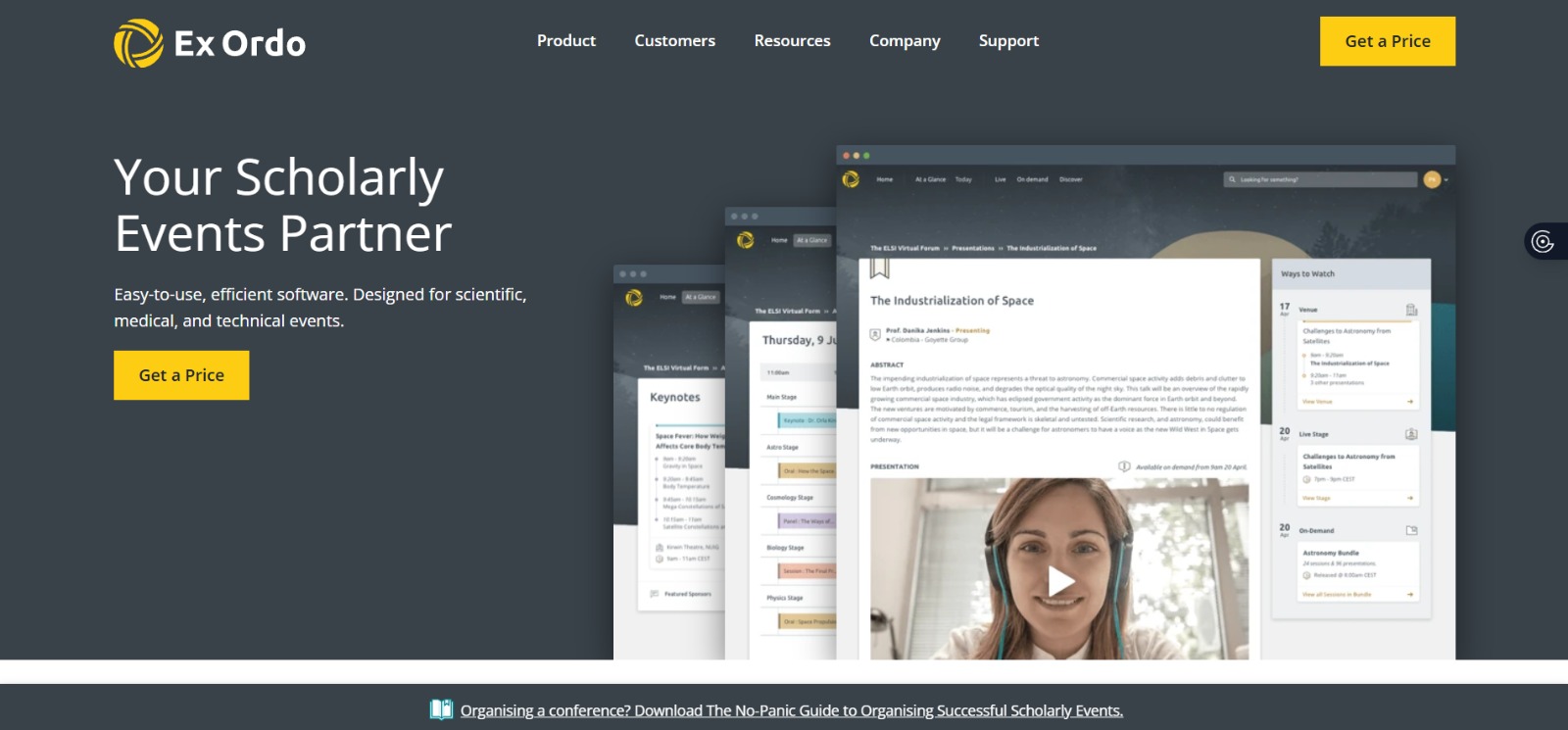
At Ex Ordo, the team consists of former conference organizers and published researchers who understand that each conference has unique requirements for peer review. Ex Ordo’s abstract management software streamlines the process of organizing a research conference. Unlike many other abstract management systems, Ex Ordo has specifically designed its software for academic, scientific, and medical conferences.
4. Microsoft CMT (Conference Management Toolkit): The Trusted Engine Behind Large-Scale Academic Peer Reviews
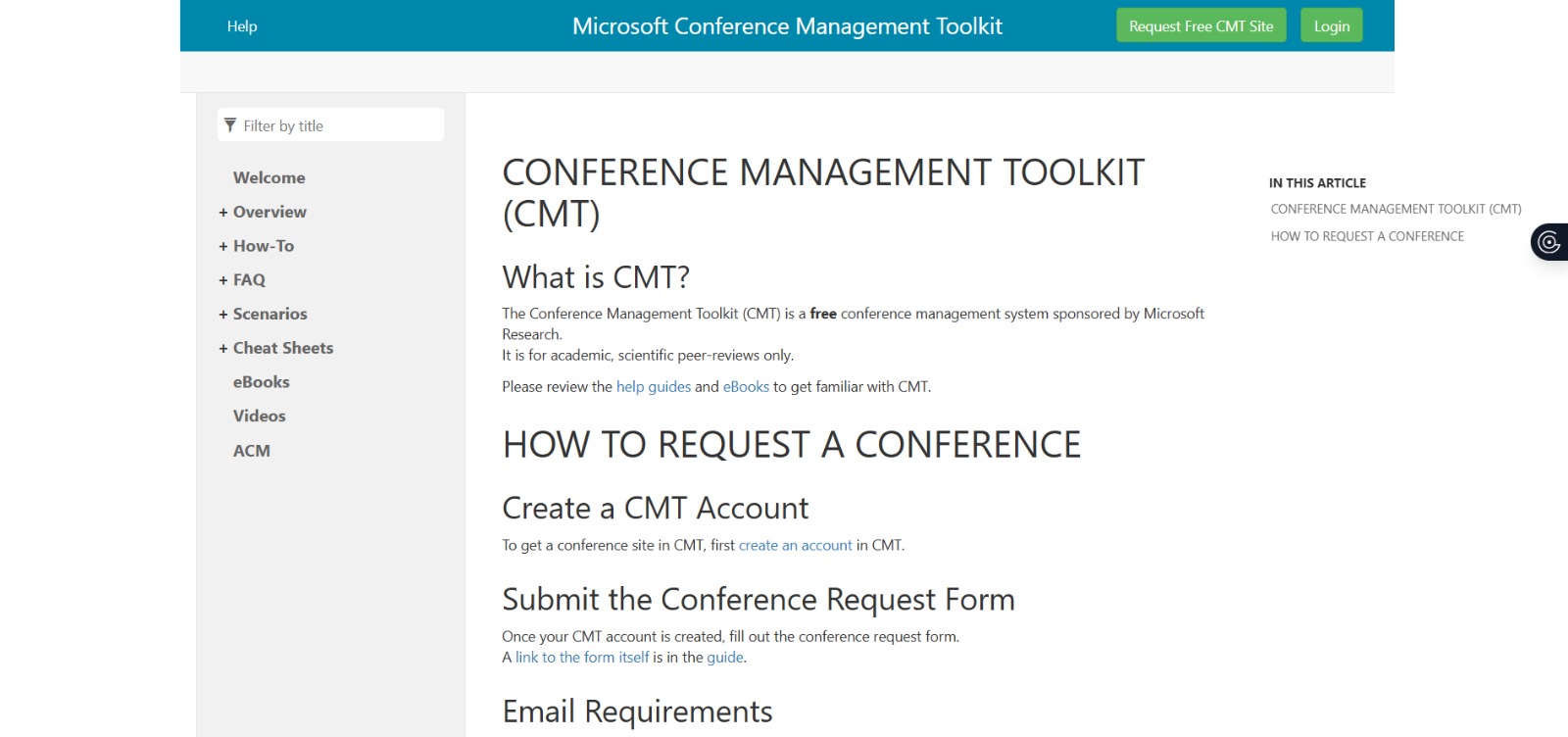
The Conference Management Toolkit (CMT) is a system designed for managing academic conferences, which is sponsored by Microsoft Research. It operates on the Microsoft Azure cloud platform, with data replicated across multiple data centers. CMT is known for being highly scalable, secure, and reliable.
Reviewers are assigned papers and can access them via a “Reviewer Console”, where they can view papers, enter bids, and submit their reviews. Conference chairs can create custom review questions and specify their visibility to authors and reviewers.
5. EasyChair: The Worldwide Favourite for Hassle-Free Paper Submissions
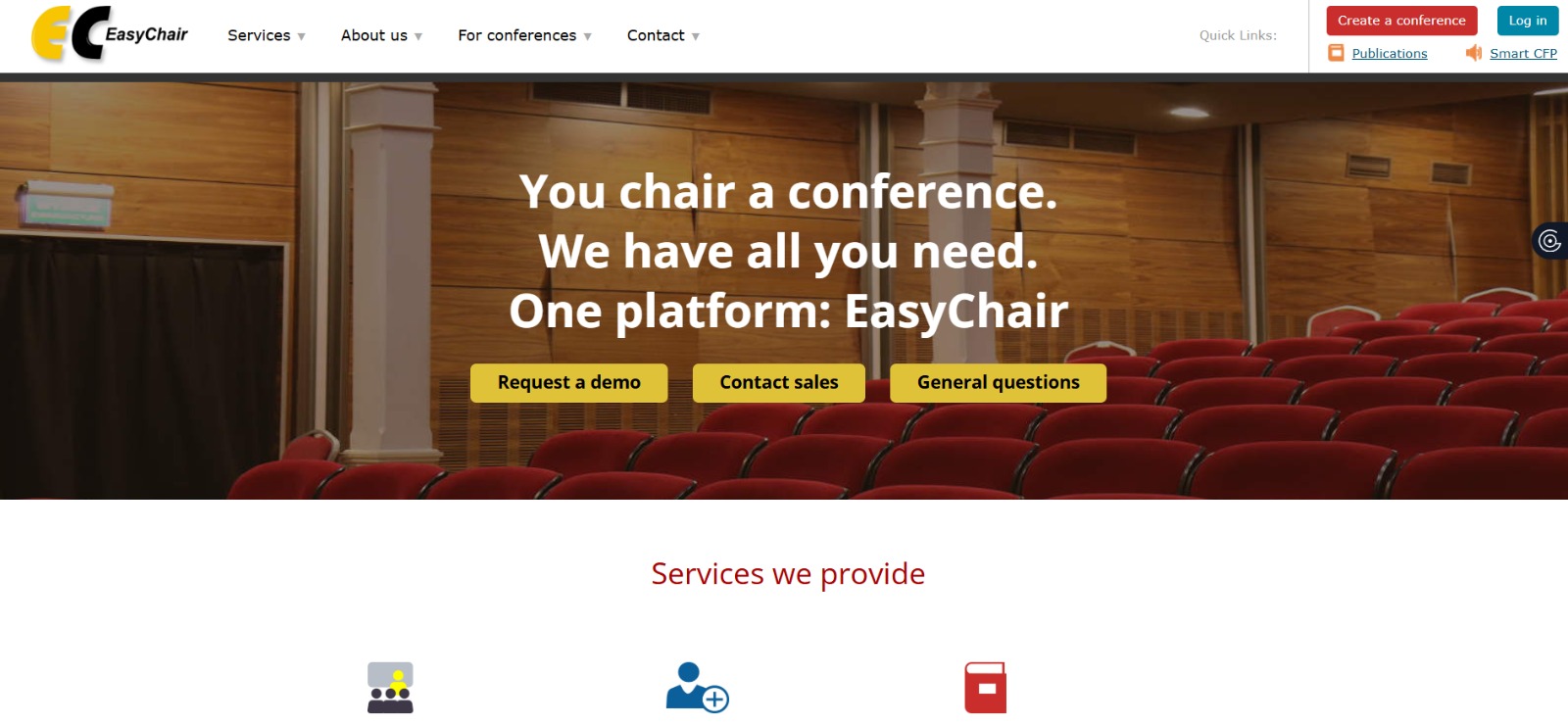
Another conference management system, EasyChair, provides many of the same features as Ex Ordo. It includes a suite of interconnected tools that enable research event organizers to issue a call for papers to their audience through Smart CFP. This is complemented by capabilities for abstract submission, reviewer management, and email communication.
A standout feature of EasyChair is its program editing and publishing software. They offer fast and flexible scientific publishing services that cater to various fields, including computing and health sciences. Thus, EasyChair is ideal for large organizations and associations that want to submit abstracts or conduct peer reviews in addition to managing their research conference content.
6. OpenConf: A Robust and Customizable Platform for Academic Peer Review
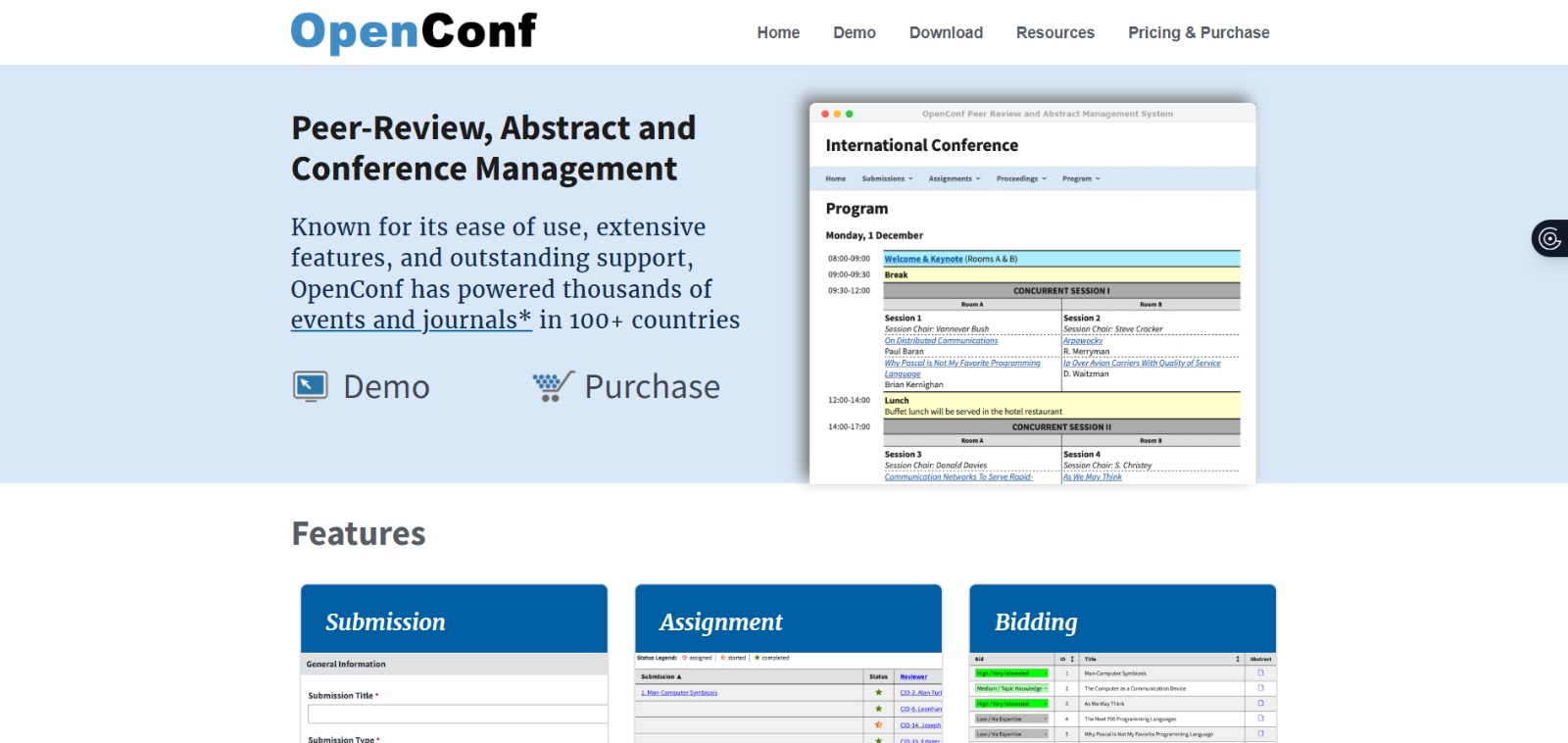
OpenConf offers comprehensive abstract management services, including submission, file uploads, review processes, acceptance notifications, and much more. You even have the option to run the software on your own server or use it from their servers. You’ll be in great company, as OpenConf has been utilized for managing submissions in over 100 countries.
7. ConfTool: Professional Conference Management with Smooth Review Processes
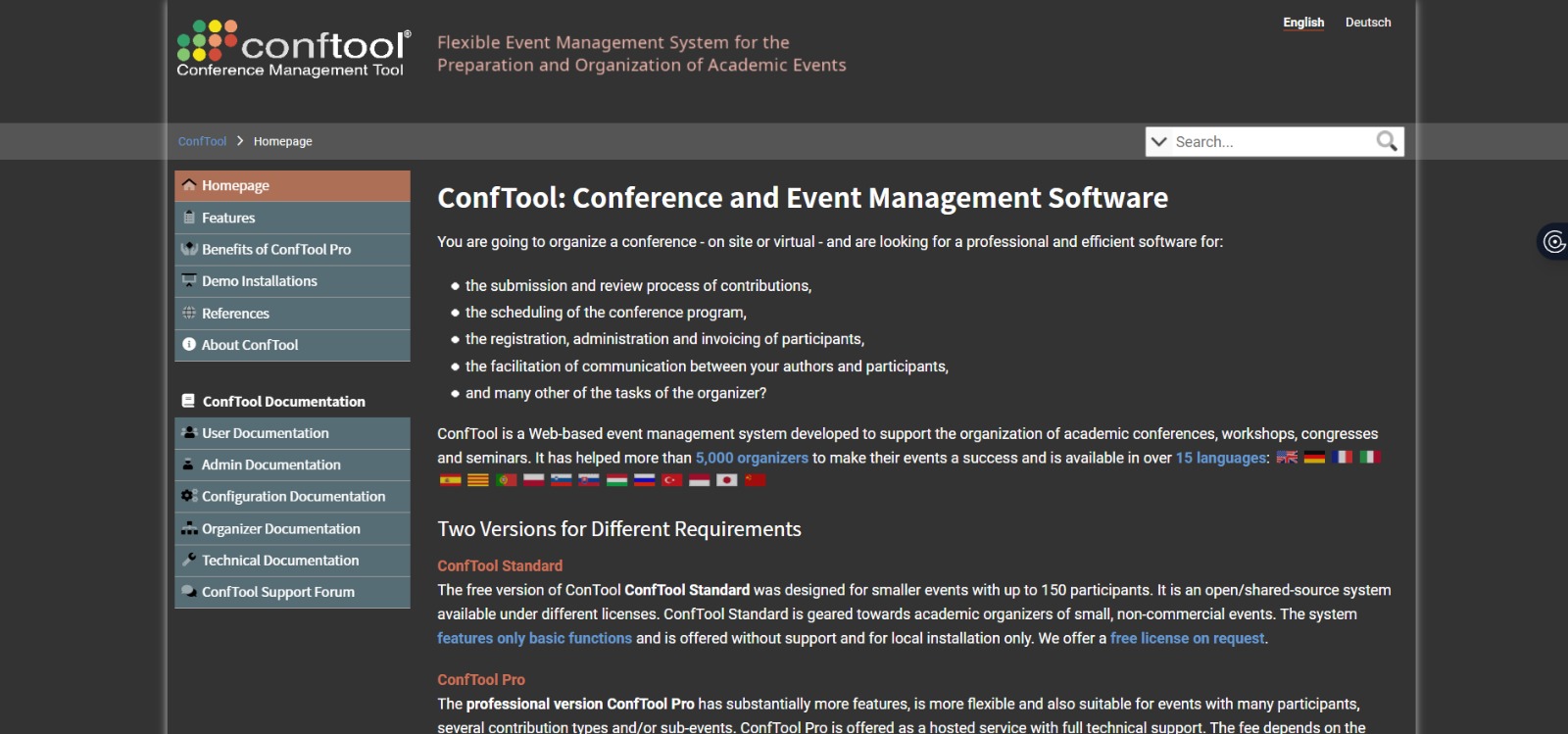
A wide array of features and options is available at ConfTool. Some of these features include:
-
- The tool is easy to navigate
- It offers customizable submission processes
- A seamless online registration process for participants
8. X-CD: Powerful Abstract Management and Peer Review for Scientific Events
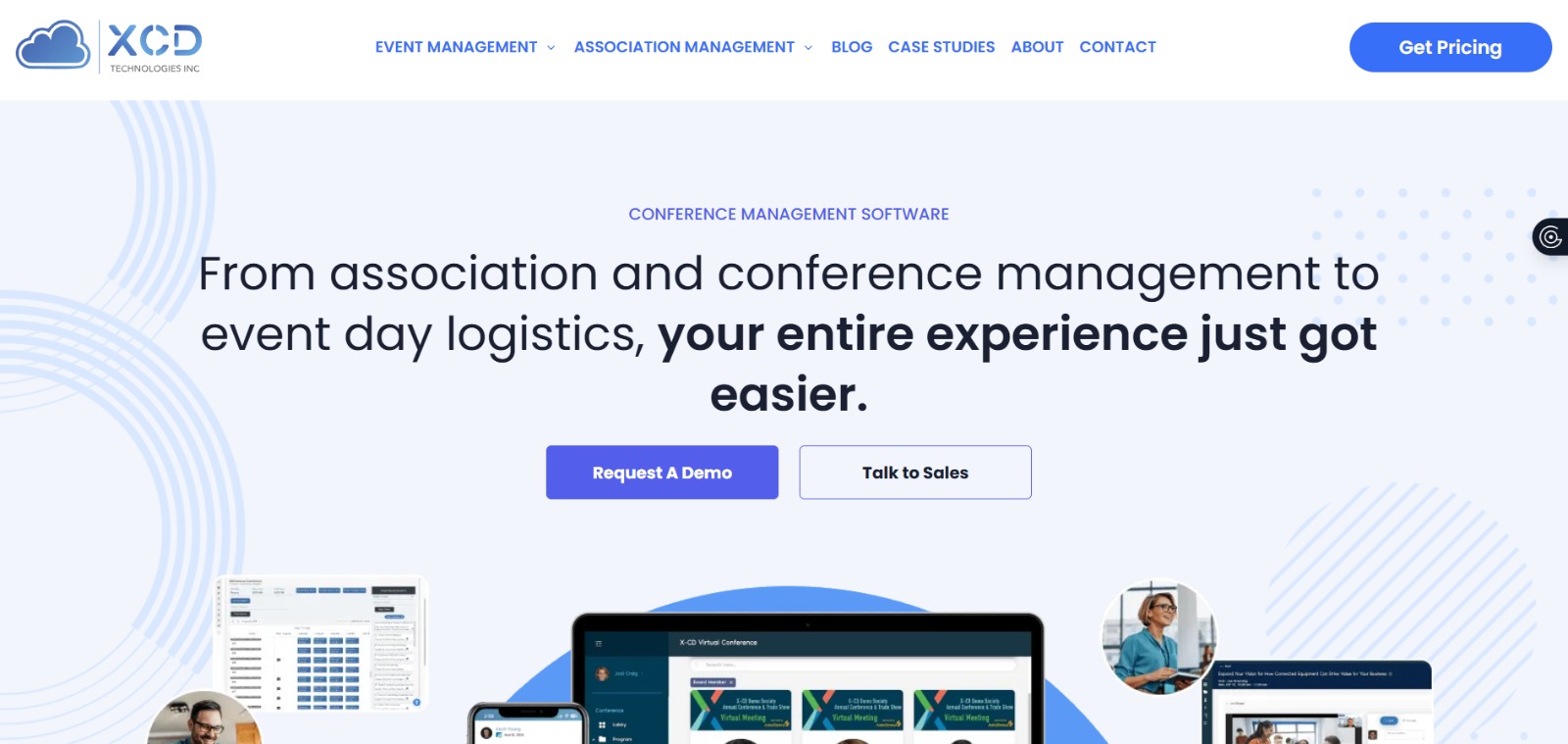
With reviewer sign-up forms, handpicked reviewers can select their topic preferences, ensuring that they only receive abstracts that they are willing and able to review.
There’s no need to spend hours assigning thousands of peer reviews one by one. This peer review module automates the process, ensuring efficient distribution of reviews to the right reviewers and that minimum review assignment thresholds are met.
9. PROCONF: A Smart Solution for Managing Academic Papers and Reviews
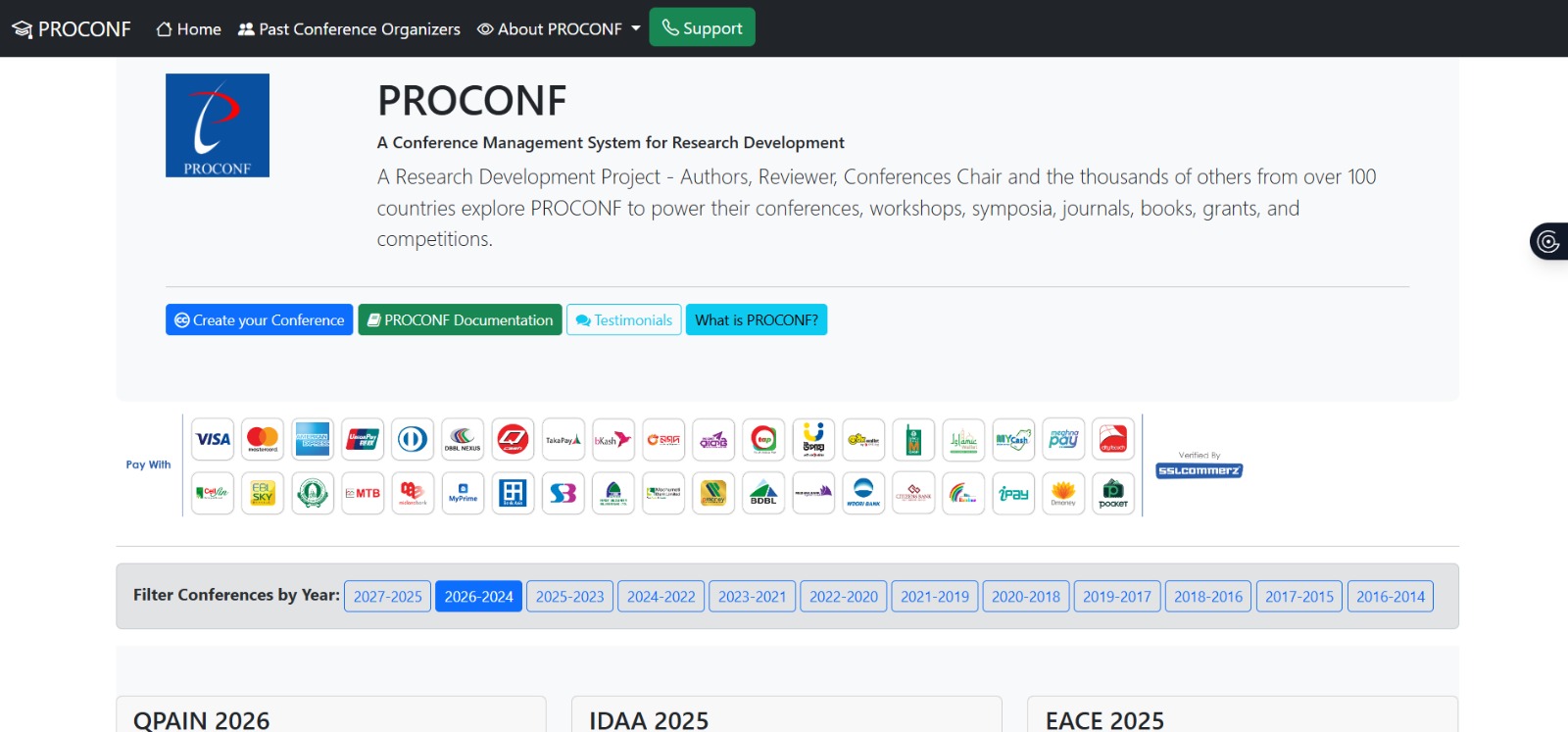
PROCONF is a dedicated web-based abstract management and peer-review system used by conferences, symposia, and journals in over 100 countries. The system is designed to streamline the entire process of paper submission, review, and publication, both for organizers and authors.
Enables organizers to configure various review types, such as single-blind or double-blind, and to assign submissions manually or automatically to reviewers based on topic or expertise.
10. COMS: End-To-End Abstract Submission and Review Management for Conferences
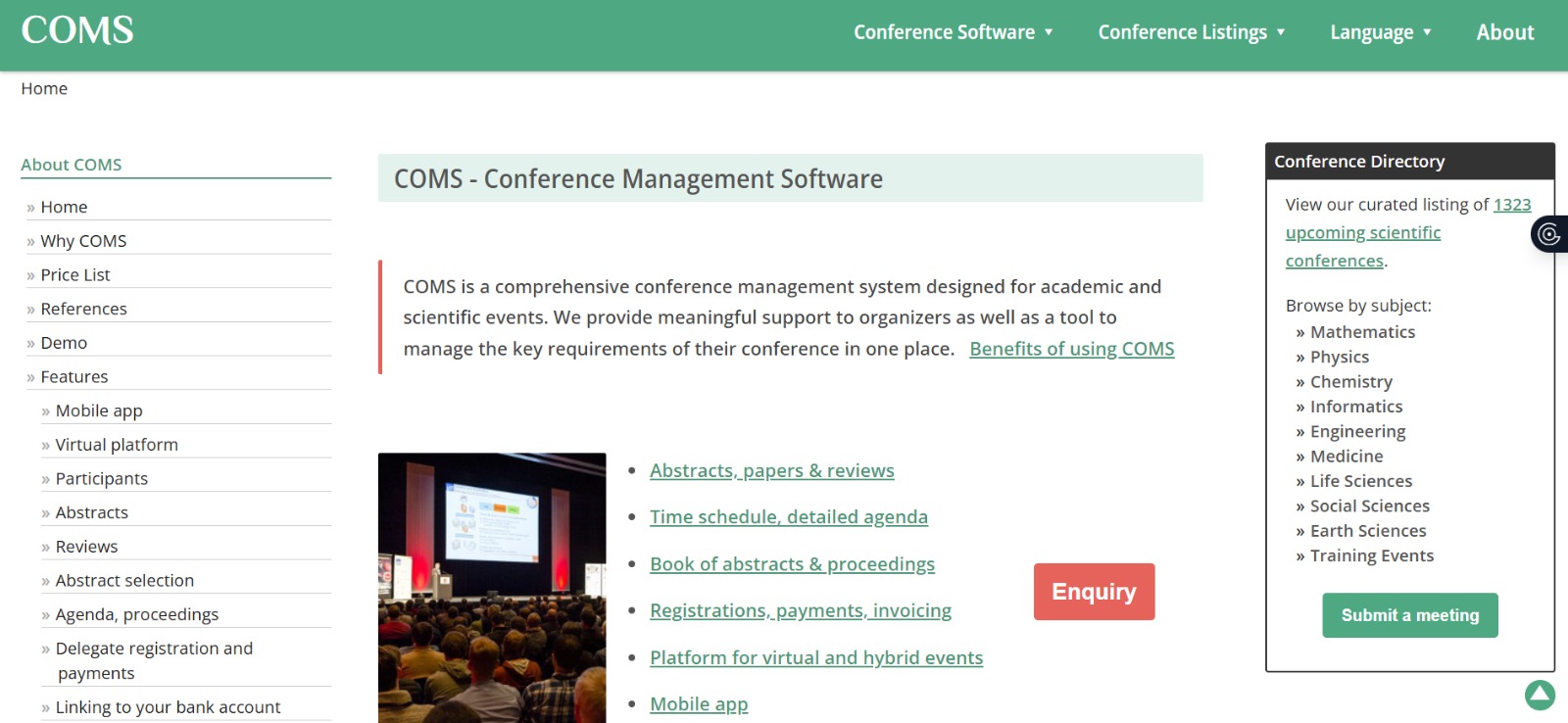
COMS is a specialized software platform for end-to-end conference management. The system integrates robust functionality for peer review and paper submission into an intuitive, smooth process at both the author’s and organizer’s ends.
Researchers can submit abstracts, extended abstracts, and full research papers through a secure online portal. Organizers can customize submission forms, control acceptable file formats, and allow authors to edit submissions up until the deadline.
COMS supports various review types, including blind and open peer review. Event teams can configure up to nine numerical criteria for their evaluation, and textual feedback can be collected as well.
11. CyberChair: Fast and Effective Peer Review for Research Committees
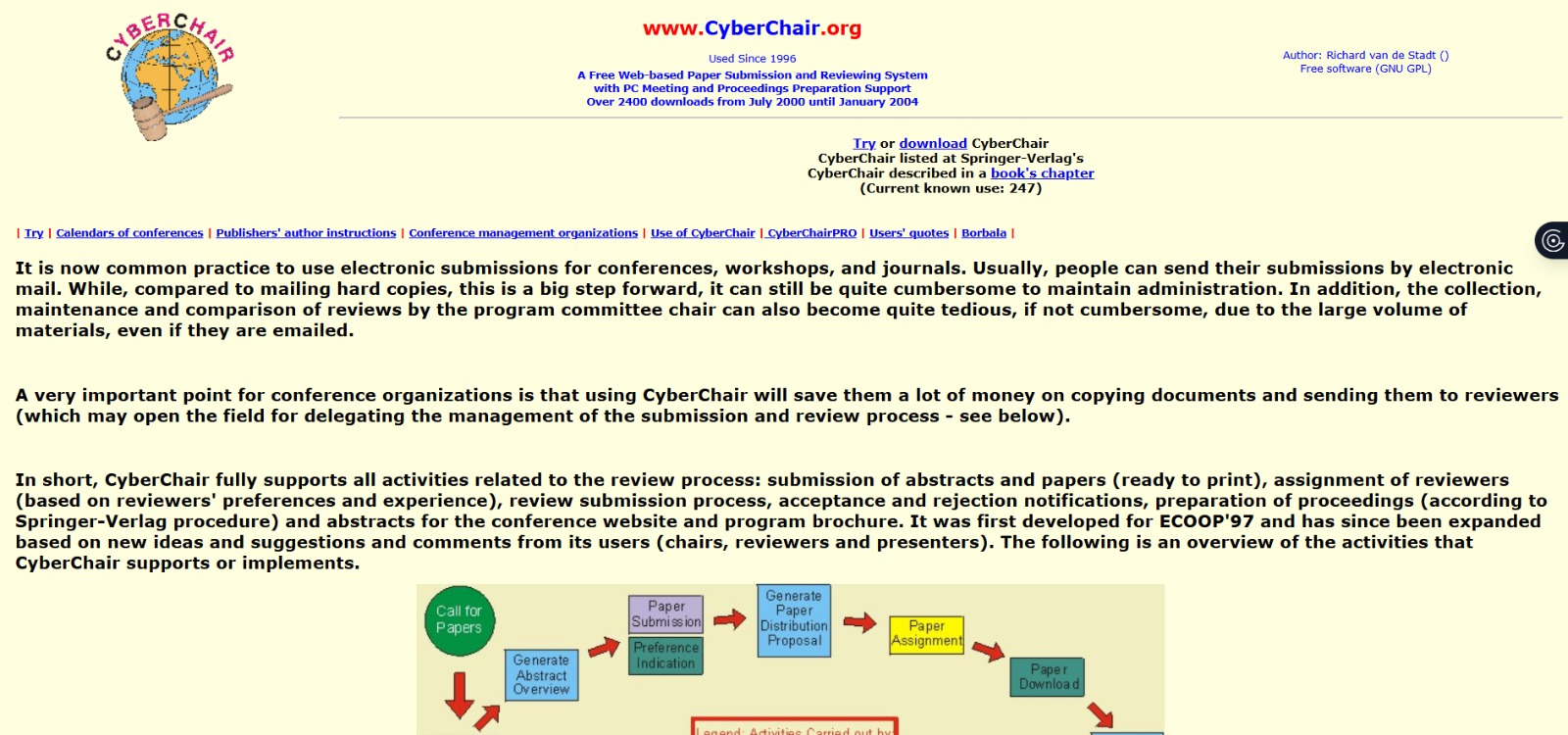
CyberChair is there for you to make the review process as smooth as possible, be it abstract or ready-to-print paper submission, reviewer assignment, or review submission management. The system handles acceptance and rejection notifications with ease, ensuring everything works as smoothly as possible for all parties involved.
Also, it takes care of the proceedings and abstracts for the conference website and program booklet, so that you may focus on what’s really important: producing great content.
CyberChair has continuously improved its features by incorporating new ideas and constructive suggestions from its active user community.
12. Leconfe: The Open-Source Platform Bringing Flexibility to Academic Peer Review
Leconfe is a reliable conference platform for both academic and professional needs. It is built with the academic ecosystem in mind, but equally suitable for professional events.
Authors can submit their papers online, and reviewers can provide feedback through a user-friendly interface. This ensures a transparent and efficient academic process.
Leconfe allows organizers to publish conference proceedings directly, ensuring wider visibility and long-term archiving for academic recognition.
Best Peer Review Software Compared
| Platform | Best For | Blind Review | Abstracts | Conferences | Journals |
|---|---|---|---|---|---|
| Dryfta | All-in-one academic conference management | Single, Double, Triple, Open | ✅ | ✅ | ❌ |
| PeerSubmit | Academic conferences and symposiums | Double | ✅ | ✅ | ✅ |
| Ex Ordo | Academic, scientific & medical conferences | Single, Double | ✅ | ✅ | ❌ |
| Microsoft CMT | Large-scale research conferences | Single, Double | ✅ | ✅ | ❌ |
| EasyChair | Research conferences and associations | Single, Double | ✅ | ✅ | ✅ |
| OpenConf | Customizable conference review workflows | Single, Double | ✅ | ✅ | ✅ |
| ConfTool | Professional conference management | Single, Double | ✅ | ✅ | ❌ |
| X-CD | Scientific and medical events | Single, Double | ✅ | ✅ | ✅ |
| PROCONF | Conferences, symposia & journals | Single, Double | ✅ | ✅ | ✅ |
| COMS | End-to-end conference management | Blind & Open | ✅ | ✅ | ✅ |
| CyberChair | Research committee reviews | Single, Double | ✅ | ✅ | ✅ |
| Leconfe | Open-source academic events | Double | ✅ | ✅ | ❌ |
Common Challenges in Peer Review and Paper Submission
Between tight deadlines and constant communication with authors and reviewers, things can become difficult to manage. Without the right tools, even a well-planned event can crumble. Let’s look at some of the most common challenges conference organizers face and how the right technology can help solve them.
- Reviewer fatigue is no joke when you accidentally overload the same few popular professors with too many papers, causing them to completely burn out and check out.
- Submission tracking is so much harder when revisions arrive through different emails. Before long, your team is trying to figure out which version is current and which one should be reviewed.
- Late reviews can stall your calendar. That means your staff is forced to waste hours manually following up with reviewers who might’ve forgotten their deadlines.
- Reviewer bias can ruin your event’s reputation if your system lacks modern peer review software to hide author names and institutional logos with one click.
- Large submission volumes can put pressure on systems during peak submission periods. As deadlines approach and hundreds of authors upload papers at once, platforms that are not built for scale may struggle to keep up.
- Communication delays can frustrate authors and add extra work for your team. Authors may be left waiting for information while organizers spend valuable time managing routine communications.
What Academic Conferences Need From Peer Review Software?
Running a research conference is very different from managing a journal. Journal editors can spend months reviewing a single manuscript, but conference organizers are working toward a fixed deadline. That is why conference teams need more than a basic submission portal. The right peer review software should help keep reviews moving and support the entire conference workflow from submission to presentation.
Guess what? Thankfully, many of these issues can be addressed through the right technology. Modern peer review software helps automate routine tasks and keep submissions and reviews organized.
Here are the features to look for the most when evaluating a platform:
- Abstract Submission: Your platform must let authors submit early summaries. It needs to categorize entries by topic automatically so your team doesn’t have to sort through thousands of text files by hand.
- Paper Submission: Once abstracts are approved, the platform must handle full-length drafts and track version updates.
- Multi-Track Reviews: Research events are rarely single-track. Your chosen peer review software needs to split submissions across different fields of study so that separate committees can manage their own grading.
- Reviewer Assignment: The software should feature smart filtering to match complex papers with the right subject-matter experts.
- Session Planning: Approved submissions need to automatically move from the review process to the event schedule.
- Program Building: Finally, a good peer review software must push accepted research into a public, interactive schedule so attendees can browse the agenda effortlessly.
Why Academic Conferences Choose Dryfta?
Managing an academic conference often means coordinating submissions, reviews, registrations, schedules, and attendee communications simultaneously. When those processes are handled across multiple platforms, it is highly unlikely to dodge errors.
That is one reason many conference organizers look for an all-in-one platform such as Dryfta. With Dryfta in place, you do not have to use separate tools for abstract management and peer review. All you event operations work from a single system designed specifically for academic and research-focused conferences.
Here is a closer look at the features that make Dryfta a popular choice among conference organizers:
1. Abstract and Paper Submission
Dryfta includes a built-in self-service dashboard for authors to submit abstracts, upload papers, add co-author details, and manage revisions and a self-service dashboard for reviewers to access abstracts and submit reviews. Submission rules and category settings help conference teams maintain consistency across all entries.
2. Blind and Double-Blind Review
Protecting the academic integrity of your event is a non-negotiable. Dryfta supports different review models to match the requirements of each conference, including single-blind, double-blind, triple-blind, and open review workflows. With a single toggle inside Dryfta, you can instantly redact author names, institutional affiliations, and metadata from submitted files.
3. Multi-Stage Review Workflows
Academic conferences often require more than a single review round. Dryfta helps manage screening, reviewer evaluations, revision requests, and final decisions through a structured workflow.
4. Reviewer Management
Dryfta lets you tag reviewers by their academic fields and automatically matches them with relevant papers. Best of all, it handles the heavy lifting by sending automated deadline reminders to late reviewers, saving your staff a lot of time.
5. Program Creation
Accepted papers move directly from the review process into Dryfta’s multi-track schedule builder. You can map presentations into physical rooms or virtual streams, and run automated speaker conflict checks.
6. Registration Management
With Dryfta, Organizers can manage different ticket categories, offer group registrations, support multiple currencies, and process payments securely. It automatically ties paid registrations to accepted author profiles.
7. Event Website Builder
Dryfta includes a built-in website builder that helps organizers create branded event websites without relying on external tools. You can publish agendas, speaker profiles, sponsor listings, blogs, photo galleries, registration forms, and event updates from a single platform. The system also supports custom domains, website cloning for future events, online communities, and flexible design controls to match your event branding.
8. Mobile Event App
Dryfta’s event mobile app puts interactive venue maps, personalized schedules, speaker directories, and live Q&A boxes right into the palm of your audience’s hand for effortless navigation.
9. Conference Analytics
Dryfta gives conference teams access to real-time reporting and analytics. You can create custom reports using multiple filters, save frequently used reports, export data, and securely share insights with stakeholders through shareable links.
Simplify Peer Review and Paper Submissions Through the Best Platforms
A user-friendly portal is essential for peer review and abstract submission, streamlining the process and making it easy for authors to submit their work. An efficient peer review system should be secure and adaptable to meet emerging demands set by the academic community.
It also should provide strong tools for communication, transparency, and analytical insight. Keeping these crucial considerations at the front and center of academic conferences and journals will ensure that their publications are of the best quality continually. Investment in such a system is not merely desirable but an imperative one if you want to achieve excellence in academia.
That is why Dryfta provides a set of tools to assist the peer-review process; the quality of the reviews will depend essentially on the reviewers themselves and the criteria organizers set. Check out our free demo, which guides you through the entire process of abstract submission.