


Hosting and executing a premier hybrid event require more than just a standard approach. It demands a detailed, phase-by-phase master hybrid event planning checklist that anticipates challenges and offers a seamless experience for every individual. They have become highly popular due to its ease-of-access, visibility, and broadcasting content. In this guide, we’ve drafted a comprehensive approach that will help the event organizers execute a world-class hybrid event with confidence and precision.
What are Hybrid Events?
Hybrid events are the perfect amalgamation of an in-person event experience with the virtual one. These events are high in demand because people can attend directly from the venue or join remotely without missing the core program. Organizers usually prefer hybrid event management when they want to expand the reach, boost flexibility, and make events easily accessible to audiences who are from different places and time zones.
Attendee engagement hybrid events have become popular due to their support for both face-to-face networking and digital participation in one event. This kind of format helps the event organizers to gain more value from a single program. They get to welcome a larger audience, extend the life of the content through streaming and recordings. They can also create more opportunities for interaction before, during, and even after the conclusion of the event.
Advantages of hybrid events for organizers and attendees
In the hybrid event format, the live audience who attends the venue, while the remote audience who joins via a digital platform gets a different experience of the event. However, both of them usually follow the same agenda. This may include streaming, chat, Q&A, polls, and session access. This kind of flexibility makes hybrid events more useful for academic conferences, training sessions, product launches, workshops, and community programs.
Hybrid event management can be a great asset because it removes the choice between attending an event only in-person or virtually. People who value networking and live energy can choose to attend physically, while people who need convenience or live far away and want to participate fully can enjoy online participation. This makes it more inclusive and often enhances the total attendance. Event organizers can reach more people, irrespective of their geographical locations, who cannot join an in-person-only event.
- A vaster reach that is useful to serve both local and global audiences simultaneously, enhancing the registration potential as well as sponsor visibility.
- Better sponsorship value in the form of digital branding, targeted ads, and on-demand content with more exposure beyond the live day.
- Richer data that is available through digital tools, which is useful to track attendance, attendee engagement, session interest, in-person event planning, and conversions for continuous improvement.
- Revenue diversification can help to widen income streams through ticket tiers (in-person, virtual, on-demand), sponsorship packages, and content monetization.
- Lower risk and resilience help to get more virtual options, which in turn reduces dependency on travelling, venue limitations, and last-minute disruptions.
- Greater accessibility helps the attendees to join in their desired format. This also helps in on-site networking, even for remote attendance, for no cost or any kind of mobility reasons.
- Flexible participation by people from all the ways. They get to mix via live sessions and get access to on-demand recordings. This lets the attendees control timing and pace.
- Higher attendee engagement via live Q&A, chat, polls, surveys, and networking lounges. This keeps online and in-person audiences active and draws their attention.
- Improved ROI for attendees by providing targeted sessions and recorded content. This helps in learning value and allows revisiting the key presentations.
- Sustainable footprint, reduced carbon emissions, and event waste with fewer travelers, optimized venue, and smart consumption of resources.
Common challenges in hybrid event planning
Hybrid event planning becomes difficult when organizers overlook the virtual attendees. Event organizers must have a clear hybrid event planning checklist that prioritizes audiences from both formats right from the inception. They should not feel overlooked, lose interest, or be unable to fully participate. Event organizing teams must handle duplicated hybrid event logistics—timing, moderation, registration, and support.
This ensures a cohesive experience, and speakers should be ready to address both in-person and remote audiences in the same way. This is the time when technology, like a virtual event platform, comes into play. An end-to-end event technology setup makes it dependable, increasing bandwidth with crystal-clear audio and video functionalities. It should also be a simple-to-use platform with proper hybrid event management tools that keep minor issues from getting worse and address them effectively.
- Planning for both formats helps the audiences from the very start so that in-person and virtual experiences feel like one event rather than different.
- Prepare speakers to be ready for dual-audience delivery, understand the platform features, and contingency cues.
- Test and secure robust internet, audio, video, camera setups, and backup streaming paths.
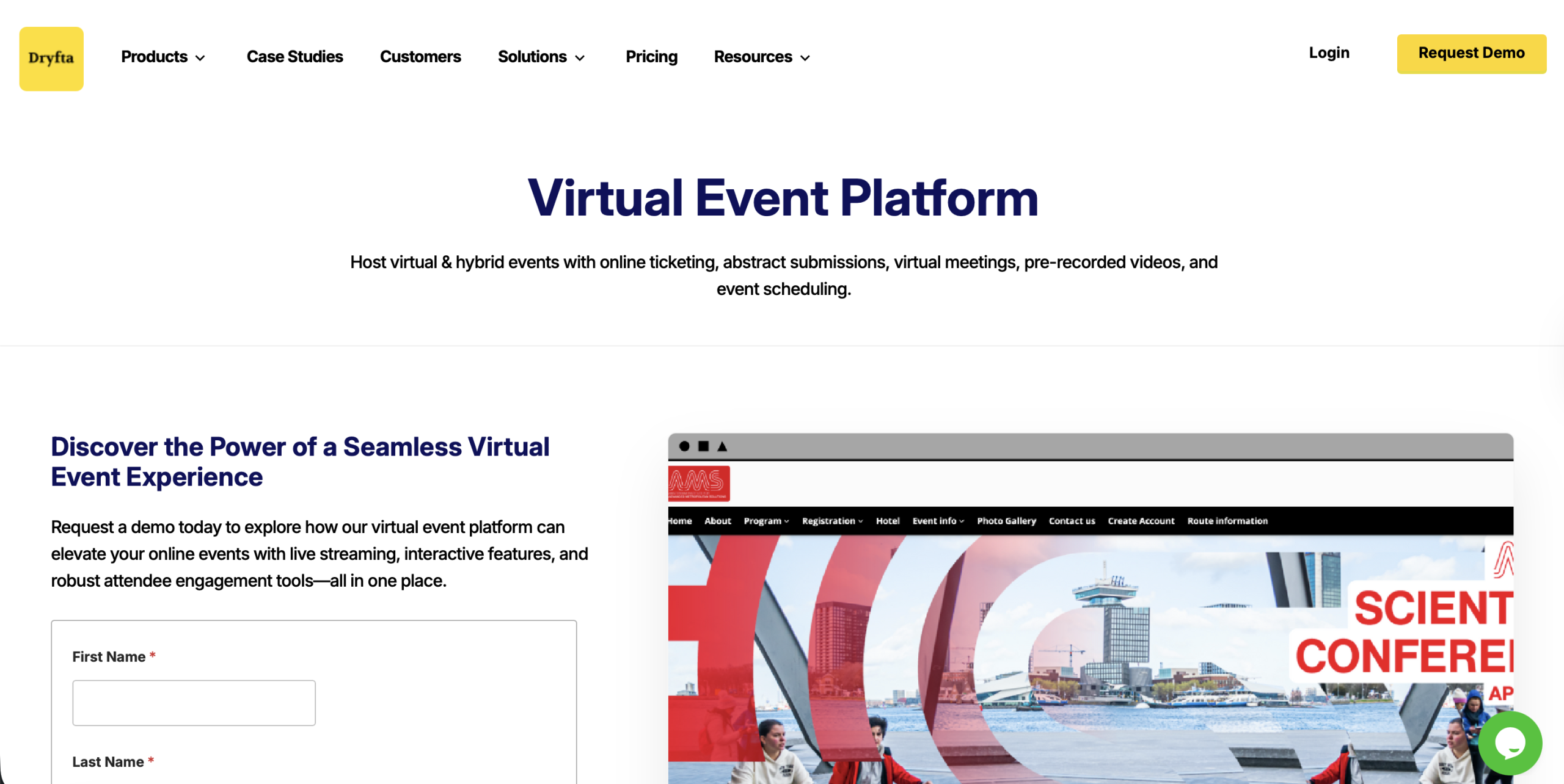
- Choose an integrated platform like Dryfta that supports live sessions, chats, Q&A, polls, upvotes, quick and simple form filling, as well as recordings.
- Staff teams for dual-roles with room AV, virtual moderators, registrations, and real-time event technology setup support.
- Align timing and session formats by planning breaks, networking activities, feedback sessions, and more to include remote participants.
- Create clear communication templates for attendees, exhibitors, and speakers with platform access and troubleshooting steps.
- Follow a strict hybrid event planning checklist that covers all the tests, run-of-show, roles, escalation paths, and post-event data gathering.
- Rehearse complete run-throughs with speaker walkthroughs and moderator handoffs.
- Collect and analyze engagement data from both formats to refine future hybrid event management plans.
Pre-Planning Considerations
Hybrid events truly become great with a rock-solid strategic foundation. This pre-planning phase is where one moves from a vague idea to a clear vision. This phase sets the path and priorities that keep both in-person and virtual audiences well-engaged, help control costs, and reduce operational risk. Getting these basics right makes every subsequent decision more focused and impactful. Start by clarifying what “success” looks like for the audience, then align resources, such as people, tech, and budget. This is useful to meet the goals and set up the trajectory for the entire project.
Goals and objectives
Clearly articulate the main objectives of the event, such as “Why do you want to organize the event in the first place?” Understand the brand promotion, knowledge sharing, networking, or fundraising elements by identifying specific goals. Create measurable goals for in-person and virtual attendees separately and together. Understand why someone should attend in-person versus virtually, and provide both options with their unique and compelling value.
In-person format might prioritize networking results, sponsor exposure, and experiential sessions. Online is often about reach, content consumption, and other metrics. For instance, this could include attendee engagement levels, leads generated, or participant satisfaction ratings. Research well about other hybrid events to benchmark pricing, technology choices, and event communication strategies.
Determine the needs of target attendees
Divide the audience according to their interests, preferences, geographical locations, and availability. You can follow a clear segmentation, such as local attendees wishing to network, remote workers who like flexibility in timings, students or participants in their early careers who are looking for recordings, and sponsors seeking to generate leads, are some examples.
Understand the needs of every segment, which consists of aspects related to accessibility, mobile access, session schedule, language support, and preferred forms of contact like passive learning, one-on-one meetings, or small-group networking. To validate assumptions and create customized tracks, ticket types, and engagement elements, use surveys, historical event data, and other stakeholder interviews.
Set a budget and strategic financial planning.
Effective hybrid event budgeting demands meticulous planning, proactive measures, and a keen eye for potential pitfalls. Event organizers mustn’t let budgeting nightmares derail their event success. These events involve various costs across a vast range of areas that must be recognized initially. So, it’s essential to think through the event requirements carefully and set an appropriate budget. For instance, for an effective hybrid event management, you’re going to need to set aside budget for:
- Hybrid event technology setup
- Cameras and microphones
- Tools for AV support
- A venue
- Food and beverages
- Expenses for speakers and staff
Hybrid event logistics play a key role in budget planning. It is important to harness the power of innovation by mastering the art of strategic financial planning without compromising on the event’s quality. Prudent financial management and adhering to event budget allocation will shield you from impulsive planning and unwanted expenses that can usually disrupt the overall financial terrain.
According to American Express 2026 Global Meetings & Events Forecast – Meeting professionals embrace industry best practices, with 68% said inclusion of virtual and hybrid meetings.
Technology Setup and Integration
Once the pre-planning considerations are firmly in place, it’s time to focus on other tangible aspects of the attendee experience. Technology Setup and integration is the phase where the vision of the hybrid events starts to take shape. The choices here will define the journey and set the stage for the next phase. Choose a truly unified, end-to-end hybrid event management software that is a pro in managing the entire event lifecycle.
Select an integrated and reliable virtual event platform.
Hybrid event organizers must research trustworthy platforms offers extensive features like live streaming capabilities, virtual access, interactive networking functionalities, and compatibility with the event size and needs. Choose a platform that offers technical support both during the pre-event setup and throughout the event. Pick only a platform provider that has hybrid event assistance.
Dryfta is a one-of-a-kind virtual event platform that gives centralized ticketing, scheduling, peer review, sponsor administration, and virtual meetings in one single environment.
Robust internet and AV equipment onsite
Strong connectivity and expert AV are essential for better and uninterrupted streaming. At the venue, employ a 4G/5G failover backup in addition to the primary wired internet connection. Make sure to install only high-quality audio (mixer, lapel/handheld microphones, room speakers), a production laptop or encoder with specialized streaming software. It is also good to have multiple camera settings (at least wide + speaker shots). Prior to the event, test the bandwidth and make sure it can accommodate the anticipated number of concurrent spectators.
Examine virtual and physical systems integrations.
Conduct end-to-end integration testing before the event, such as connecting the registration system to the online platform, confirming participants’ single sign-on, and ensuring that program schedules appear consistently both online and on-site. To ensure that virtual attendees can engage with presenters and live audiences without any lag, test chat, Q&A, and polling. Make sure that on-demand content and session recordings are automatically recorded and released without any delay.
Proper tech support throughout the event
Assign an AV lead for onsite technical issues, a virtual moderator to engage distant attendees, and a committed producer to oversee the run-of-show. Give speakers and attendees access to a live support channel with options for escalation procedures for audio problems, streaming failures, and login issues. Prepare backup streaming routes and have clear event communication strategies so that there will be no backlogs.
Dryfta provides a 24/7 support desk available via email. It also offers free training sessions and day-of-event support. It also consists of 1:1 video calls and an internal messaging system.
Venue and Onsite Logistics for Hybrid Events
When planning for a hybrid event, the venue should have all the essential elements that support both the in-person experience and the online broadcast. It is important to consider the virtual setup as the same as the on-site event. Carefully design everything so that virtual attendees feel included and onsite attendees also remain engaged.
Planning hybrid event logistics demands properly synchronizing the physical and digital components seamlessly. This also helps to tackle the increasing logistical complexities and expenses in comparison to virtual events. A lot of stress can be reduced, and the attendees get an enhanced experience if all the elements in the hybrid event management are planned well. Event organizers must treat the on-site event technology setup as a major part of the hybrid event, not a side component.
- Select a venue with hybrid capabilities that offers reliable wired internet, power for production equipment, and flexible room layouts for cameras, lighting, and staging. It should support the streaming bandwidth requirements and must also have a good power backup option.
- Adhering to health protocols with social distancing are necessary even after the pandemic. It is important to maintain proper seating and networking spaces to reduce crowding, mark clear pathways, and set up hand-sanitizing stations.
- Plan signage and enhances attendee flow management by considering all the physical signage, that guides people to registration, session rooms, networking areas, and tech support including directional, safety, and branding elements. Properly source and order items also focus on creating virtual-friendly areas especially in the live interaction zones.
- Travel and accommodations must be booked before with all proper arrangements for event organizing teams, speakers, and VIPs so that there will be no last minute rush.
- Streamline the process of onsite registration and check-in with the help of mobile-friendly virtual event platform that provides self-check-in kiosks and QR-code scanning. Share a quick-start guide at the check-in desk for on-site attendees and logging in, joining sessions, or accessing the event app for virtual audience.
According to American Express 2026 Global Meetings & Events Forecast – Technology plays a central role in meetings to improve engagement on hybrid meeting formats and to deliver creative, more engaging experiences.
Engagement of In-Person and Virtual Attendees
Latest innovative solutions with comprehensive analytics tools offer great insights into attendee engagement. By combining immersive aspects of in-person event with the scalability of online interfaces, hybrid events have the potential to create dynamic experiences. Live streaming, interactive tools, and audience engagement elements boost the interaction, leading to more fruitful sessions and discussions. Some of the important things to consider for increasing the attendee engagement in hybrid events are:
- Conduct interactive sessions like Q&A. Session moderators can use engagement tools to involve the audience. Design these sessions in such a way that both onsite and remote attendees participate actively.
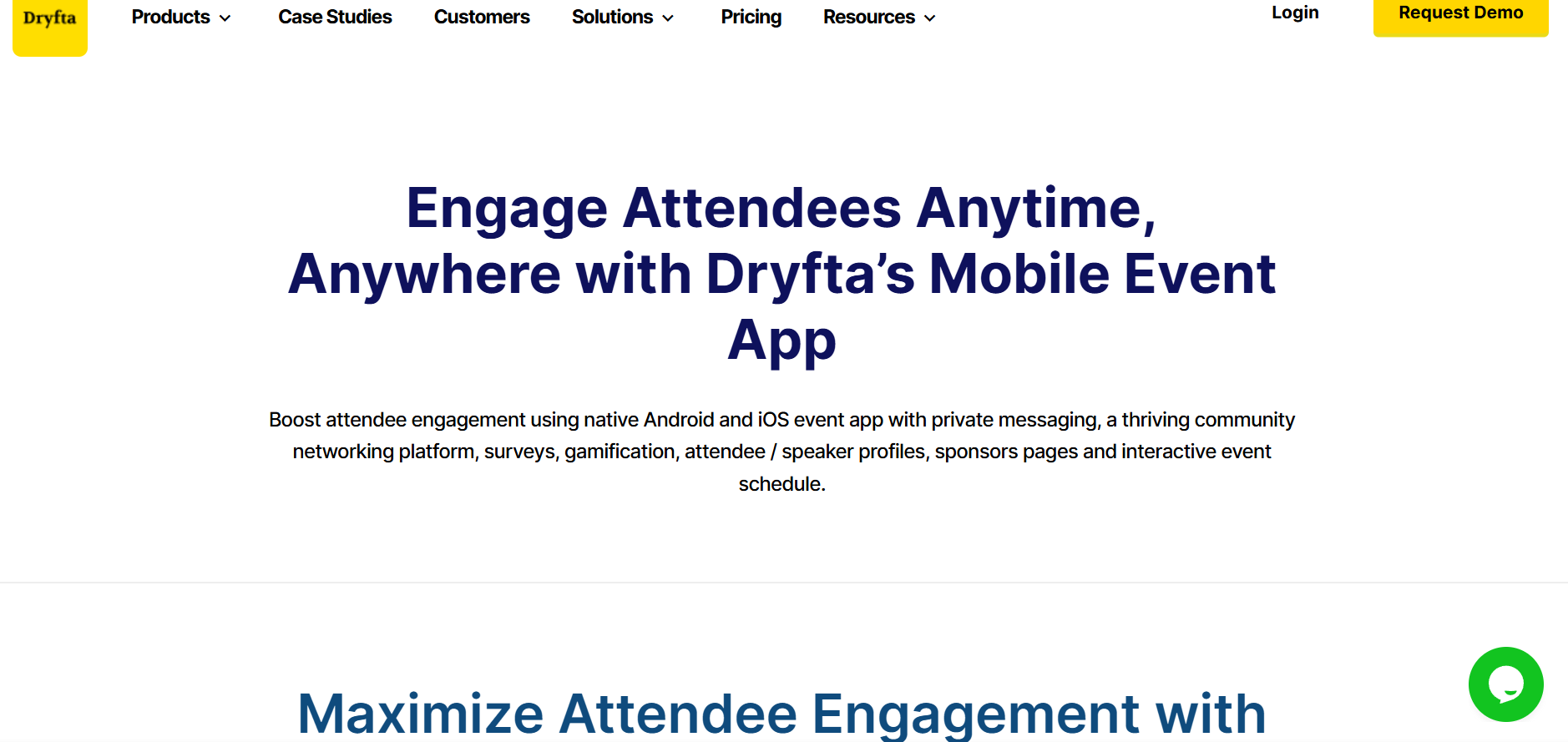
- Networking opportunities via virtual event platform (link to Dryfta Event App) helps the attendees, event organizers, and speakers to not miss any chance for networking. Dryfta offers next-gen tools that enhances the networking experience with its hybrid event friendly networking tools such as private messaging and community forum.
- Real-time polls and feedback are useful to keep a close eye and address the attendee issues or complaints and respond promptly. One of the most important factors in the hybrid event planning checklist is to consider previous events reviews and audience testimonials.
- Content accessibility and recording in the form of a library that helps offers pre-recorded, high-quality content, which can be deployed instantly as a backup especially during the technical failures.
Communication and Marketing Strategies
It’s also equally important that there is a continuous communication without any interruptions among the teams of both the formats throughout the event. For instance, if a speaker walks out of the shot of a camera, the digital team should be able to let the in-person team know.
The hybrid event organizers can reach diverse audiences when they tailor their messages, give clear instructions, and ensure that the momentum is going before and even after the event. Following a focused event communication strategies is must to tick in a hybrid event planning checklist because it ensures both virtual and in-person attendees feel prepared, informed, engaged and excited.
- Create segmented email campaigns that develop excitement with a clear communication and a timeline that highlights key sessions and networking opportunities. Using an dedicated email marketing software like Dryfta eases the process of campaigns.
- Clear instructions for virtual access and onsite arrival helps to ease the navigations and logistics. For virtual attendees, include a step-by-step guide which consists of details like how to log in, where to find sessions, how to join Q&A, and what to do if they face tech issues. For attendees at the venue, share arrival times, parking or traveling options, registration counters, and security requirements.
- Post real-time updates on event website and on social media platforms by sharing photos, quotes, and behind-the-scenes content to engage attendees. Edit and publish session highlights by create short and shareable video clips of the moments of the event.
- Follow-ups and reminders in the form of sending timely push notifications related to the upcoming sessions, speakers details, networking breaks, and special events will build trust and engagement. Sending personalized gratitude notes like custom thank-you emails or notes to speakers, sponsors, staff, and VIP attendees will leave a positive impact.
Post-Event Follow-Up and Analytics
The hybrid event isn’t really over when the last session ends. It is just the beginning of the next phase of value creation. This is where it is important to prove the ROI, amplify the content’s reach, and gather useful information from the data for the critical intelligence to make the upcoming events even more successful. A strong post-event hybrid event planning checklist is very helpful to make even a small event into a great one.
- Collect feedback and follow-up by sharing the post-event surveys. Distribute customized surveys to attendees, sponsors, and speakers to get specific feedback.
- Carefully analyze attendance and engagement metrics by taking useful information from the platform and virtual event platform to measure success. Track key metrics. This data is useful to identify the sessions that worked best, where attendees lost interest, and which features drove the most interaction.
- Share resources like recordings of sessions, presentation and other additional resources to attendees for references.
- Start planning for future hybrid events with the strategic planning process. An event can achieve success only by meticulous planning, seamless coordination between in-person and online elements, and a focus on attendee engagement that helps to provide better experience for all the participants.
To End With
Ultimately, the hybrid event planning checklist is more than a set of tasks that needs to be completed. The hybrid format offers many advantages to both virtual and in-person event planning. By, thoughtfully weaving two distinct audiences into one shared experience with the help of smart event technology setup, organizers can set great standards.
Frequently Asked Questions (FAQs)
1.What is a hybrid event?
A hybrid event combines both in-person and digital participation of the audience. This format gives attendees to join either onsite at a physical venue or online through a virtual event platform. It gives organizers broader reach and attendees flexibility to participate.
2. How do I choose the right technology for a hybrid event?
Hybrid events require reliable platforms that smoothly integrates with the registration and analytics tools. The technology should offer a user-friendly experience for both virtual and onsite attendees. One can choose a right technology for their hybrid event by prioritizing strong streaming quality, easy-to-navigate, and engagement features such as chat, Q&A, and polls.
3.What are common challenges in hybrid event planning?
Some of the most common challenges include technology failures like weak internet connectivity, poor quality in audio and video, steps to keep virtual attendees engaged, and properly coordinating hybrid event logistics. Event organizing teams usually struggle with time management, moderation, and engaging both audiences simultaneously.
4.How can I engage virtual attendees effectively?
With the help of interactive tools like live polls, Q&A sessions, and chat remote attendees can stay active. Virtual attendees can get engaged by providing various networking features through the virtual event app and making content more accessible via on-demand session recordings.
5.What should I consider for onsite logistics in a hybrid event?
For onsite logistics in a hybrid event, choosing a venue with strong internet, high-quality cameras, microphones, and lighting setups to capture and broadcast in-person sessions effectively are a must. Hybrid events often benefit from dedicated streaming hardware or software, versatile display screens, and interactive tools. It is also equally important to plan for health protocols by designing clear signage for attendee flow, and streamline check-in with mobile-friendly registration and QR-code scanning.
Download Dryfta’s one-of-a-kind Hybrid Event Planning Guide to get a detailed checklist and expert tips for your next hybrid event.