

You can plan an event for months and still feel unprepared when the doors finally open. Everything might look perfect on paper, but the real game begins when the attendees arrive. That is where onsite event operations take control.
The first few minutes of any event shape how people feel about everything that follows. If attendees face delays at the check-in or struggle to find their sessions, frustration builds quickly. On the other hand, when things move smoothly, people settle in faster and engage more. That is why onsite event operations sit at the centre of every successful onsite event. They turn planning into execution and determine whether your event feels organized or chaotic.
What Are Onsite Event Operations?
The event operations that happen at the venue when the event starts include lots of things. This includes when attendees check in, when badges are printed, when sessions are tracked, when staff are coordinated and when issues are handled away. Your plan and marketing get people to come. The event operations make sure that everything people do at the event goes smoothly.
The hard part is that all these different parts have to work at the same time. If one thing goes wrong, it messes up everything. That is why modern event operations use systems that are connected to each other rather than using lots of different tools that are not connected to each other.
Why Onsite Event Operations Matter More Than Ever
When people go to an event, they want it to be easy for them from the start. They want to get in and have things tailored to them. If the check-in takes a long time or is a mess, they will not be happy. This can happen if there are lines, they cannot find their name tags, or they do not know where to go. This creates a wrong first impression that is tough to fix.
Good event operations make sure people can get into the event without any problems. When people can register quickly and get the information they need, they feel better about being included, and they are ready to take part. At the time, the people who are helping pay for the event and others who are interested in it judge the event by how smoothly it runs. If everything goes well, people will trust the event. Want to be a part of it again.
The Core Components of Onsite Event Operations
Any event will have certain core components. It is important to keep these in check for the smooth running of the event and to manage any last-minute changes.
Registration and Data Flow
Every successful onsite event operations strategy begins long before the event starts. Registration process is not only about collecting names, but it is also about building a reliable data foundation. When registration data flows smoothly into your on-site systems, everything becomes easier. Your team can access accurate attendee details, avoid duplication of data, and respond quickly to any changes.
Check-In and Badge Printing
Check-ins are the first interaction the attendees have with your event, and it sets the tone instantly. If the process feels confusing, it can create unnecessary stress. Efficient onsite event operation uses tools like QR code scanning and self-service kiosks to speed things up. On-demand badge printing adds flexibility, which allows you to take care of any last-minute registrations or corrections without any disruption. When these things are done right, the check-in process feels effortless, and attendees can move forward without any hesitation.
Session Management and Access Control
When the attendees get to the venue, it is very important to manage the session flow. The rooms need to be big enough for all the attendees and also have some space just in case. This is where the people in charge of the on-site event come into play.
They scan the badges of the attendees when they enter a session so they know how many people are there at that moment. Then they can make changes. Get ready for more people to come at the last minute. If the event is managed well, the popular sessions will not be too crowded, and the ones that are not so popular will still have people going to them. This makes the whole event go well, and people have a better time at the event.
Attendee Tracking and Engagement
It is important to understand how attendees move through your event because it shows which sessions attract interest, where people spend time, and how they interact with others. Modern event operations capture this data automatically. Instead of guessing what worked, you can rely on actual behavior. This helps you refine your event for the future and design better experiences for your audience.
Sponsor Lead Capture
Sponsors expect more than visibility; they want measurable results from their participation. Effective onsite operations give sponsors the ability to track their interactions, capture leads, and understand attendee engagement. When sponsors can clearly see their return, they are more likely to invest in future onsite event opportunities.
Designing a Seamless Onsite Event Experience
Every attendee experiences the event differently. A speaker’s journey looks absolutely different from that of a general attendee or sponsor. It is important to handle each group with care, from dedicated check-ins to tailored communications, which creates a big difference. When each group moves through the event without confusion, the entire on-site event feels more organized.
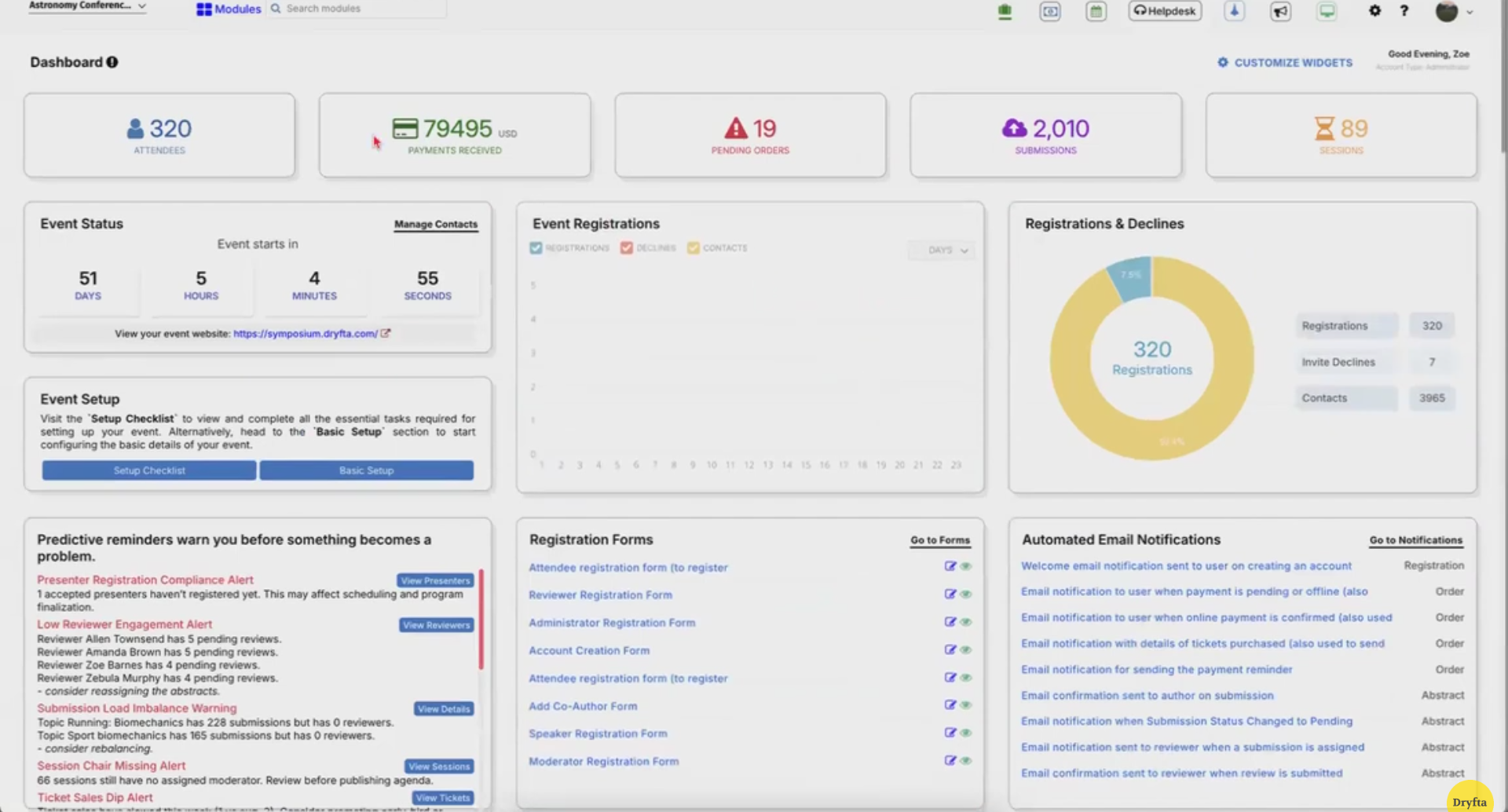
Technology also has a big role to play. It can either make or break your event. Many organizers rely on multiple tools that do not communicate with each other. This creates gaps in data and slows down the execution of the event. A unified system removes these barriers and allows your event operations to run smoothly through a single platform.
Using different tools for different tasks might seem manageable during the planning, but it becomes difficult to keep track of all the information during the execution. Modern onsite event operations require a streamlined approach where everything works together.
Managing Staff and Onsite Teams
Your event team creates the backbone of your onsite event operations. Clear communication and defined roles are essential for each member to be able to work without any doubts; everyone should understand their responsibilities. When the staff works in sync, your event operations become more reliable and easier to manage.
Budgeting for Onsite Event Operations
Budgeting for events can sometimes bring extra costs that you do not expect. These costs can be things like needing hardware, making last-minute changes or even having to reprint things. If you plan ahead of time and pick the tools for the event operations, you can keep these extra costs under control. This way, the event operations will stay organized. You will not go over your budget for the event operations. Planning helps with the event operations. Keeps the costs of the event operations low.
Final Thoughts
At the end of the day, the way you run your event operations is what people remember about your event. You can have a lineup of speakers and a good plan for getting the word out. If things do not go smoothly on the day of the event, the people who attend will notice right away. When event operations like check-in are easy, the sessions run on time, and event staff are available to help when you need it, the whole event feels like it is running smoothly from the point of view of the people who are attending the event.
What makes some events really successful is not that they do not have any problems, but how the event team deals with those problems when they happen. When all of your event systems are working together and you have a plan, it is easier to manage everything and stay calm when things get tough during the event.
Now that people expect more from events, it is really important to make sure your on-site event operations are running well. This is what lets you do a job every time, build trust with the people who attend the event and the companies that sponsor the event and create events that people want to come back to. You can book a demo with Dryfta today to see how Dryfta can help you manage your entire event from when people sign up to the day of the event.