


If you have ever managed an event, you already know that speakers can make or break the entire experience. You can have the best venue, a solid audience, and a strong agenda, but if your sessions feel disorganized, people notice. That is why event speaker management is not something you figure out on the fly. It needs planning, structure, and the right tools backing you up.
Working with a keynote speaker comes with its own pressure. Add a guest speaker panel into the mix, and things get layered quickly. Different schedules, different expectations, and sometimes different communication styles. This is where a thoughtful approach to event speaker management starts to pay off.
Event Speaker Management Starts Earlier Than You Think
One mistake that often shows up is starting the event speaker management process too late. By the time speakers are confirmed, organizers are already playing catch-up. A better approach is to treat this as one of the first steps in planning. When you lock your keynote speaker early, you give yourself time to shape the session properly. You can align on expectations, discuss audience type, and define what success looks like for that session.
The same applies to a guest speaker panel. When you bring panelists in early, you can build a balanced discussion instead of just filling slots. You can think about perspectives, industry experience, and how each person contributes to the conversation.
Using an event speaker management system at this stage makes a difference. Instead of juggling emails and spreadsheets, you track confirmations, documents, and timelines in one place.
Keep Communication Simple and Consistent
There is one thing that can derail the speaker management process: it is scattered communication. At times, messages get lost, updates overlap and the confusion starts to build. A simple fix to this problem is to centralize everything. Whether you are working with a keynote speaker or a guest speaker panel, keep all communication in one system. This is where an event speaker management system proves useful. It keeps messages, files, and updates in one place so everyone stays aligned.
For keynote speaker management, having a single point of contact helps. Speakers should know exactly who to reach out to when they have questions. It saves time and avoids back-and-forth confusion.
Give Clear Direction Without Overloading
Speakers expect clarity instead of long lists of instructions. In this regard, your role is to guide and not to overwhelm. When working with a keynote speaker, focus on the main message. What should the audience take away, and how does the session fit into the overall event? For a guest speaker panel, structure matters. Without proper direction, panels can drift or feel unbalanced. Set a clear theme, define how long each person speaks and make sure there is a moderator who can guide the discussion.
This is where speaker management becomes easier with the right tools. A conference management system allows you to share briefs, session outlines, and expectations in a clean format. Speakers can review everything without chasing information.
Use the Right Tools to Stay Organized
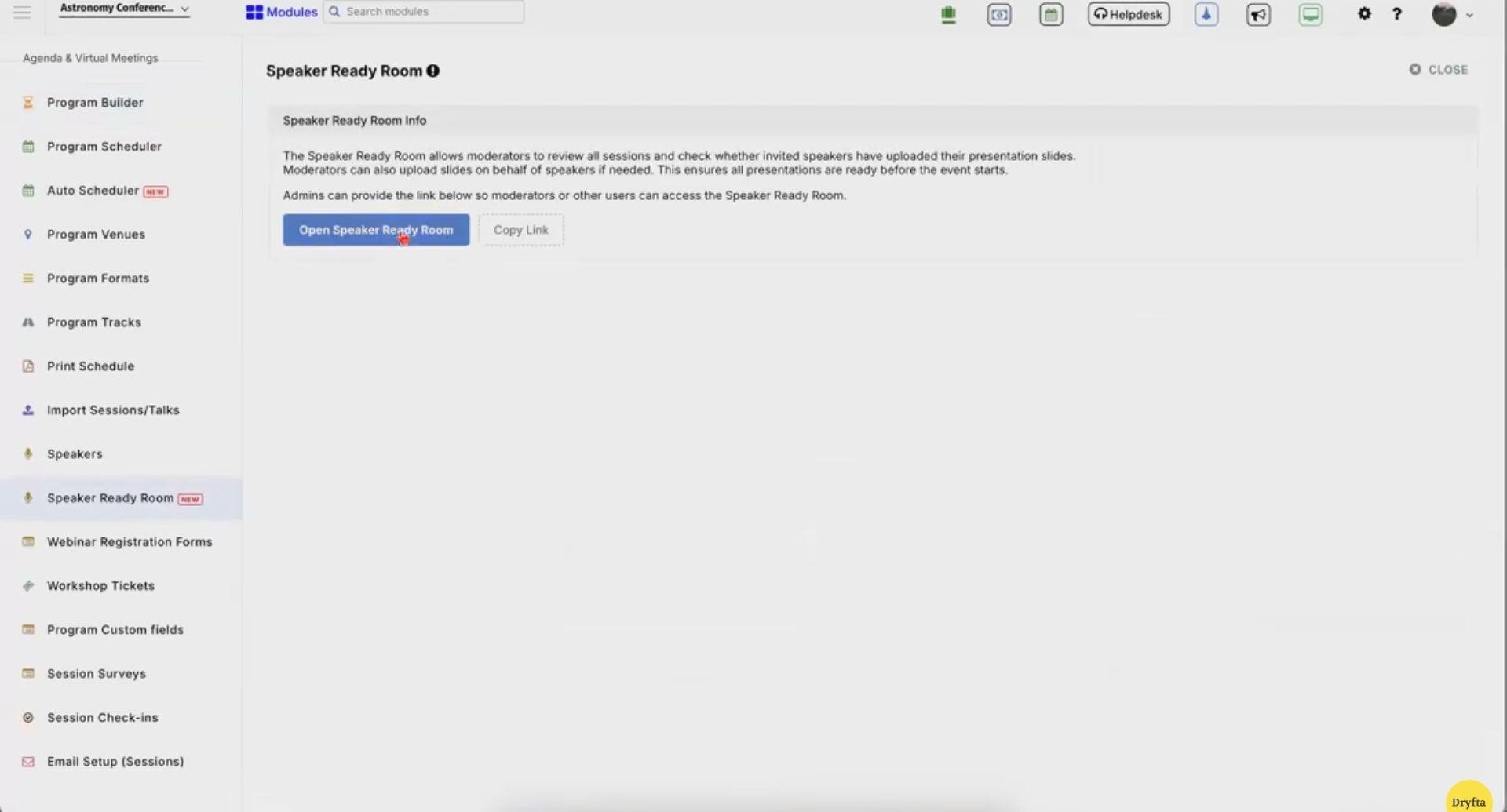
Event speaker management becomes smoother when you rely on a system instead of scattered tools. An event speaker management system helps you manage speaker profiles, collect session details, and organize schedules without confusion. Automated reminders help to keep things on track. You do not have to follow up constantly; instead, the system handles it.
For panels, a management system helps you manage multiple speakers within one session. You assign roles, track updates, and ensure everyone is aligned.
Prepare Speakers for What to Expect
Even experienced speakers need context, as every event runs differently and assumptions can lead to mistakes. In conference speaker management, process preparation is of utmost importance. Share the details about the audience, session format, and technical setup beforehand. If the event is virtual or hybrid, explain the platform clearly to the speaker so they can prepare themselves accordingly.
For a keynote speaker, a short pre-event call helps as it gives both sides a chance to align and clear any existing doubts. For a guest speaker panel, a quick rehearsal can make a big difference as it helps the panelists understand the timing, flow of the discussion and how the entire process moves. An event speaker management system stores information in a unified dashboard, from where the speakers can access it whenever they need, without relying on repeated reminders.
Stay on Top of Timing
Time management is really important because it is where a lot of events start to go wrong. Managing the speakers at an event means you have to be clear about when they can speak and for how long. You need to tell your keynote speaker how much time they have to talk and if people will be able to ask them questions. A good system for managing time helps you keep track of the schedule as it happens.
If something changes, you can adjust the schedule quickly. Make sure everyone knows what is going on with the event and the speakers. Time management and event speaker management are crucial to keeping everything running smoothly.
Be Ready for Changes
No matter how well you plan, things will change. A speaker might cancel at the last minute. A session might need to be moved to a different time. Technical problems can pop up out of nowhere. Event speaker management is not about stopping the change from happening. It is about dealing with it, without losing your cool. A management system helps you make changes. You can move sessions around, tell speakers about updates, and keep everything running smoothly.
Why an Event Speaker Management System Makes a Difference
As your events get bigger, as a result, it becomes tough to manage everything by hand. That is where an event speaker management system comes in. This system keeps all the information in one place, cuts down on the work you have to do by hand and helps you stay on top of things. Managing keynote speakers becomes a lot easier when you have automated workflows to help you. The system is great because it makes sure nothing falls through the cracks, even when you have a lot of sessions to handle.
Final Thoughts
Managing event speakers is not about taking care of details. It really affects how the people who come to your event feel about it. Whether you are dealing with a speaker or a group of guest speakers, every single thing you do is important. If you plan ahead of time, make sure everyone knows what is going on and use the tools to help manage the event, it becomes a lot easier to handle.
An event speaker management system is really useful because it puts everything in one place, so you do not have to try to keep track of a lot of things. If you want to make managing event speakers easier and handle speakers and groups of speakers without all the usual worry, Dryfta can help you do that. You can ask for a demo to see how it integrates with what you already do.