
According to G2, 84% of marketers say events help them stand out from the competition, making them one of the most effective ways to differentiate a brand. It’s no secret that businesses want to break through the digital clutter. If you’re figuring out how to become an event planner, whether for large corporate events or small personal gatherings, it really comes down to planning well and gaining real experience.
In this blog, we walk you through how to become an event organizer with a clear step-by-step approach, covering the skills, experience, and practical actions you need to build a successful career in event planning.
What Does an Event Planner Do?
As the name implies, event planners take care of the entire event planning process. They grab an idea and make it a well-managed experience throughout. Anyone exploring how to become an event planner soon understands the level of coordination and focus this job requires.
Event planners typically report to a director or to company leadership, and the position involves a broad range of duties. And that’s not all. It is much more than a piece of paper planning.
Here’s what the job looks like in practice:
-
- Know clients’ expectations and stay up to date on current event trends.
- Create a budget and secure an appropriate venue to host your event (with or without using technology designed specifically for event planning).
- Oversee the logistical aspects of an event such as equipment rental, event technology, transportation, food service and much more.
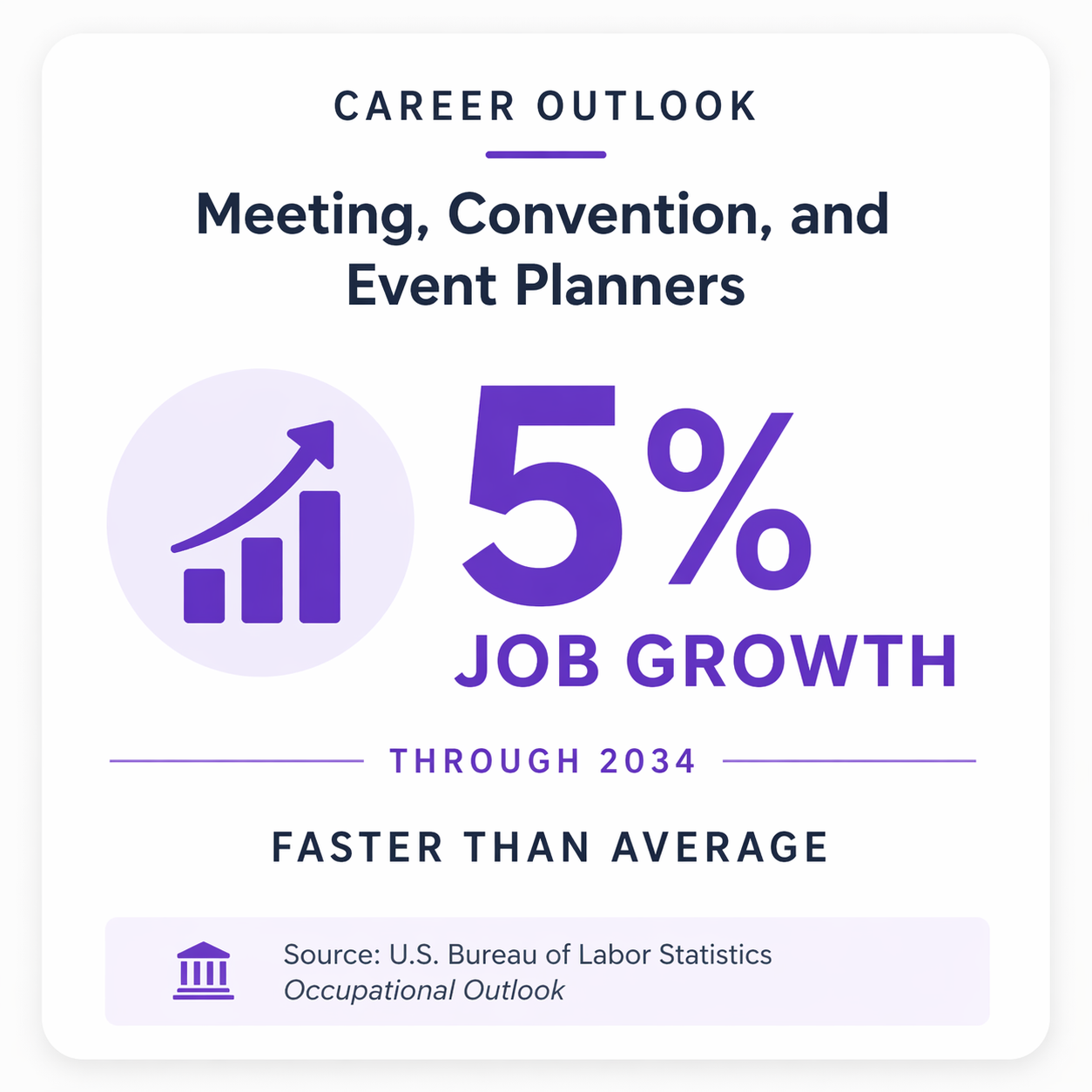
To be an event planner is to remain flexible and specific while keeping the bigger picture in mind. According to the U.S. Bureau of Labor Statistics, meeting, convention, and event planners are projected to have 5% job growth through 2034, faster than average.
Key Skills for Anyone Becoming an Event Planner
Event planning isn’t just about being creative. It takes so much more than that. While exploring how to become an event planner or how to get into event management, you’ll see that the most successful ones are those who excel at the “behind-the-scenes” parts of event planning.
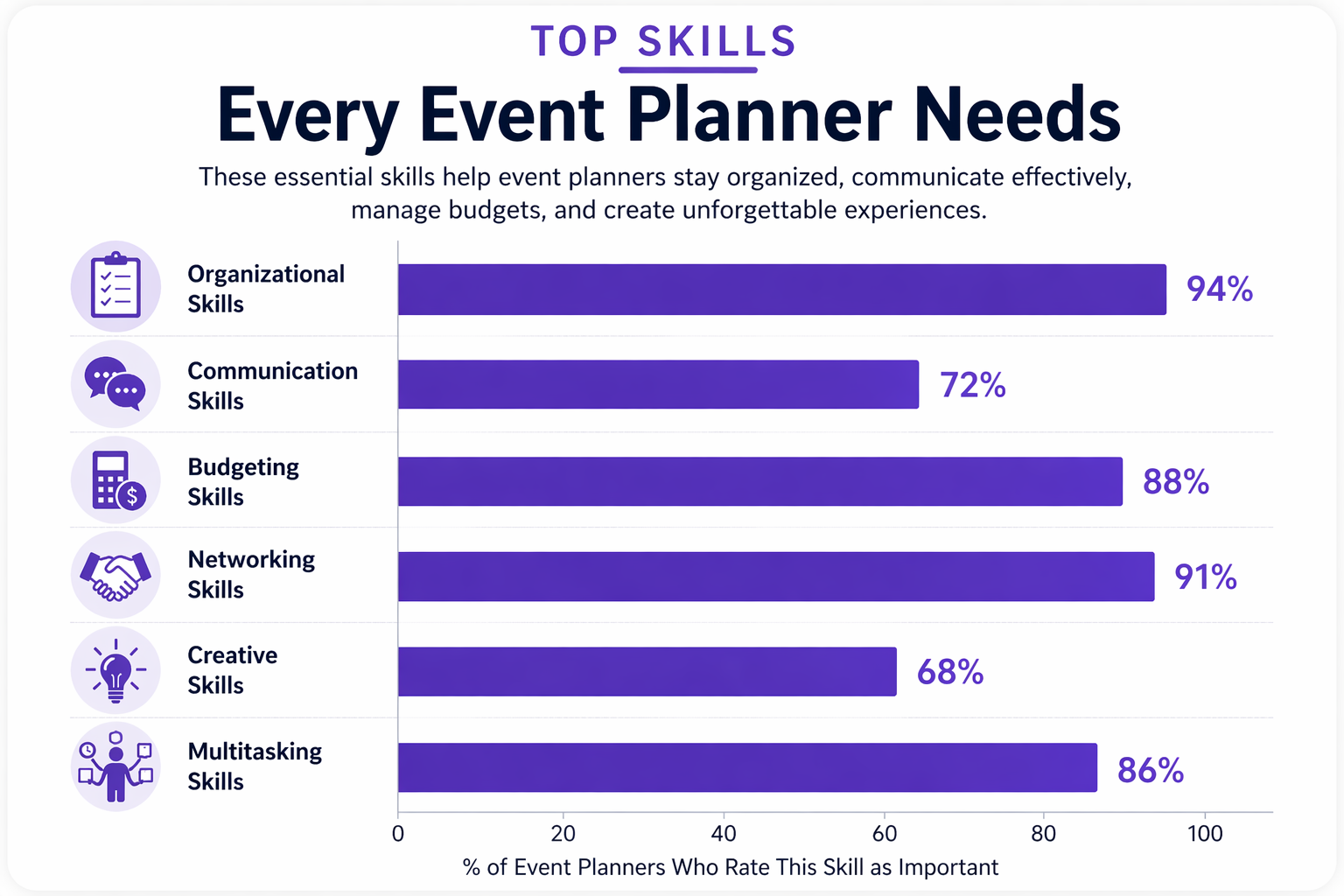
The following are what good event planning skills normally boil down to:
1. Organizational skills
Event planners do a lot of work and have many stages to plan for. Good organizational skills will let you keep your team on track with the event objectives and coordinate timelines and budgets at all levels. You should be able to handle everything from initial planning to final execution without leaving out crucial information.
2. Communication skills
Not only should you be able to communicate clearly and effectively with your team members, but you also need to communicate with the rest of the world, including vendors, sponsors, attendees and anyone else involved. As long as you communicate effectively, you can keep running the show.
3. Networking skills
Planning an event typically requires coordination. Therefore, building a network of trusted vendors, photographers and technical support personnel lets you plan and execute events much more efficiently. With a good network, you can reach the correct people and get everyone working towards achieving the same goal.
4. Negotiating and budgeting skills
Budgets and vendor negotiations are usually done by event planners. You have to negotiate the finest offers without compromising on quality. Budgeting also involves close monitoring of the expenditures and anticipating the future to eliminate any surprises.
5. Multitasking skills
Event planning is a multitasking process. You coordinate multiple teams, manage timelines, oversee execution, handle vendor communication, track budgets, and manage last-minute changes. Delegating tasks based on your team’s strengths helps reduce overwhelming pressure.
6. Creative skills
Creativity makes your event come alive. You must understand your client’s vision and incorporate it into an experience that seems unique and captivating.
Step-by-Step Guide on How to Become an Event Planner
There is no single path to becoming an event planner. Many event planners have learned their way through experience and learning from mistakes made on the job. Others prefer to take the formal education path and pursue degrees or certification programs.
Here’s how you can start:
Consider Studying Event Management
If you are exploring how to get into event management, a degree related to this field may help you have a better understanding of all the basics and prepare you for many of the challenges you’ll face in real-world scenarios. A bachelor’s in event planning, hospitality, marketing or public relations will make you familiar with the foundation. While a degree is not always necessary, it can open more opportunities and make entering the industry much smoother.
Gain Hands-On Experience
Real experience is your ticket if you want to get into event planner jobs. Everyone serious about becoming an event planner must take time to attend real events and learn how things work on the ground.
The following are some of the practical ways to start:
-
- Volunteer: Nonprofits, local events, and festivals need additional assistance. Volunteering will give you a glimpse of how event planning is done on the job, connect you with industry professionals, and give you experience with various types of events.
- Intern: Internships provide you with a more organized learning experience within an event planning team. You can browse programs via your school or directly call event companies to inquire about openings.
Build a Portfolio
After you gain experience working with actual events, create a portfolio that shows everything you can accomplish. If you are figuring out how to become an event planner, you need something tangible to present. A portfolio does exactly that. It provides hiring managers with a clear impression of what skills you have and what type of results you would bring.
What to include:
-
- High-resolution photos: Include clear and high-quality photos of events you have worked on. Display various stages to demonstrate how you were involved and the end result.
- Client testimonials: Past client feedback is valuable. Ask for a small review and post it to add credibility and trust.
- Marketing content: Include any promotional material (flyers, social media design) you came up with. It demonstrates your artistic side and your skills in promoting the events.
- Media coverage: If your events were mentioned in the press or online, include them as evidence of impact and visibility.
Put Together a Job-Ready Resume
A solid portfolio is important, but when looking to find event planner jobs, your resume will be just as important. When you work toward becoming an event planner, your resume should clearly show your skills, experience, value, and the results you have delivered.
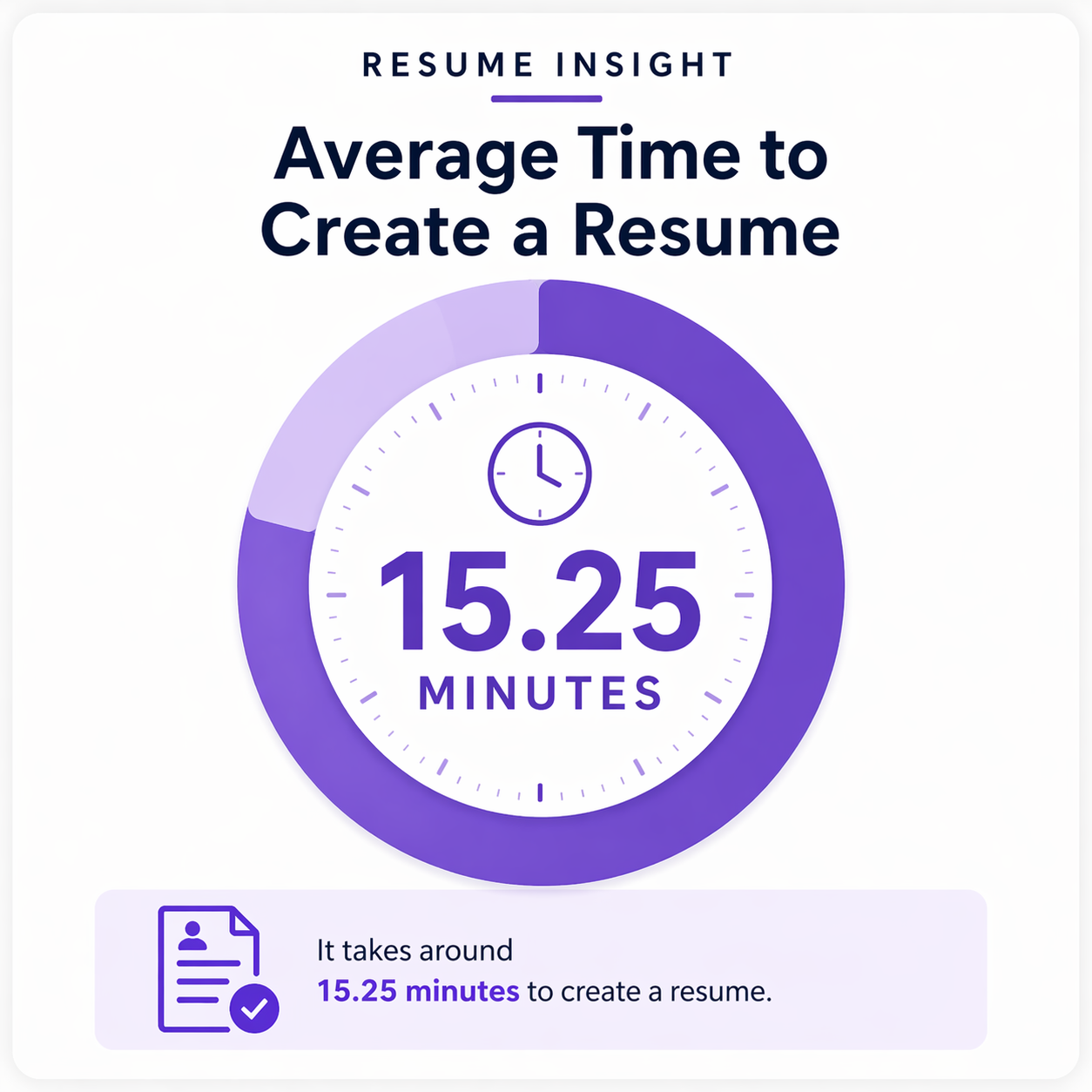
According to Zety, analyzing 11 million resumes created in its Resume Builder, the average time to put together a resume is about 15.25 minutes.
These are the main aspects that you have to pay attention to:
-
- Education: Provide your degrees and any other coursework related to event planning. In case you obtained awards or recognitions in the course of your studies, add them to enhance your profile.
- Experience: Present the experience in reverse-chronological order, starting with your most recent role. State the company, place, your title, and the time you worked there. Be action-oriented in describing what you did and what you accomplished.
- Relevant skills: Study job descriptions, determine which skills employers seek. Naturalize those keywords in your resume to ensure that it is comparable to what the recruiters are expecting.
- Other categories: Add volunteer experience, professional associations, or fluency in another language to complement your career path to becoming an event planner.
Pro tip: When you can, sum numbers to indicate results. The fact that you raised attendance by 20 percent through specific campaigns would be a much more compelling statement than simply saying you did event marketing.
Start Sending Out Applications
Once you have your resume and portfolio prepared, the next step is to start applying for jobs. As unbelievable as it may be, applying for every job with the exact same resume/application does not usually lead to success.
Taking just a few minutes to customize your resume and cover letter for each position will give you a much better chance of getting hired by showing you are interested in the company and its events.
How to Become an Event Planner: The Bottom Line
In the end, it is the willingness to learn through doing that determines success in this field. You do not have to have an ideal background to proceed with how to become an event organizer. More important is doing it, getting actual experience, and getting better with each event you deal with.
Begin with volunteering, organize events when you get the opportunity, and create a portfolio that demonstrates what you can actually deliver. Work on honing your organizational abilities and how events work together in a real scenario. The industry is results-oriented, not theory-oriented, and therefore, any local event you handle contributes to your development.
That said, the right tools can significantly impact how quickly you improve. Platforms like Dryfta help you manage registrations, event schedules, and payments within a single system, reducing the need to rely on multiple disconnected tools while building your experience.
Book a free demo with Dryfta and test it out yourself.

FAQs
- How to become an event planner?
To start off with how to become an event planner, begin with a degree in hospitality, communications, or any related course to develop a solid foundation. Next, concentrate on the practical experience in the form of an internship or volunteering in local events, as practical work can teach you much more than theory. As you grow, create a portfolio of the events you have worked on and begin networking with vendors and other industry leaders.
- How to become an event planner with no experience?
Breaking into event planning without experience takes a bit of initiative, but it is very doable. Start by picking up internships or volunteer roles at local charities, festivals, or community events so you can learn how things actually run. At the same time, explore online certifications to strengthen your basics and highlight skills like organization and communication on your resume as you work toward how to become an event planner.
- What certifications are worth considering for event planners?
Certifications can strengthen your profile and show that you take the profession seriously. Two well-known options include the Certified Meeting Professional (CMP) and the Certified Special Events Professional (CSEP). These programs cover industry standards and practical skills that can help you stand out when applying for roles. They also add credibility as you move forward in how to become an event organizer.
