
According to Custom Market Insights, the global events industry is projected to reach $3274.6 billion by 2033, reflecting the rapid pace of investment in in-person and hybrid experiences. As the industry grows, payment operations become a bigger part of delivering seamless attendee experiences and protecting revenue.
And behind every transaction at an event is a system that manages hardware, software, bandwidth, payment networks, and customer expectations in real time. Event organizers need to get it right the first time, because there’s no room for downtime.
In this blog, we’ll break down how event payment processing works, why it matters for your event’s success, what payment methods to offer, and how to choose the right software without overcomplicating your setup.
What is Event Payment Processing?
Event payment processing is the process by which organizers receive and process payments across various areas of an event, including ticket sales, merchandising, and on-site purchases such as food and beverages. With a well-established setup, all transactions will be seamless for attendees and fully traceable to your team across both online and offline touchpoints.
The majority of setups use online event payment processing that accepts various payment methods, including cards, digital wallets, and cash. They are also integrated with ticketing tools and vendors.
Strong event payment platforms:
-
- Handle large crowds without slowing down
- Keep transactions secure
- Remain in compliance with laws
- Help flag issues as they happen
- Give organizers accurate revenue data
Why Does Seamless Event Payment Processing Matter?
Event payment processing is a key factor in how well your event performs, as it turns interest into registrations. When people can complete their payments quickly and without errors, they feel confident to continue the transaction rather than drop off midway through. Reliable event payment platforms build trust right away by showcasing that your system handles sensitive data with care. This seamless impression sets a positive note for the entire event from the very start.
Wonder what role event payment processing plays in operations and attendee experience? Let’s dig deeper.
-
- Conversion rates increase since attendees purchase tickets faster, as they do not have to wait or follow lengthy procedures to make purchases.
- Secure encryption and compliance measures protect your company from fraud and secure financial information for each user who makes a purchase on your site.
- Quicker cash flow lets you access your funds sooner than if you were waiting for checks to clear.
- Integrated reporting via online event payment processing connects ticket sales directly with your accounting tools, reducing manual effort.
- Your event is accessible to more people worldwide, thanks to flexible payment options like digital wallets and installment plans.
- Modern event payment platforms provide a professional interface to keep your users on your site and prevent unnecessary redirects.
Did You Know?
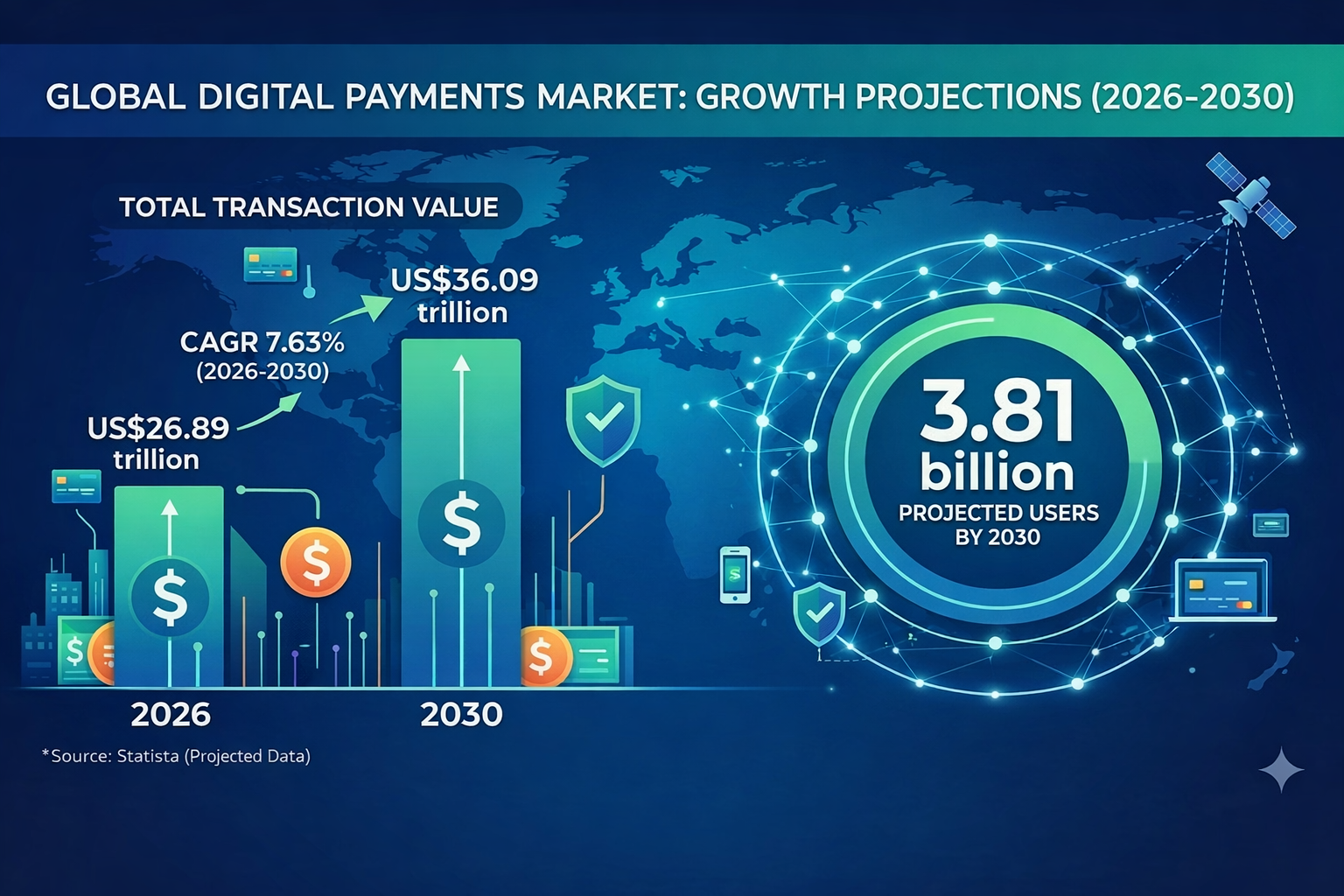
According to Statista, the total transaction value in the global digital payments market is projected to reach US$26.89 trillion in 2026. Growth is expected to continue at a 7.63% CAGR from 2026 to 2030, which could push the market to US$36.09 trillion by 2030. Statista also forecasts that the number of digital payment users will reach 3.81 billion by 2030, underscoring the growing demand for fast, reliable online payment systems.
What Payment Methods to Offer With Online Event Payment Processing
Maximizing revenue at an event boils down to what you offer and how easy it is to make purchases. The broader and more local the choices, the fewer roadblocks you run at checkout. This is all the more critical when you are dealing with large groups of people or international guests with different payment patterns.
But that’s not all: a good event payment processing software also enhances trust and speed, which directly affect the money you make.
The following are what organizers ought to take into consideration.
Credit and Debit Cards
Credit and debit cards top the list of payment methods for events. And, you cannot ignore them. Meanwhile, using cards alone will limit marketing your product in lower-income or developing countries that do not rely heavily on electronic payment methods.
Digital Wallets
Apple Pay and Google Wallet are common choices for both online and in-person purchases, specifically for quick transactions like food and drinks. They are quick to use, tap-and-go, and help minimize wait time.
Buy Now, Pay Later Options
Klarna and Afterpay are two examples of buy now and pay later services that attract young audiences and drive higher ticket purchases. Premium tickets can be made more affordable through installment payments.
Cash
Although most events are moving to cashless systems, some attendees still use cash. Local gatherings or smaller events will have the option to use this.
Prepaid and RFID Systems
Many events use either prepaid wristbands or mobile accounts that let attendees preload funds in advance. It speeds up the checkout process and helps organizers monitor real-time spending.
What to Look for in Event Payment Processing Software?
Choosing the right setup for event payment processing can directly impact how your event performs. With large numbers of people trying to process payments at once, you want a system that can handle heavy traffic and still let you stay in control.
First things first, focus on what actually matters when you’re under pressure.
-
- Omnichannel flexibility: Payments should be accepted anywhere and everywhere, whether through the web (registrations), physical locations (on-site counters), self-service kiosks, or mobile apps. Omnichannel solutions are designed to integrate all these payments into a single platform, eliminating the need for separate data points.
- Support for multiple payment methods: Not everyone pays the same way. Your event payment processing software should be capable of supporting card payments, digital wallet payments, prepaid payments, and other relevant payment types. Additionally, a flexible system lets you use the most secure payment methods without restricting attendee choices.
- Reliable performance under load: When thousands of transactions are running at the same time, your system should not crash or become unresponsive. Any stuttering or stalling can cost you money immediately.
- Vendor and payout management: In case you deal with vendors, you must have a system that will track sales effectively and pay out without any misunderstanding. Multi-party payment support simplifies the real-time management of who earns what.
- Real-time data and control: You need to be able to see what is going on in real time. Live dashboards and alerts will assist you in identifying problems early and rectifying them before they swell.
- Compliance and security: Event configurations are quick. You must be able to have everything running in a short time, board vendors without delays, and test systems without undue complexity.
Top Payment Gateways for Modern Events
Given how important event payment processing is to an event’s overall success, the next step is to select the appropriate tools.
Here is where it gets interesting.
Not every event payment platform operates in the same manner. The choice will depend on the size of your event and your audience.
Let’s take a look at the most popular payment gateways for events.
Stripe
Stripe is the best option for tech-focused event organizers who need to do extensive customization with powerful APIs.
In 2026, it continues to offer a transparent pay-as-you-go model starting at 2.9% + $0.30 for domestic transactions. Stripe’s machine learning-based fraud protection and support for over 135 currencies make it perfect to scale international events.
PayPal
As a global leader in online payments, PayPal remains a key player in the world of event planning. As a trusted source for both organizers and attendees, PayPal lets your attendees feel comfortable paying with either their credit cards or other payment methods they have saved in their PayPal account.
With over 200 markets supported, its business rates typically range from 2.99% to 3.49% plus a $0.49 fixed fee. It works especially well for international ticket purchases, when guests might prefer to spend the money from their PayPal account instead of entering their card information.
Authorize.net
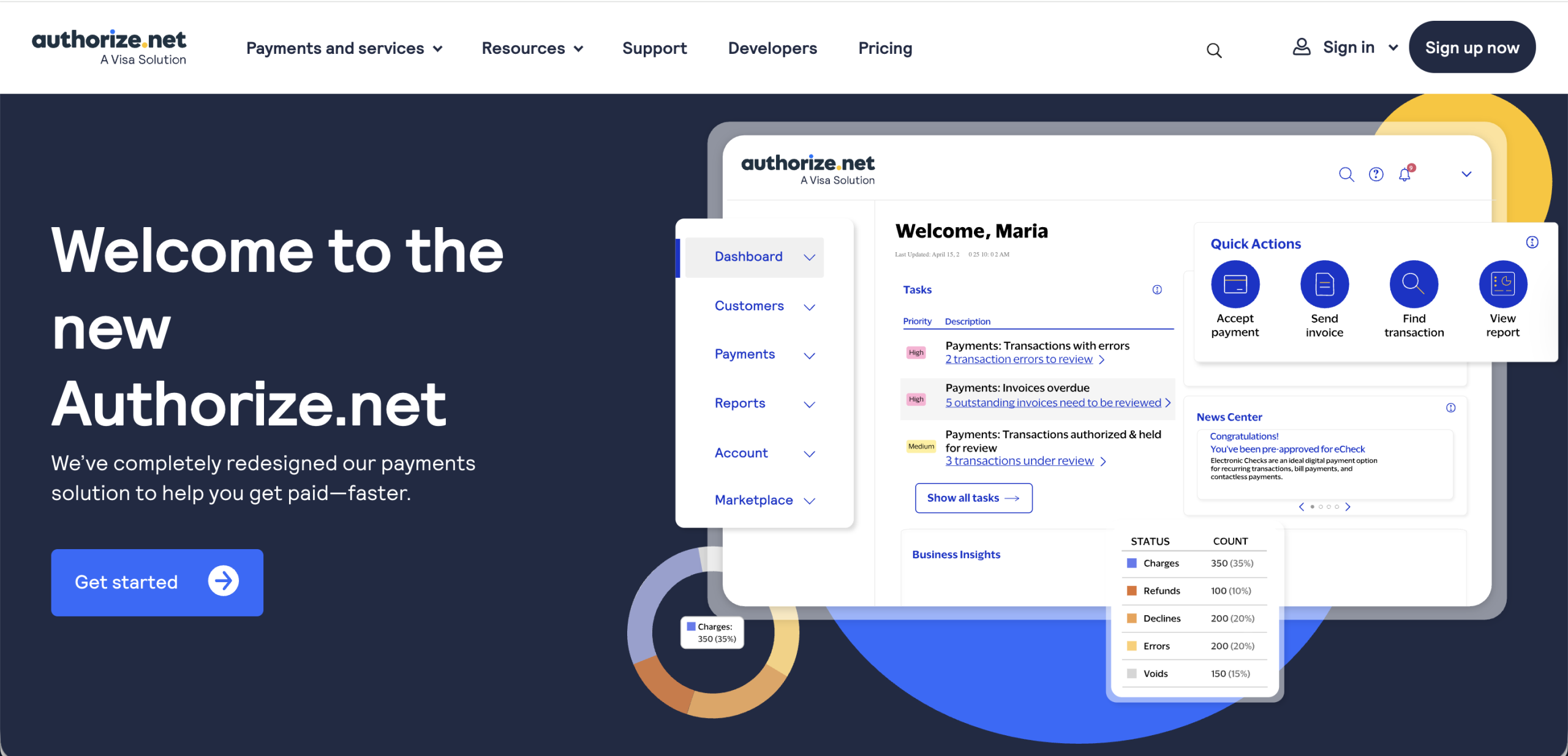
Authorize.net is a highly reliable enterprise-grade solution that has been around since the early days of online event registration. Established organizations prefer it for its Gateway Only flexibility, which lets you link to a merchant bank of your choice to negotiate a lower interchange-plus rate.
Although Authorize.net charges a $25 monthly fee, it offers advanced security features, including the Advanced Fraud Detection Suite (AFDS).
Braintree
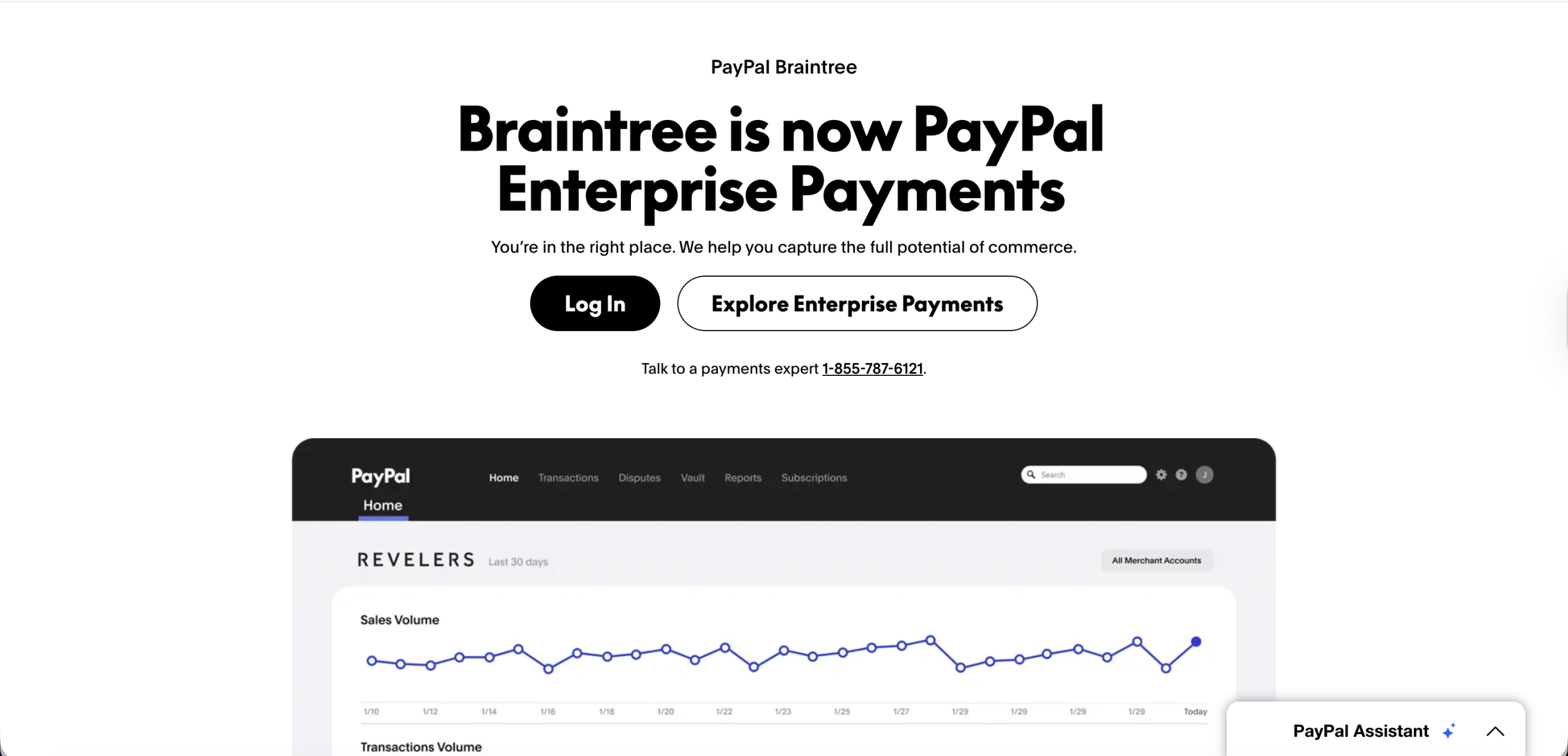
Braintree is a mobile-first PayPal product popular with large-scale festivals and tech conferences. It lets you integrate cards, PayPal, and Mobile Wallets such as Apple Pay. Braintree has a Drop-in UI that can be set up quickly, and “Hosted Fields” give developers pixel-perfect control over design.
2Checkout

2Checkout (Verifone) is the most suitable solution for international business, as it enables ticket sales across countries with different tax regulations. It is a Merchant of Record, doing the heavy lifting of international VAT/GST compliance and a selection of local payment methods.
This gateway is especially useful for B2B events that must comply with strict regional laws and currency exchange requirements.
Pricing may vary based on region and transaction volume.
How Dryfta Helps With Event Payment Processing?
Dryfta helps event organizers accept payments through a secure and simple registration flow. Organizers can connect trusted payment gateways, collect ticket fees, donations, memberships, and add-ons in multiple currencies, and send funds directly to their bank account based on the gateway payout terms.
Dryfta also helps manage invoices, payment reminders, refunds, cancellations, order tracking, and ticket delivery in one place.
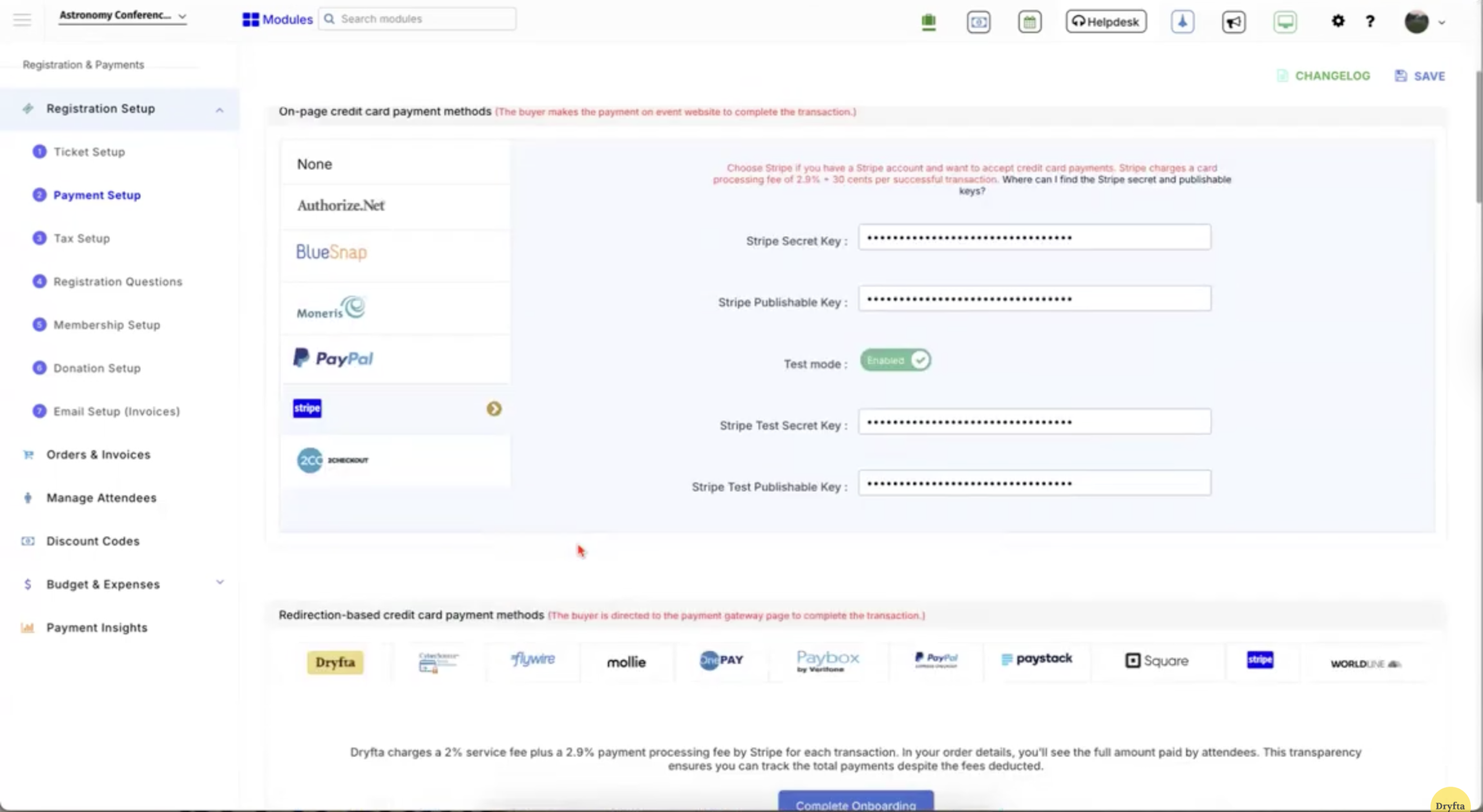
With Dryfta, you can:
-
- Select gateways such as Stripe, Authorize.Net, Square, 2Checkout, PayTM, CyberSource, Moneris, and iPay.
- Take one-time donations or monthly recurring donations.
- Sell custom, valid memberships.
- Easily sell workshop tickets and check in paid attendees.
- Provide sponsorship packages for online purchase.
- Include paid extras that participants can purchase with their ticket.
- Provide access to high-quality content using access control tools.
- Automatically send invoices and payment confirmations to registrants.
- Get cart abandonment alerts for users and admins.
- Reminders and follow-up campaigns using payment data.
- Establish group, country, ticket, and expiry date discounts.
- Restrict the number of discounts per individual or ticket.
- Use automatic rule matching to apply discounts.
- Verify offline payment orders using order management.
The Bottom Line
As we wrap up this guide on Event Payment Processing, one thing stands out clearly. The way you handle payments shapes your entire event outcome. Effective systems attract additional visitors and facilitate a better revenue stream.
Yet there is one more to strike the right chord. Knowing the process helps, but execution makes the difference. You require a platform that is easy to use and secure for payments, without complicating the process.
That is where Dryfta comes in. It provides the most secure, reliable, and scalable payment processing of events in virtual, hybrid, and in-person formats. Request a free demo with Dryfta and find out how easy it can be.
FAQs
- What are the most secure event payment platforms?
Dryfta, Eventbrite, and Cvent are often considered strong choices for secure event payments. Dryfta supports trusted gateways, payment tracking, invoices, and admin alerts in one system. A secure platform should also offer encrypted checkout, fraud protection, and reliable payment gateway integrations for smooth attendee transactions.
- What is the best online event registration and payment system?
Dryfta is an online event registration and payment system popular with conferences and academic events. It integrates registration and ticketing, payments, invoices, discount codes, and attendee management. Dryfta is frequently favored by organizers to streamline operations and minimize the manual payment processes.
- How does online event payment processing work?
Online event payment processing enables attendees to pay at the time of registration either by card, wallet, or bank transfer. Payment verification is done by a secure gateway, which is approved and registered immediately. Transaction data is sent to organizers, and attendees receive confirmation emails, receipts, or invoices when they have successfully paid.
- Why are payment gateways for events important?
Payment gateways for events help organizers accept secure online payments from attendees. They protect payment data, reduce failed transactions, and support multiple payment methods. A reliable gateway also improves checkout speed, builds attendee trust, and helps increase completed registrations for paid events.
