




Picture this. You’re only a month away from hosting a scientific conference at your university. But you’re using an outdated event planning software that doesn’t integrate with other digital tools. What a nightmare, isn’t it? Planning a conference for a university can be challenging, especially when it takes place online in the form of virtual events. Choosing the right event management software takes care of the problems that one might face during these kinds of events.
Scientific events are organized by a scientific society or a group of researchers, at which scientists give short presentations describing their research. Such conferences are a way in which scientists share their ideas, results, and research methods with the scientific community.
Opting for event management software for your scientific event streamlines the entire event lifecycle. These solutions centralize information, automate tasks, and enhance the experience for organizers and attendees. As a result, organizers can efficiently plan and engage attendees, which leads to measurable success for the event.
In this blog, we have curated the top 10 event management software that help universities run a smooth scientific event throughout.
1. Dryfta
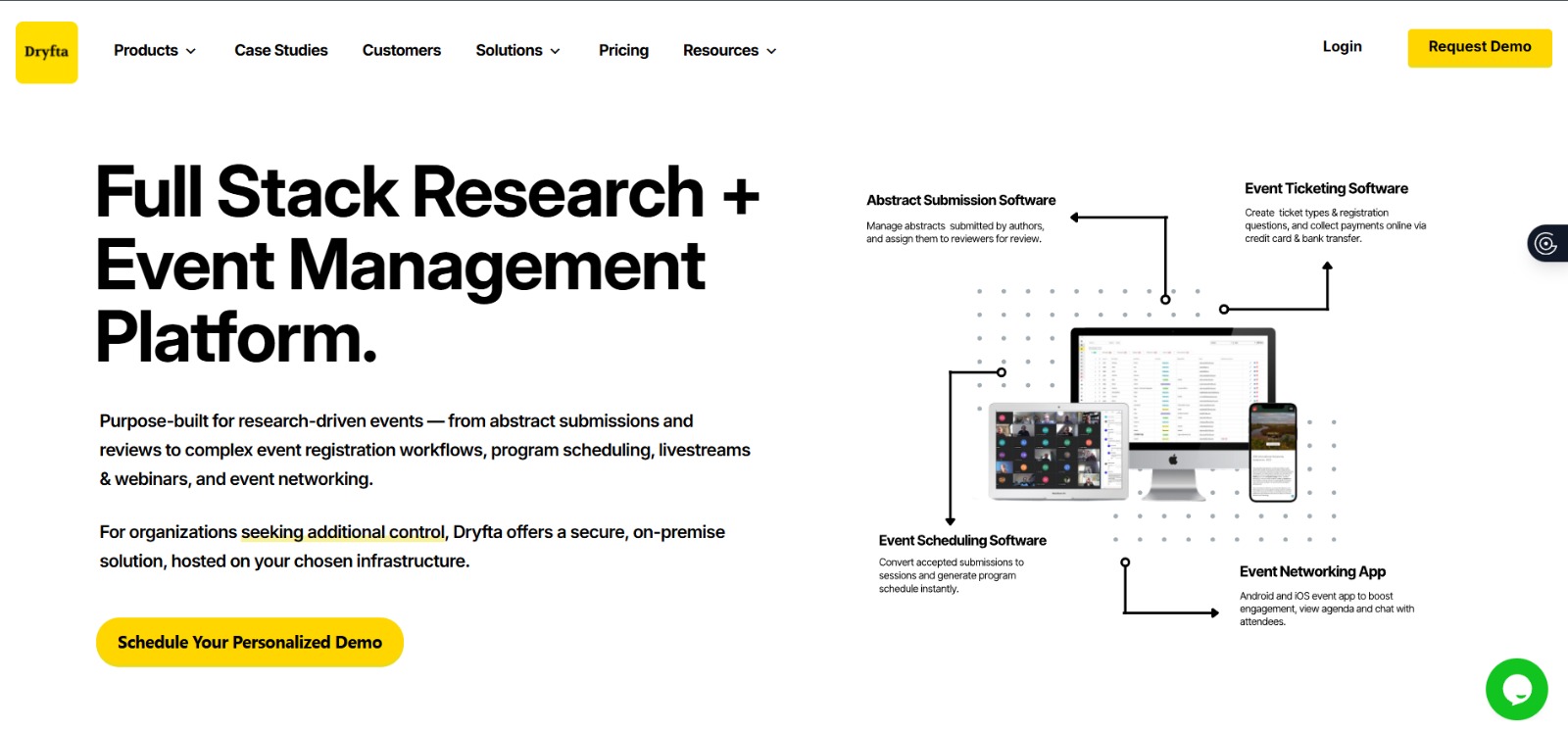
Dryfta is an all-in-one platform specifically built for academia, with features like abstract submissions, peer reviews, and many more. The software offers analytics for data-driven decisions, creating a more efficient and professional experience for both organizers and attendees.
The platform features a drag-and-drop schedule builder that supports multi-track conferences and automatically checks for scheduling conflicts. Speakers get a dedicated dashboard to manage their session information and upload presentation files.
This platform is designed for both hybrid and virtual event formats, with features like live streaming and virtual interaction.
2. Pheedloop
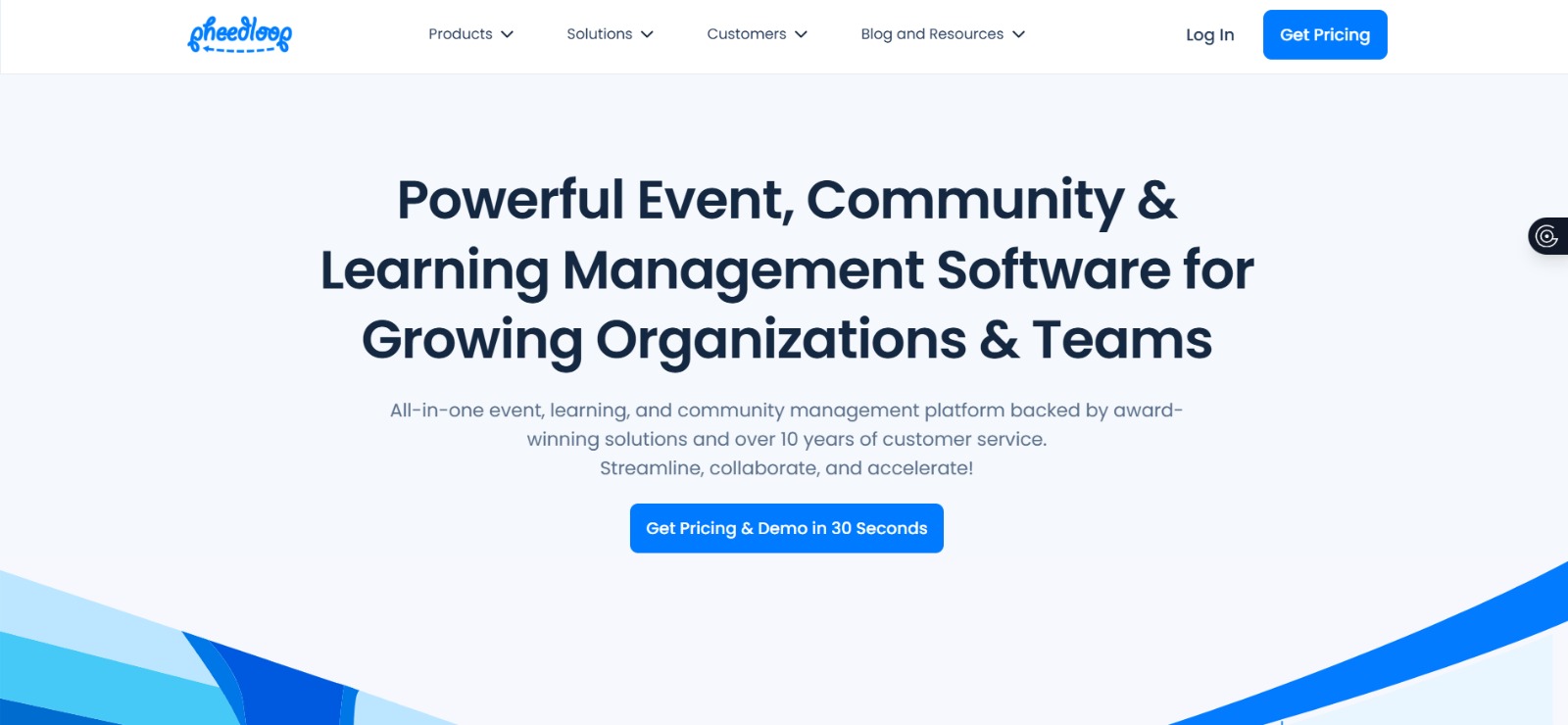
PheedLoop is a robust platform for scientific and academic events as it offers a comprehensive solution for scientific event organizers. The system offers extensive features for managing complex academic programs, facilitating research and education, and enhancing professional networking.
This has been widely used for scientific events of any size, from small faculty meetings to large-scale convocations.
3. OpenWater
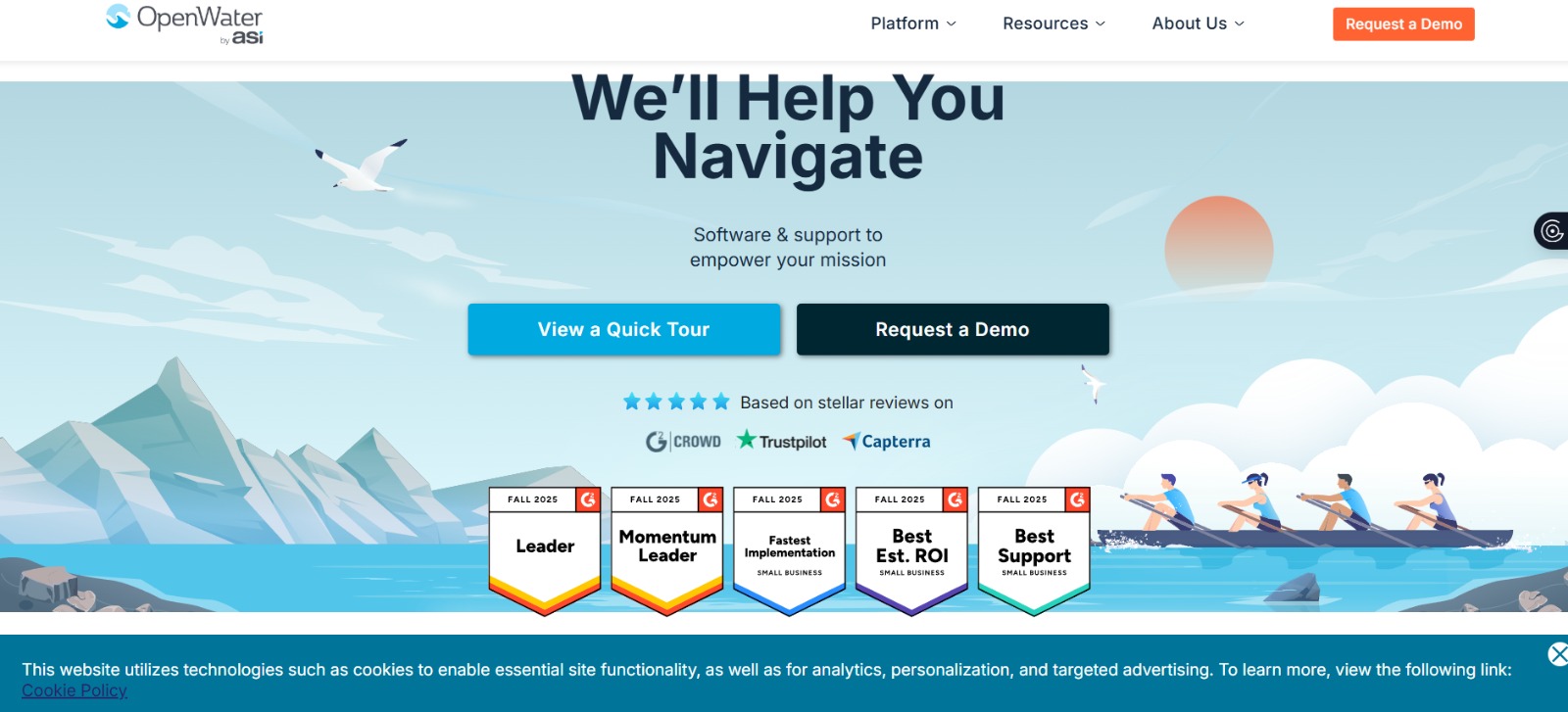
OpenWater is a highly-regarded platform for scientific academic events. It offers a unified, end-to-end solution for abstract and session management. The tool provides specialized features for scientific content (such as adding special characters) and has a great reputation for excellent customer service.
It offers features designed for academic and scientific conferences, including abstract submission, peer review management, and virtual poster sessions.
OpenWater streamlines the entire process, from the initial call for papers and abstract collection to peer review, session building, and final scheduling. This integrated approach eliminates the need for managing data across multiple, disconnected tools like email and spreadsheets, saving significant administrative time.
4. Ex Ordo

This platform excels at managing scholarly workflows, especially abstract submission and peer review, and offers a comprehensive, integrated platform for virtual, hybrid and in-person meetings. Features include customizable submission sites, automated reviewer reminders, real-time progress tracking, and customizable scoring rubrics for a consistent and efficient review process.
It automates many of the tedious tasks associated with event management. Hence, it allows organizers to save time and focus on more strategic activities.
If you are looking for flexible pricing, then Ex Ordo uses a tiered, often customized pricing suitable for different event sizes, making it a valuable option for both smaller and large-scale events.
5. EasyChair
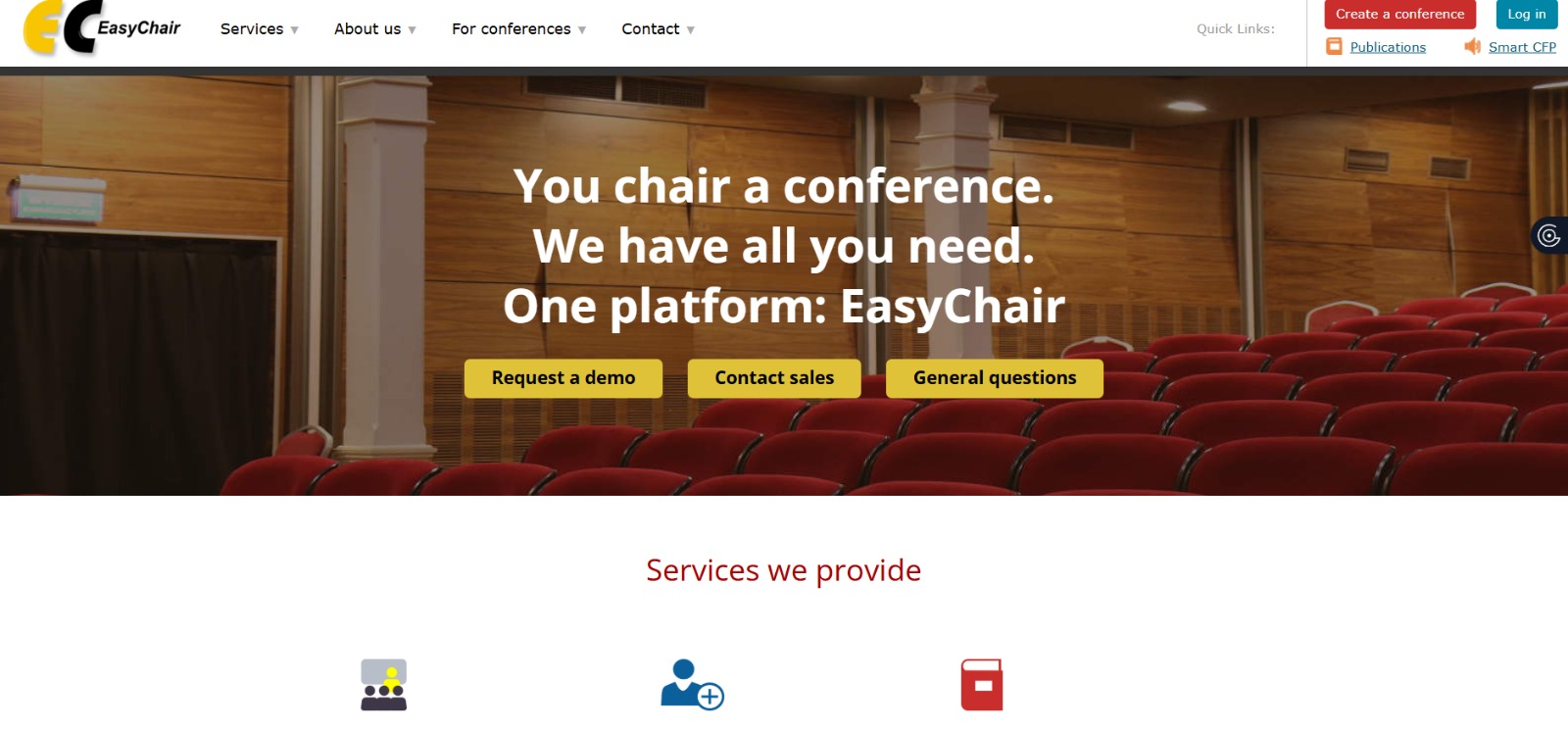
It is comprehensive and highly specialized for academic workflows, managing everything from paper submission and peer review to program generation and proceedings preparation.
Its flexibility allows users to customize the system for different conference models. It has robust features such as automated reviewer assignments based on preferences and author response.
It ensures an intuitive interface that simplifies the submission requirements with flexible forms and support for multiple file types. It features tools for creating a high-quality program booklet and can automatically generate schedules based on talk similarity and constraints.
6. OpenConf
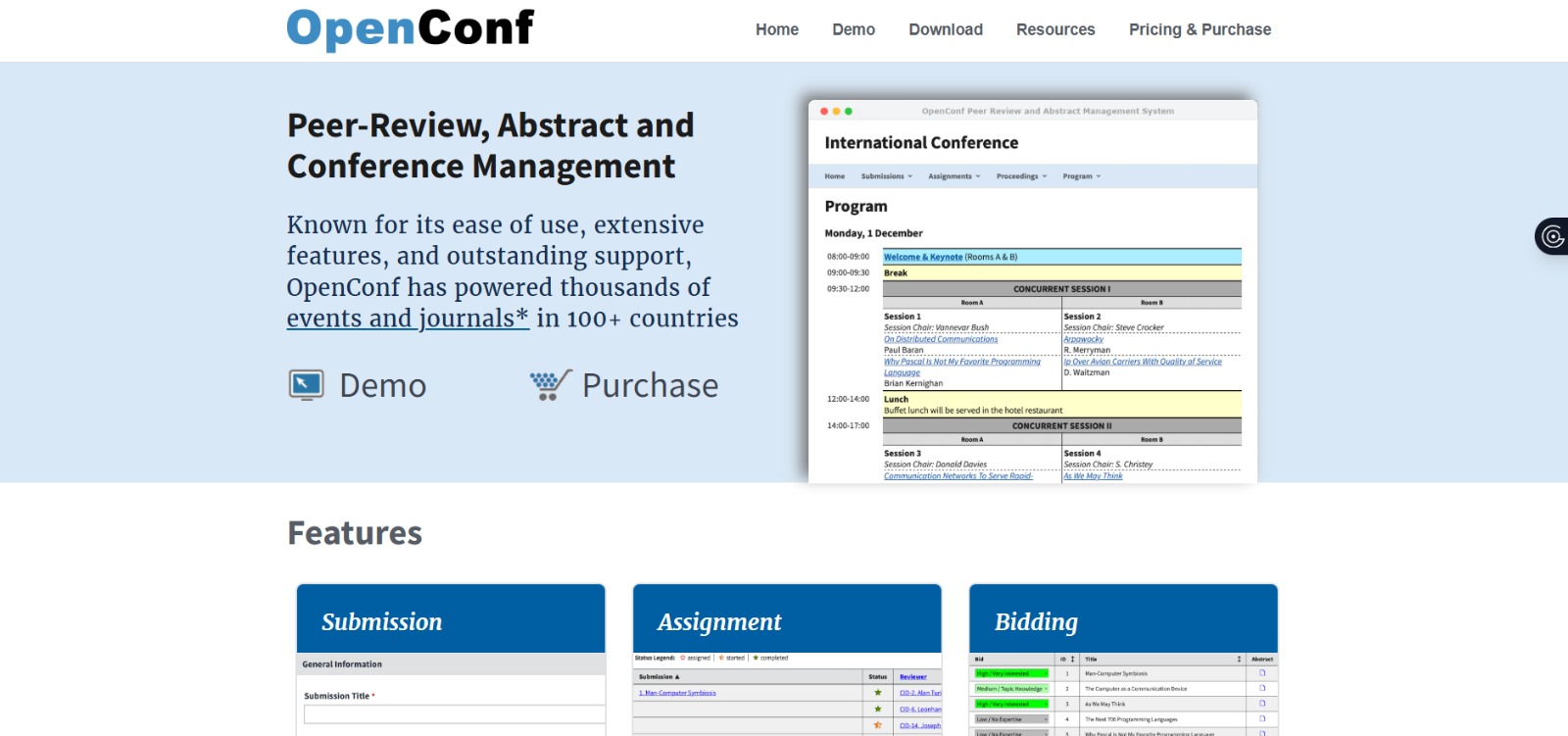
It is a great scientific event management software owing to its ease of use and range of comprehensive features for managing the entire submission and review process. In addition, it offers flexibility through its various editions and customization options. It manages the entire lifecycle from initial abstract submission to final program creation and publication online for web and mobile devices.
This platform is versatile as well, where you can use it for a variety of events beyond conferences, including workshops, symposia, grants, and journals.
7. COMS
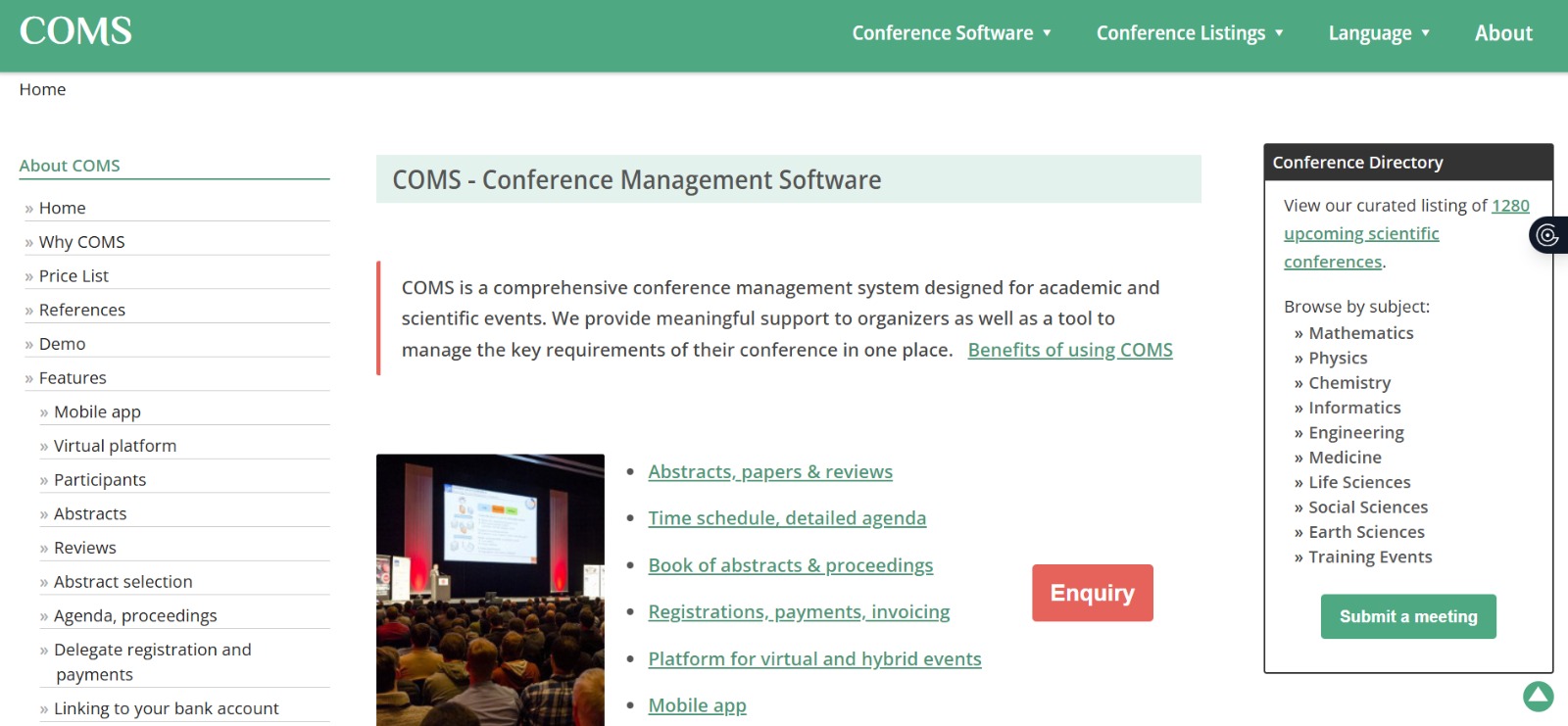
COMS is considered an all-in-one solution designed to handle the specific, complex needs of academic, medical, and scientific conferences. Its key strength lies in integrating core academic functions like peer review with general event management features into a single, user-friendly platform.
Users have previously praised this platform for its simple and solid design, which minimizes the load on users’ devices and ensures broad accessibility.
8. X-CD Higher Education Suite
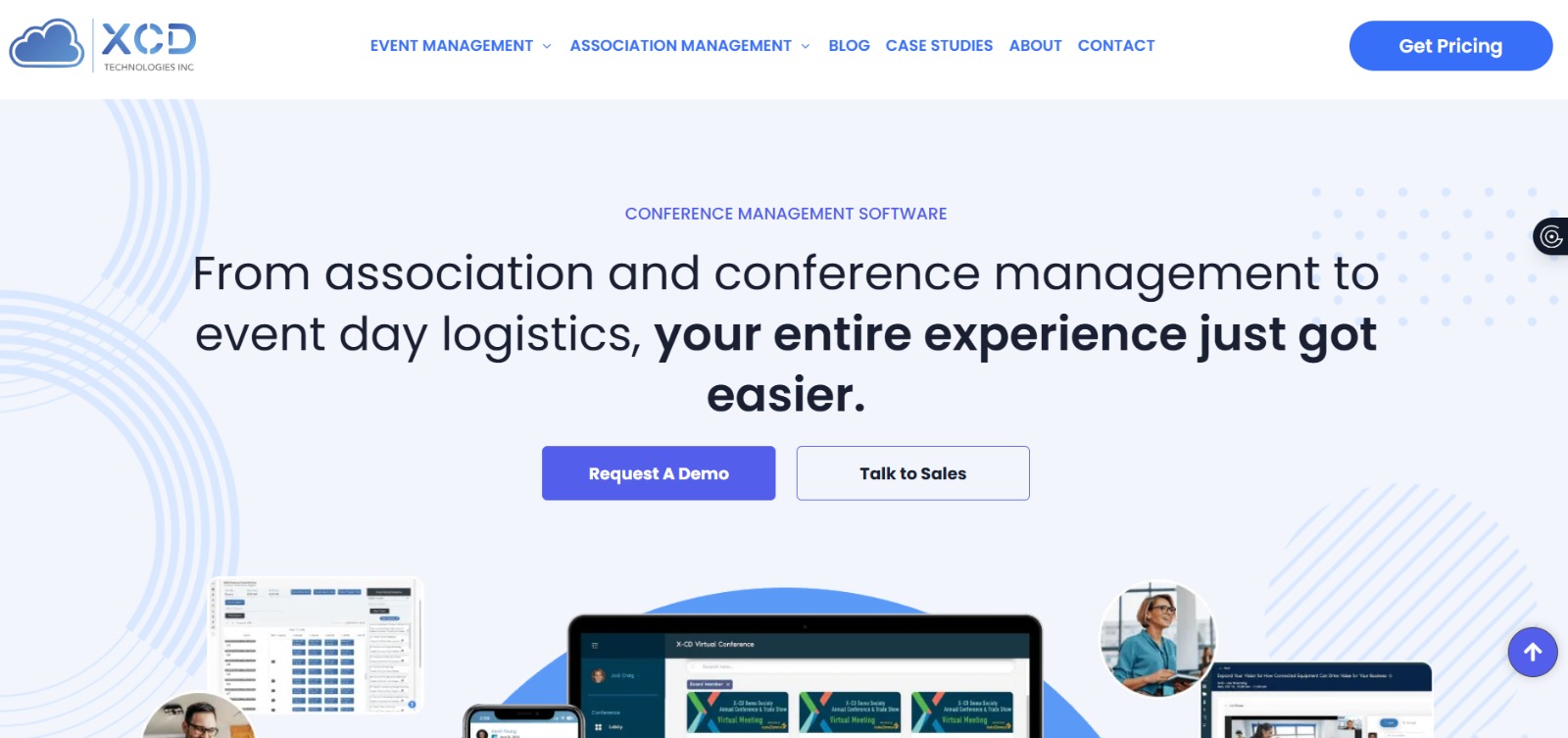
When you go looking for an all-in-one platform purpose-built for the complex needs of academic and research associations, then X–CD is a good choice. It provides tools delicate enough for abstract submissions, managing multiple rounds of reviews, etc.
With nearly 30 years of experience serving academic, medical and research associations, the platform is designed with features that address the specific challenges of these events, such as managing complex technical programs and large volumes of presentations.
9. Converia

It provides an all-in-one customizable platform that streamlines processes like registration, abstract management, and on-site check-in. It combines all necessary tools, from abstract submission to final session scheduling, into a single, web-based application.
Converia’s API allows it to connect with other systems, such as a university’s single sign-on, a CRM, or accounting software, while also automating many repetitive tasks.
10. Dossier.events

This software is a great choice when it comes to collaborative effort. It is an AI-powered, end-to-end solution designed to streamline the specific needs of academia and scientific research events. The platform is built with academic and scientific workflows in mind. It leverages AI for lead generation, smart CRM, and content creation, which helps save time on administration tasks and maximizes reach with limited resources.
Final Thoughts
When selecting a platform, universities should consider the specific needs of their events. These needs involve the required features, the available budget, and the technical expertise of the planning team. That is why we have curated a blog with the top 10 scientific event management software for universities.
So, why settle for basic solutions when Dryfta offers a comprehensive, integrated software for event management? Make the switch today and experience how our all-in-one solution enhances the attendee experience. Try our free demo for a thorough understanding of how the tool works.
