




Handling events in 2026 requires more than just registration and ticketing. Event organizers require tools that combine abstract management, speaker review process management, CRM, and engagement. These tools will enable you to host successful academic, scientific, hybrid, and business events efficiently and effectively.
A good abstract management system with event CRM features provides the organization with the necessary tools to make the event successful. It is also important to understand how these tools work and what the platforms have to offer.
Below, we highlight the top 10 platforms that combine abstract management with event CRM functionalities. We discuss actual links, services provided, main features, and how each platform will help you achieve success in your event.
1. Dryfta
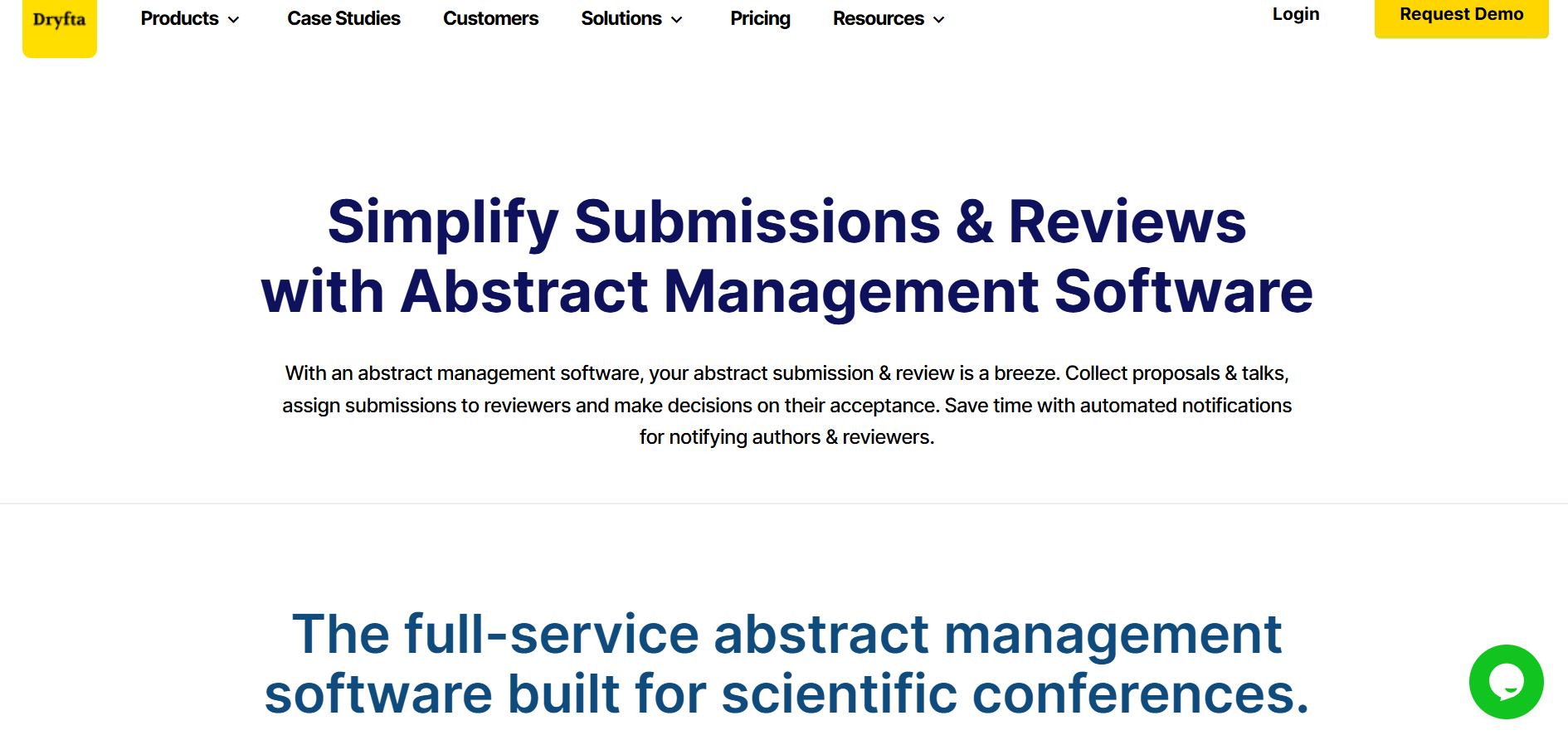
Dryfta stands out as an all-in-one event management platform. It is designed for academic and professional events. The event management platform brings together abstract submission peer review, registration, CRM, and attendee management in one system. Organisers can manage every step of the event lifecycle from a single dashboard. This improves efficiency and data accuracy.
Key Features
-
- End-to-End Abstract Management: Dryfta helps to manage abstracts from submission to the final publication; organisers can design structured submission forms, define tracks and categories, and at the same time assign reviewers to the submissions. They can also monitor real-time progress through the abstract management system.
- Integrated Event CRM: Dryfta stores the detailed profiles for attendees, authors, speaker sponsors and exhibitors. Each of the profile records the registrations, the abstracts, the session participation and the communication history. The CRM structure supports proper outreach and long-term relationships beyond a single event.
- Automated and Targeted Event Communication: The platform allows organizers to automatically send emails about abstract status changes, registrations, payments or other necessary information. Messages stay relevant to the recipient and are personalized according to their needs.
- Built-in Event Website and Program Publishing: Dryfta includes a customizable event website that updates automatically as abstracts and sessions change. Organizers can publish the speaker details, event schedules and announcements without having to take help from separate systems.
- Live Reporting and Performance Analytics: Real-time dashboards of the system display submissions, reviewer progress, registration number and attendee engagement. These insights help organizers to adjust strategies while planning the activities.
2. Ex Ordo
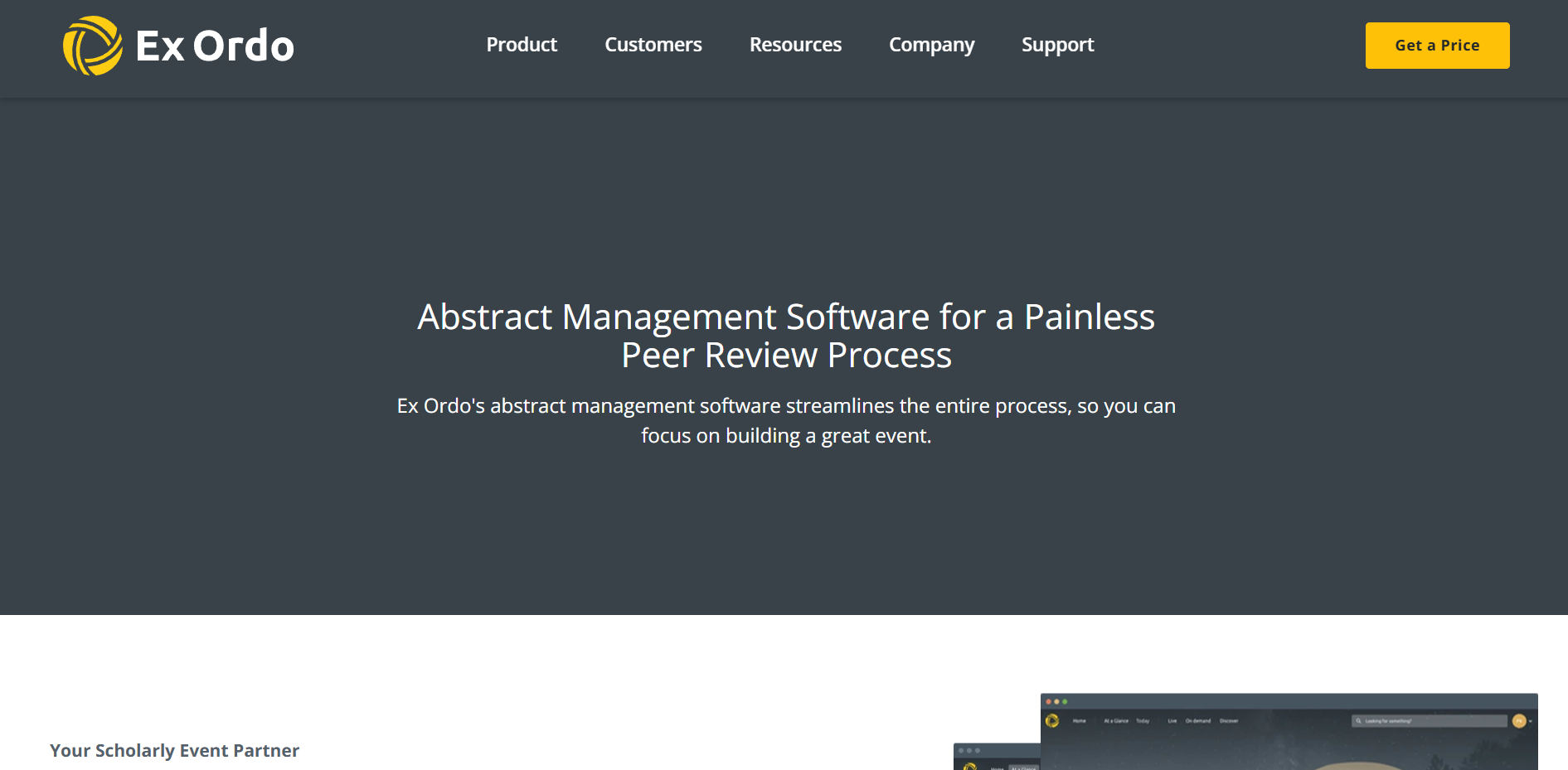
Ex Ordo focuses on academic and scientific conferences that need structured abstract workflows and controlled communication. The platform supports a complex peer review process. It also maintains centralized contact management for the authors, reviewers and attendees.
Key Features
-
- Custom Call for Papers and Abstract Collection: Organizers can create customized submission forms that align with the conference theme and presentation formats. Clear guidance from the organizers helps the authors submit complete and compliant abstracts.
- Structured Peer Review: Ex Ordo assigns abstracts to reviewers based on expertise and availability. Reviewers score and comment within a controlled framework that allows organizers to make transparent and fair decisions.
- Centralized Contact Communication: The details of the author, reviewer, and attendees remain accessible in one system. Organizers can send targeted messages without exporting data to external links.
- Registration Linked to Abstract Acceptance: The authors whose profiles are accepted can move directly to the registration process. This reduces friction and improves the registration process.
- Conference Progress Monitoring: The submission volumes, review completion rates, and registrations remain visible through the built-in analytics. This gives the organizers a fair idea of the event analytics and helps move the event in the right direction.
3. OpenConf
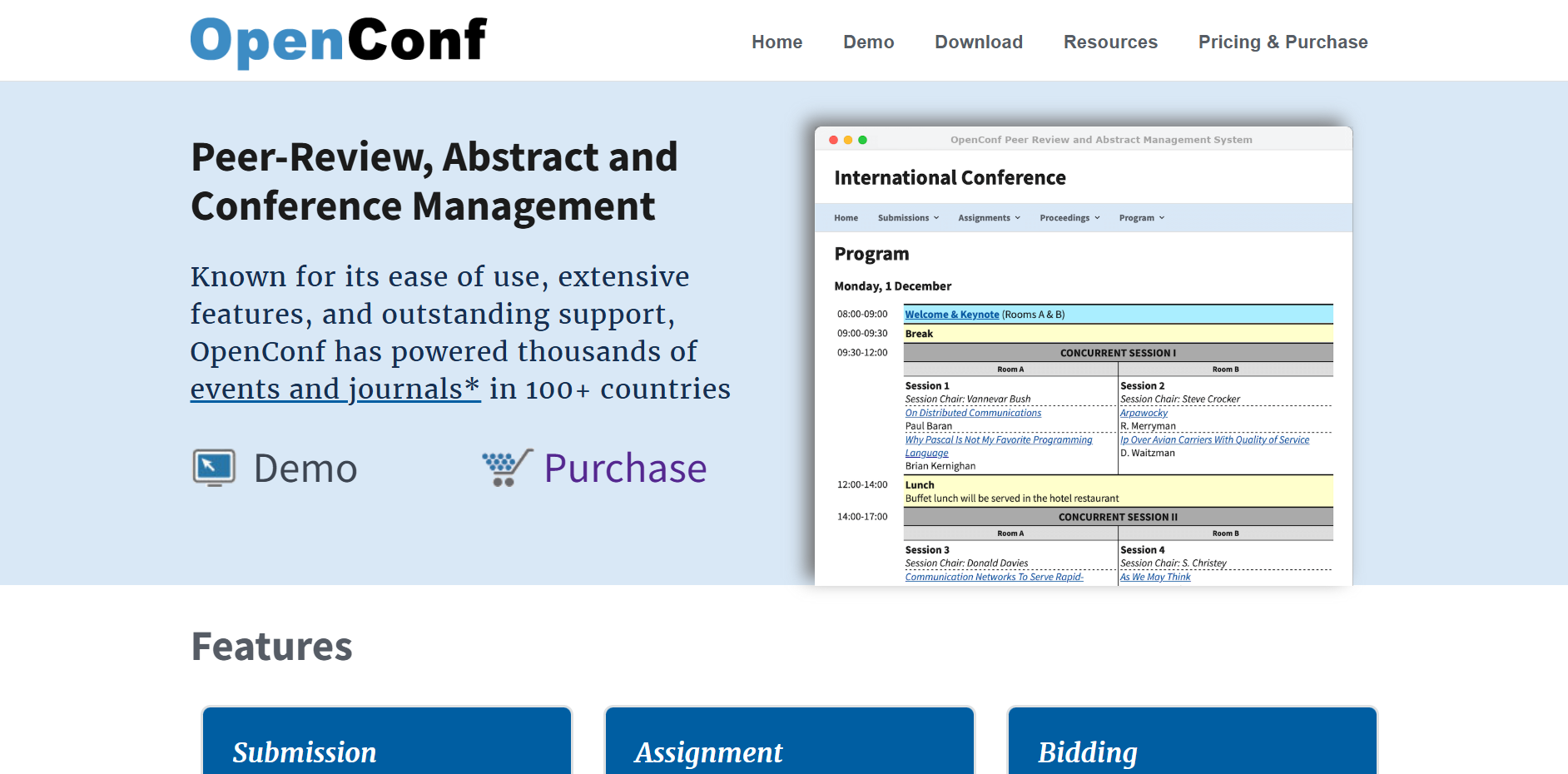
OpenConf is a niche tool designed specifically for handling abstract submissions and peer review processes for academic conferences. It is ideal for conference organizers who value the quality of the review process and abstract organization over the overall management of the event. Although OpenConf is not a comprehensive event CRM, it is essential for abstract management and can be used in conjunction with other registration and CRM tools.
Key Features
-
- Customizable Abstract Submission: The event management platform helps organizers to control submission formats, file uploads, and topic classifications. This structure ensures that abstracts stay in a standardized format that is suitable for review and application.
- Reviewer Assignment and Evaluation Tools: Organizers can assign reviewers manually or automatically. Reviewers evaluate the abstract using defined criteria consistently across the submissions.
- Configurable Review Workflows: The system supports multiple review rounds, revisions, and conditional acceptance workflows. This flexibility fits well with conferences that have complex evaluation requirements.
- CRM Compatibility Through Integrations: This allows organizers to connect submissions with event CRM or registration systems by allowing data exports and integrations.
4. Cvent
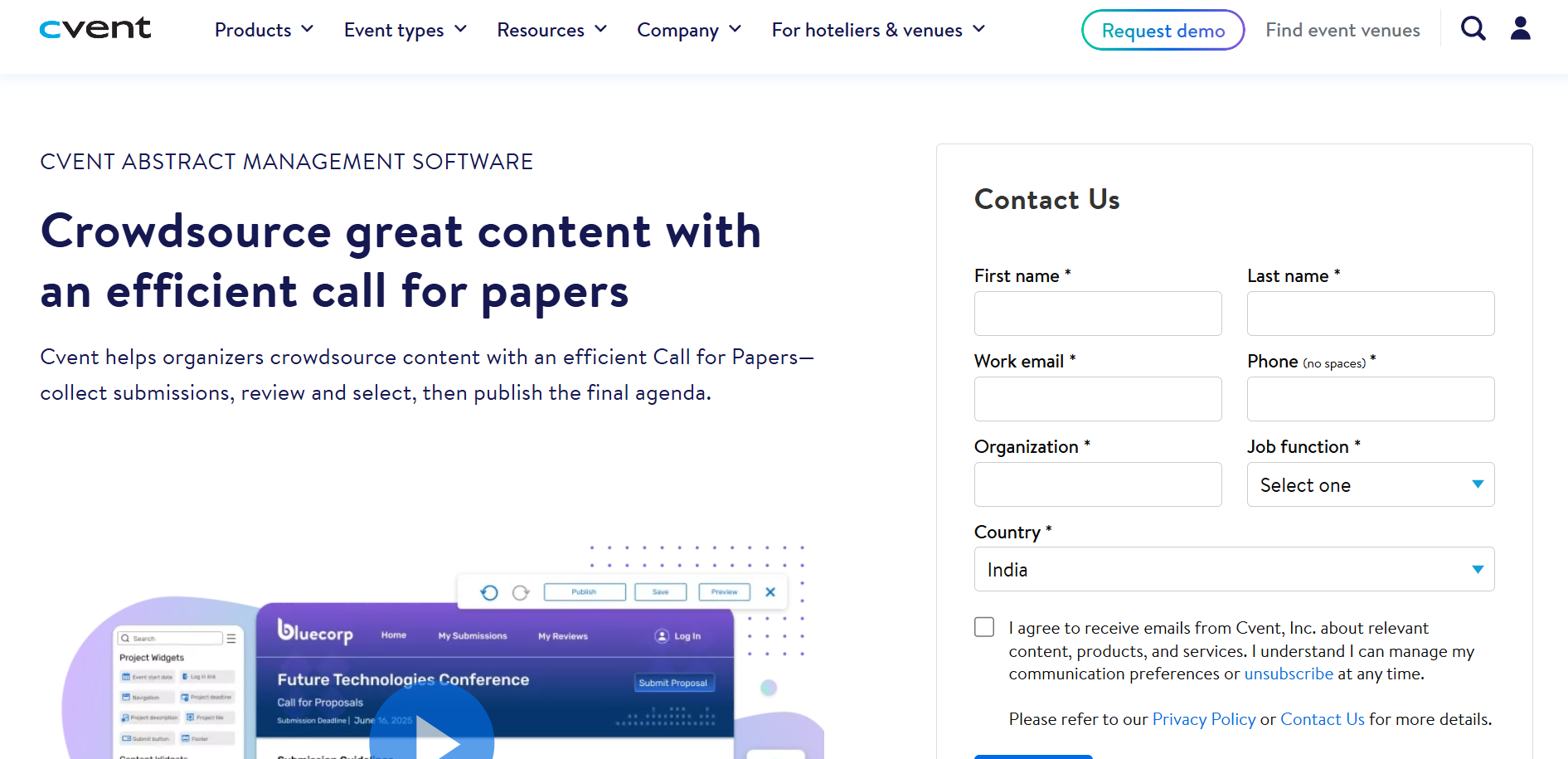
Cvent is used for large-scale corporate and association events that demand enterprise-level CRM, reporting, and engagement. Its abstract and speaker management functionality is integrated with the registration and marketing process. It assists the organizers in making the abstract submission and review process easy.
Key Features
-
- Enterprise-Grade Event CRM: Cvent records the attendee interaction across registrations, sessions, emails, and mobile app usage. This data supports segmentation, personalization, and post-event follow-ups.
- Speaker and Abstract Management Tools: Organizers can manage the speaker bios and session details within the same system. This helps them keep track of all the information and assign reviewers effectively to the submissions.
- Automated Agenda and Session Scheduling: The event management system allows organizers to create agendas, helps planners to avoid event conflicts and keeps the session details synchronized across the platforms.
5. Whova
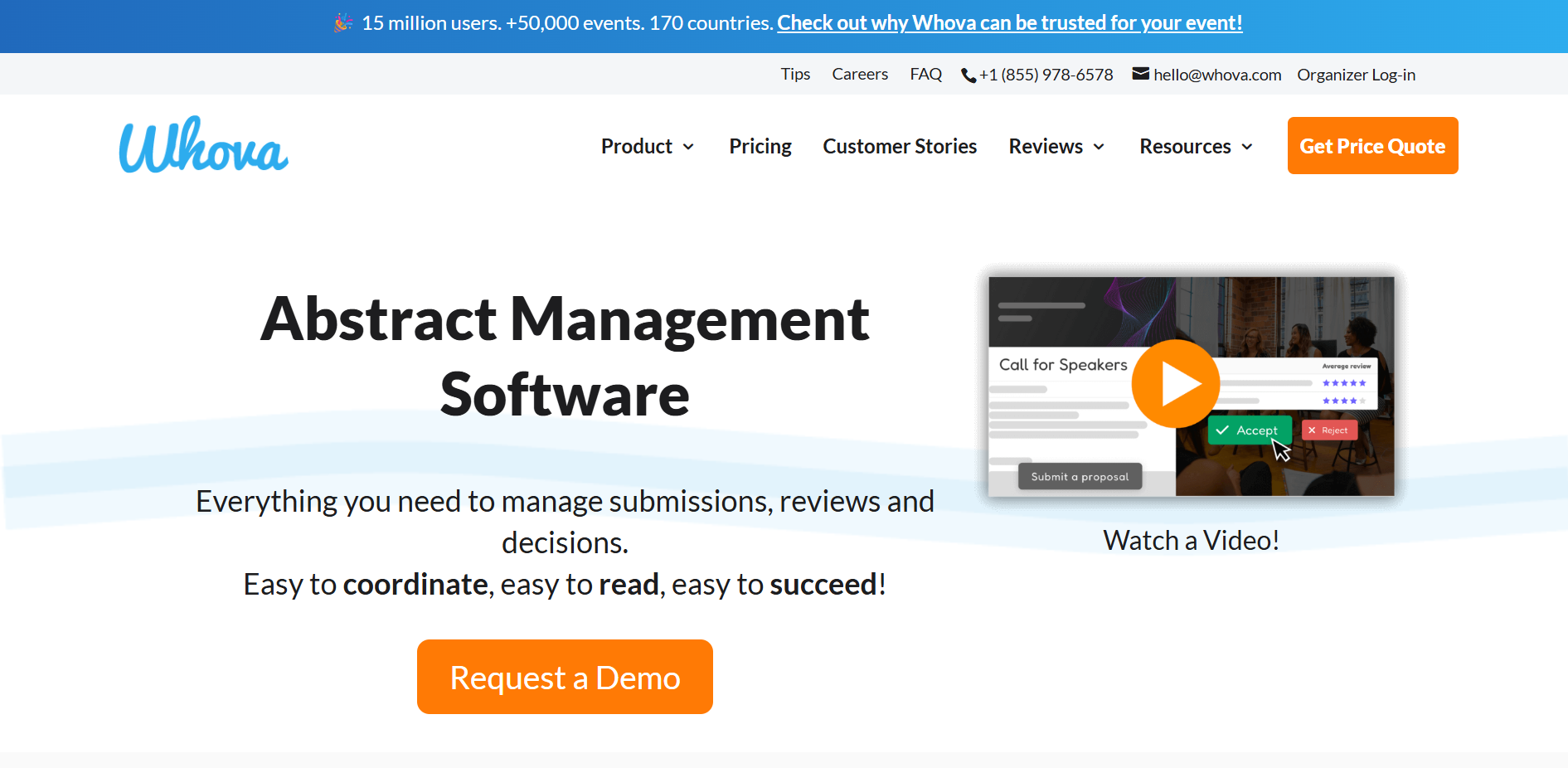
Whova is promoted as an engagement-focused event solution that also supports speaker proposals and abstract submissions. It is most appropriate for conferences and professional meetings where attendee engagement and mobile friendliness are important factors. While Whova does not focus on academic peer review, it still enables the submission of proposals for sessions, the management of speakers, and the tracking of attendee engagement through CRM analytics.
Key Features
-
- Attendee CRM with Engagement Tracking: Whova allows organizers to track attendee engagement activities such as session attendance, networking, and feedback. This keeps them updated and helps create customized experiences.
- Mobile Event App: Attendees can access abstracts, schedules, and speaker details using the Whova app. This improves visibility of sessions and speakers and gives the attendees an easy experience.
- Automated Messaging and Alerts: The platform sends notifications, announcements, and updates based on session updates or attendee preferences. In this way, everyone stays updated regarding any changes.
- Community Interaction Tools: Whova allows interaction using polls, Q&A, and discussion boards. This allows engagement beyond sessions and builds connections.
6. EventsAir
EventsAir is a comprehensive event management solution that caters to conferences that involve organized abstract management, registration, CRM, and hybrid models. The solution is ideal for large associations and professional event organizers who handle complex events involving multiple sessions, speakers, and types of participation. EventsAir is primarily built for event management and scalability.
Key Features
-
- Abstract-Driven Session Planning: EventsAir connects accepted abstracts to session planning, which guarantees proper speaker allocations.
- Comprehensive Attendee CRM Database: Event organizers store attendee information, preferences, and history in a centralized database. The process allows them to stay up to date with all the necessary data.
- Email Automation and Campaign Management: Segmented campaigns assist event organizers in reaching targeted attendees at each stage of planning.
- Hybrid Event Planning: EventsAir accommodates both physical and online attendance, enabling event organizers to handle multiple event types using a single solution.
7. Glue Up
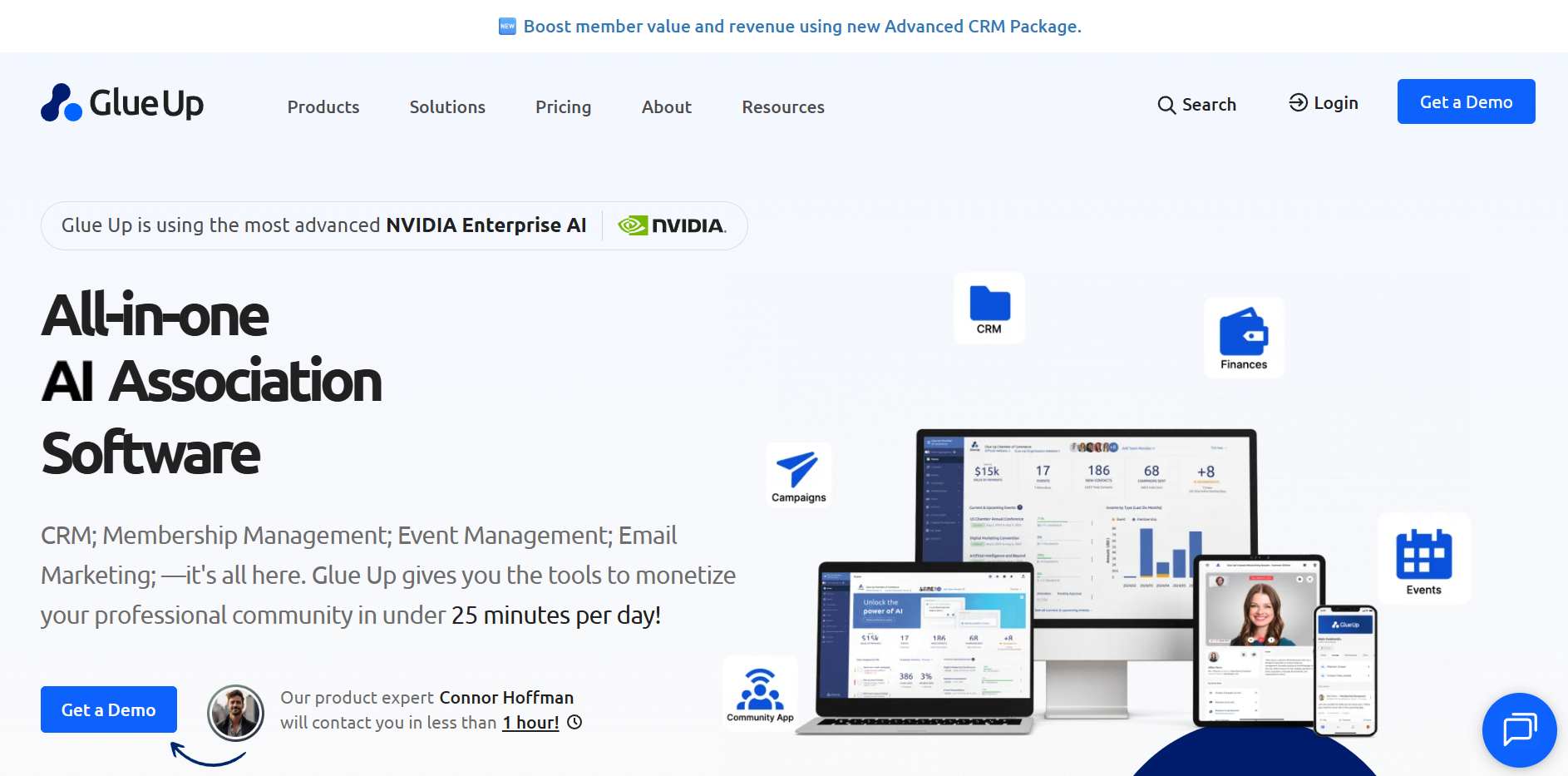
Glue Up’s main focus is on relationship-building event management for associations and non-profits. The software combines abstract collection, speaker management, and event registration with a long-term CRM solution that aims to build relationships with members and attendees across a series of events.
Key Features
-
- Abstract and Speaker Content Management: The organizers can use a single platform for managing abstracts, speakers, and content. In this way, they can work faster and easier,
- Mobile Event App for Attendees: The mobile event app provides scheduling, notification, and networking features to enhance attendee engagement during the event.
- Workflow Automation for Event Tasks: Automated emails and notifications minimize the need for manual coordination of event-related tasks and enhance the efficiency of those tasks.
- Community Engagement and Feedback Tools: Glue Up offers features such as polls, forums, and surveys to allow the organizers to collect feedback from the attendees.
8. EasyChair
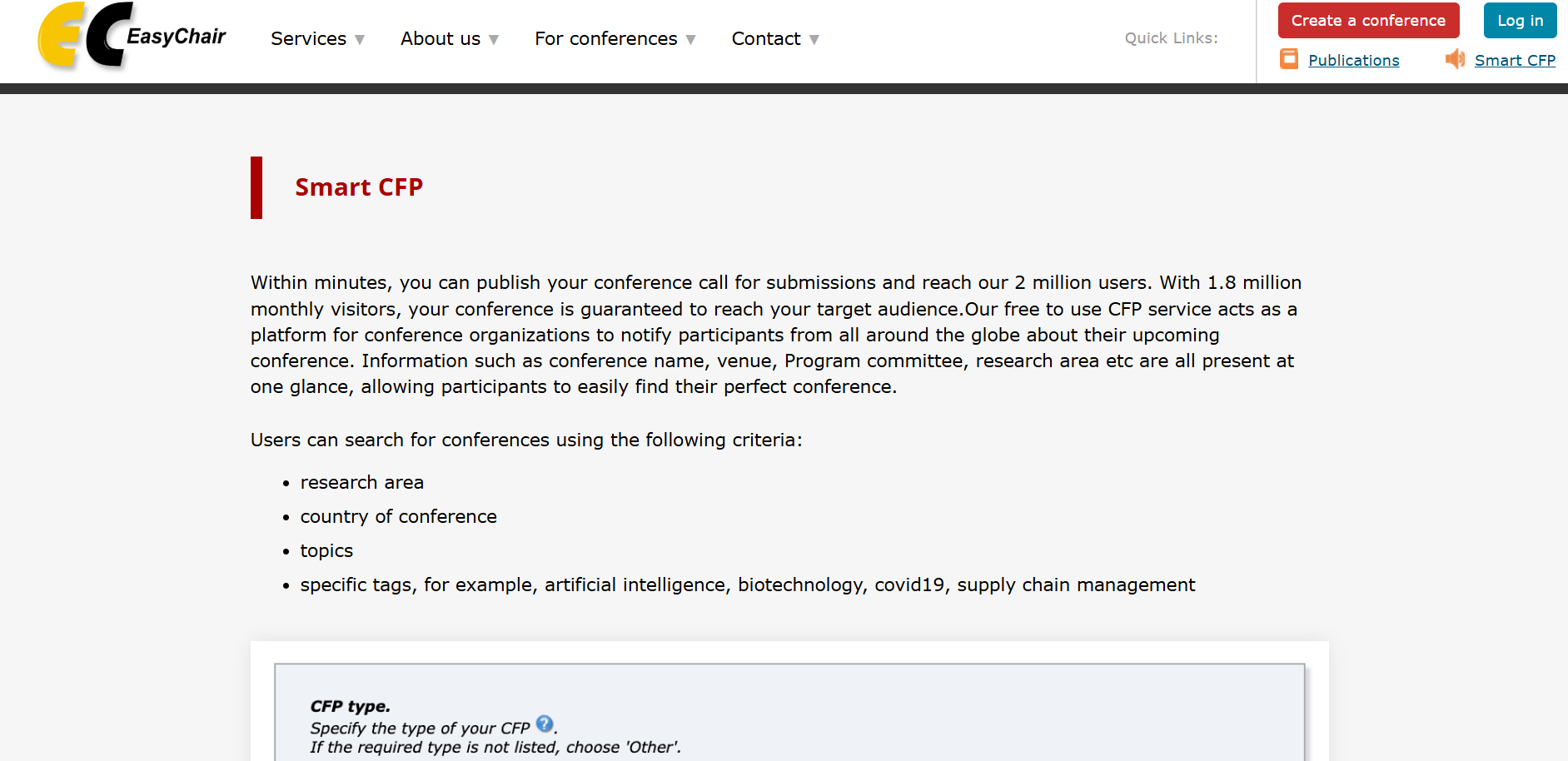
EasyChair is a platform that is widely used in academic and research conferences for abstract and paper submissions. The platform prioritizes structured peer review, editorial control and publication workflows. It does not offer a full event CRM, but maintains detailed records of authors, reviewers, and submissions that support conferences.
Key Features
-
- Structured Abstract Submission System: EasyChair guarantees that all abstract submissions are in a standardized format, which makes it easier to review and publish abstracts.
- Strong Peer Reviewing System: Abstract submissions are reviewed by peers using a set of predefined criteria, ensuring that all abstract reviews are fair and consistent.
- Automatic Notifications to Authors: Authors are automatically notified about the status of their abstract submissions, changes, and acceptance.
- Management of Authors and Reviewers: EasyChair provides a list of authors and reviewers, which helps the organizers manage author and reviewer responsibilities.
9. Mobilizon
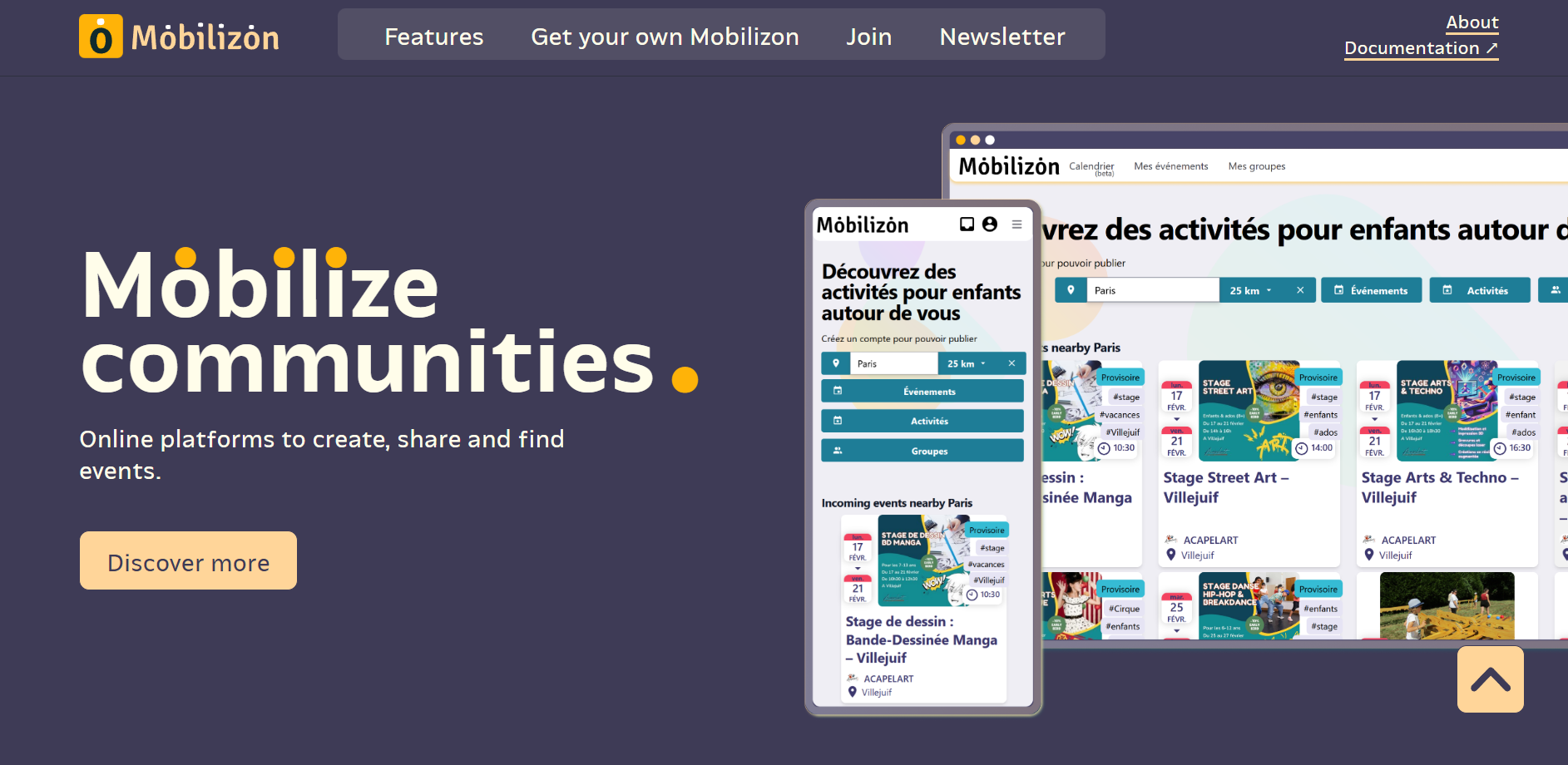
Mobilizon is an open-source platform intended for event creation and community organization, not abstract review. It is appropriate for grassroots communities, academic collectives, and organizations that prefer a decentralized approach and data ownership. Although abstract management needs external tools, Mobilizon allows for CRM-style group management and long-term engagement.
Key Features
-
- Open-Source Event Customization: Mobilizon enables organizations to customize the platform for their event processes using open-source flexibility.
- Group-Based CRM Functionality: Organizers manage communities, member participation, and engagement history.
- Calendar Synchronization: The system helps to sync the events and their details with external calendars. The process allows attendees to remain informed about the event.
Final Thoughts
Event management in 2026 needs to involve more than just a registration tool, a scheduling system, or a submission management system. The nature of conferences and professional events has evolved to the point where they are now ecosystems that involve abstracts, reviewers, speakers, and attendees who all need to work in harmony. Abstract management systems that integrate event CRM can go a long way in helping organizers manage their workflows and data in a consistent manner.
Each of the systems mentioned in this list takes a different approach to the needs mentioned above. While some systems are designed with academic rigor in mind and peer review processes, others are designed with attendee engagement in mind or are meant for large-scale enterprise use. Book a free demo from Dryfta today and see how it can help you.