🚀 Join our
Live Demo every Friday at 11:00AM EST and see Dryfta in action!
×
Skip to content
Products / Abstract Management Research-grade abstract management & peer review
Manage your full research review process. Collect different types of research, coordinate reviewers and track chairs, and keep decisions clear. Follow each submission through revisions, final papers and the scientific program.
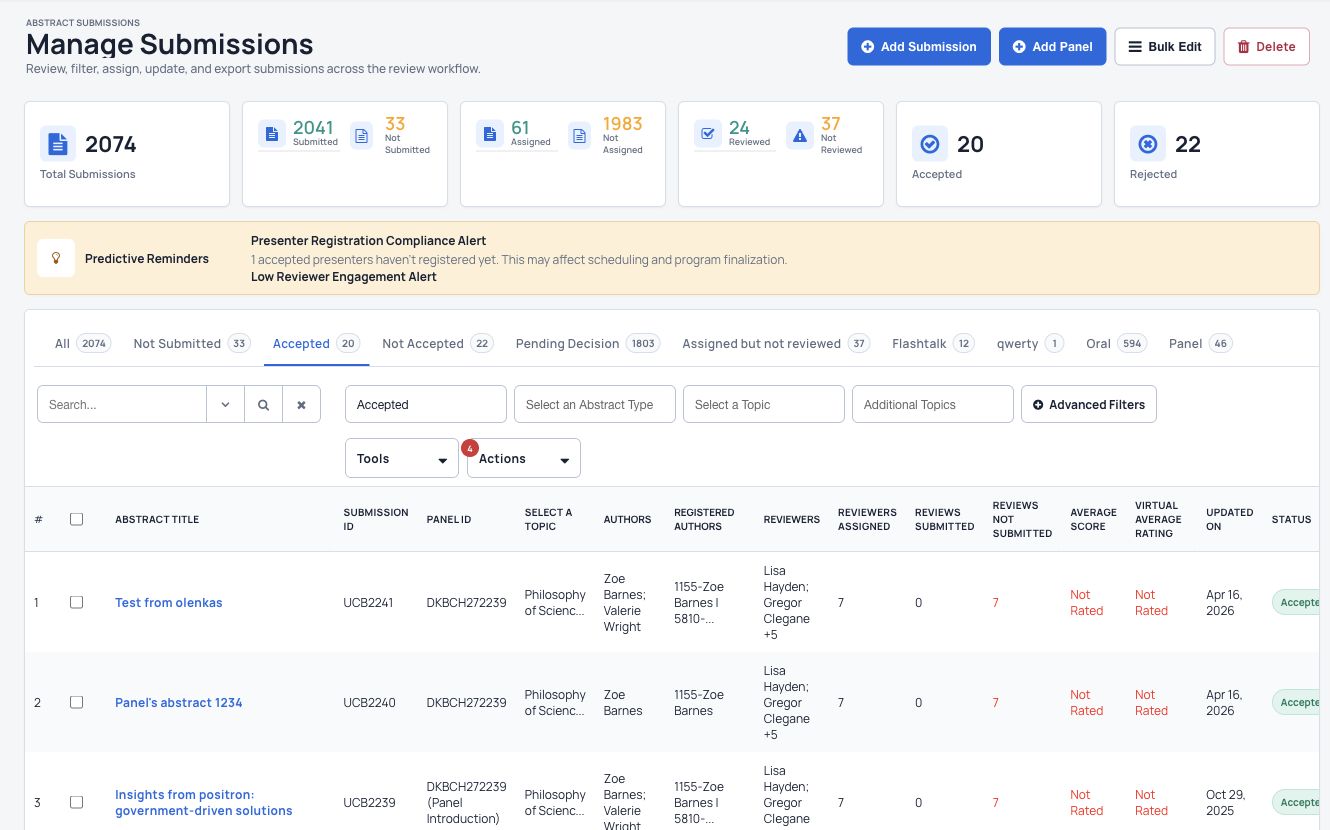
Organizers: manage submissions
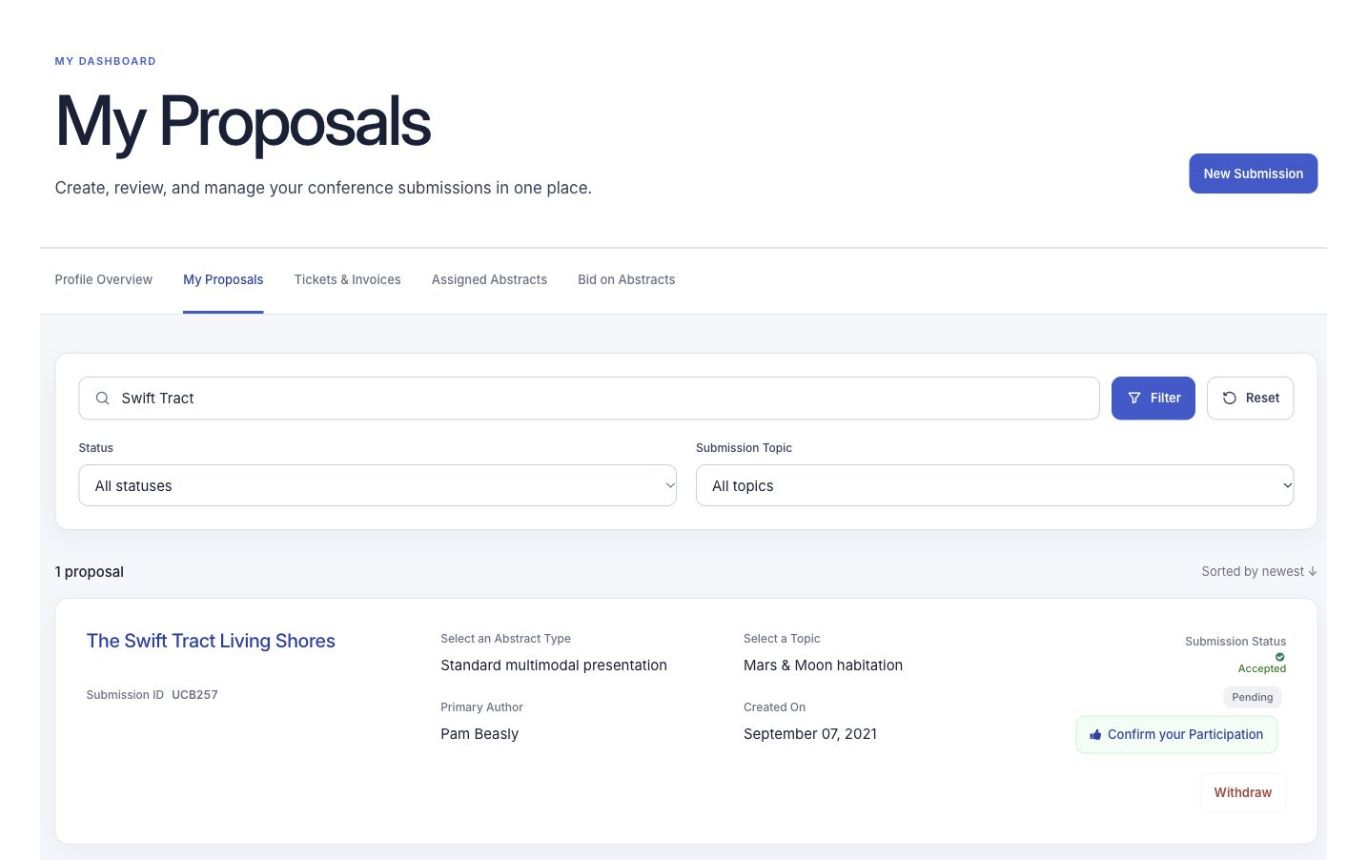
Authors: follow their submissions
Submission status and review progress.
Set the rules for your call Use different submission types, tracks, topics, forms and deadlines.
Keep your committee in control Match reviewers, manage workloads, choose blind review and support track chairs.
Carry accepted work forward Send decisions, collect final papers, track changes and build program sessions.
How it works
Follow the research conference workflow. 1 Open the call Choose submission types, tracks, topics and the details authors need to provide.
2 Review and decide Assign reviewers, follow progress and help your committee make and share decisions.
3 Prepare the final program Collect revisions and final papers, review each submission's changelog and turn accepted work into sessions.
Abstract Management
A clear process for every type of research Give abstracts, full papers, panels and posters the questions, deadlines and steps they need.
Different submission types, tracks and topics Forms and deadlines for each submission route An author dashboard for submissions, revisions and final files
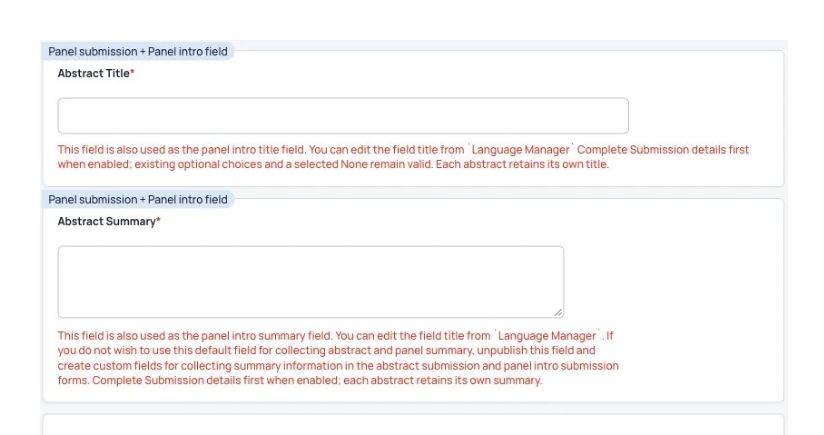
Title, abstract text and file-upload questions.
Abstract Management
Support reviewers and track chairs Coordinate peer review with assignment rules, workload limits and the right access for your committee.
Reviewer topics and preferences Manual or automatic assignments and workload limits Blind review, decisions and track-chair communication
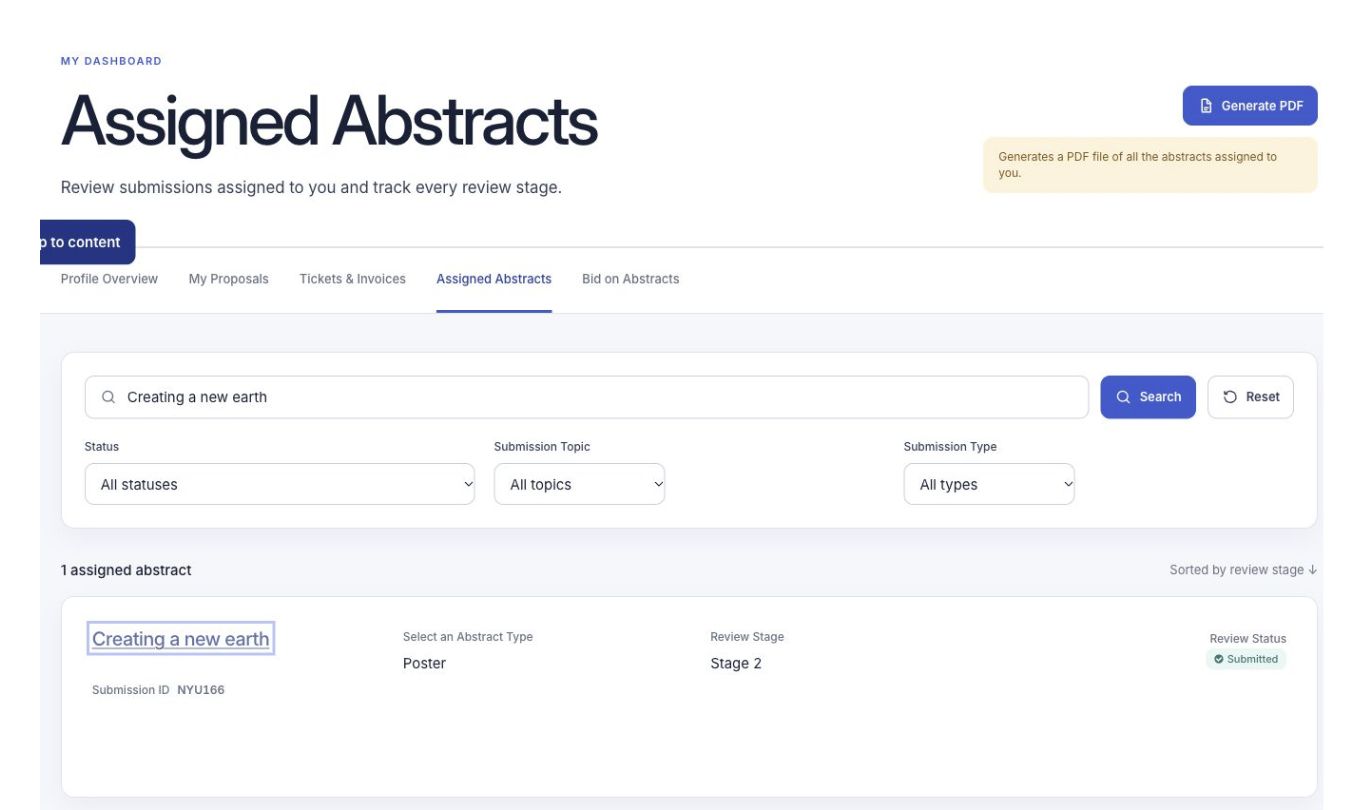
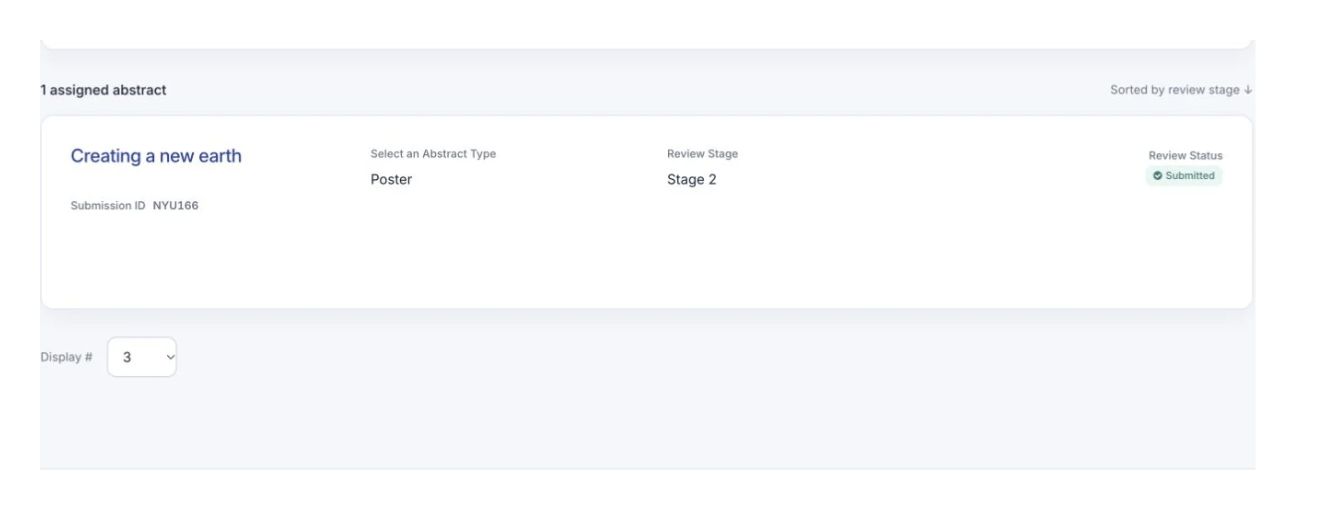
Reviewers find assigned abstracts and their review stage in the event.
Abstract Management
Collect and manage submissions Help authors submit their work and keep track of what happens next.
Set up your call for abstracts
Create a form for each submission type, set deadlines and organize your reviewers.
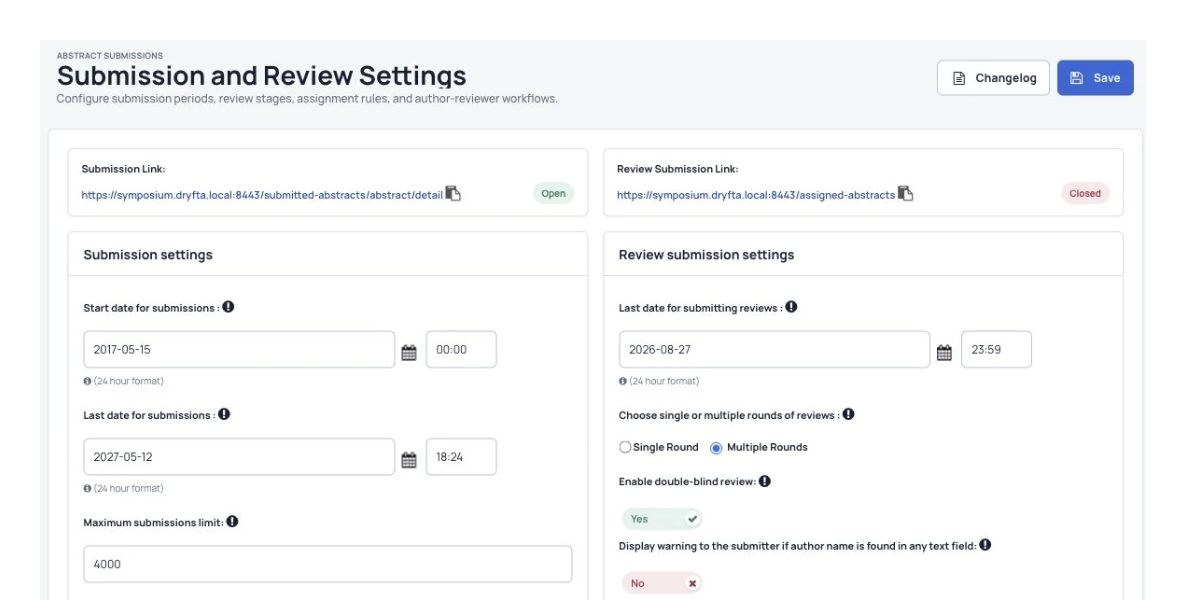
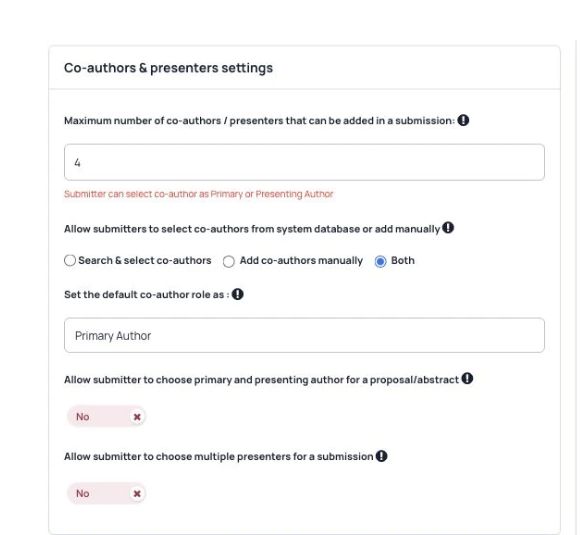
Submission deadlines, author options and review settings. Set submission deadlines. Limit the number of co-authors on each submission. Control how many submissions you accept for each type. Create different submission types, including individual abstracts and panels. Give each submission type its own set of questions. Let authors upload several files, including PDFs and MP4 videos. Choose automated or manual assignments to connect submissions with reviewers. Choose single or double blind review to keep the required identities private.
Manage submissions and record decisions
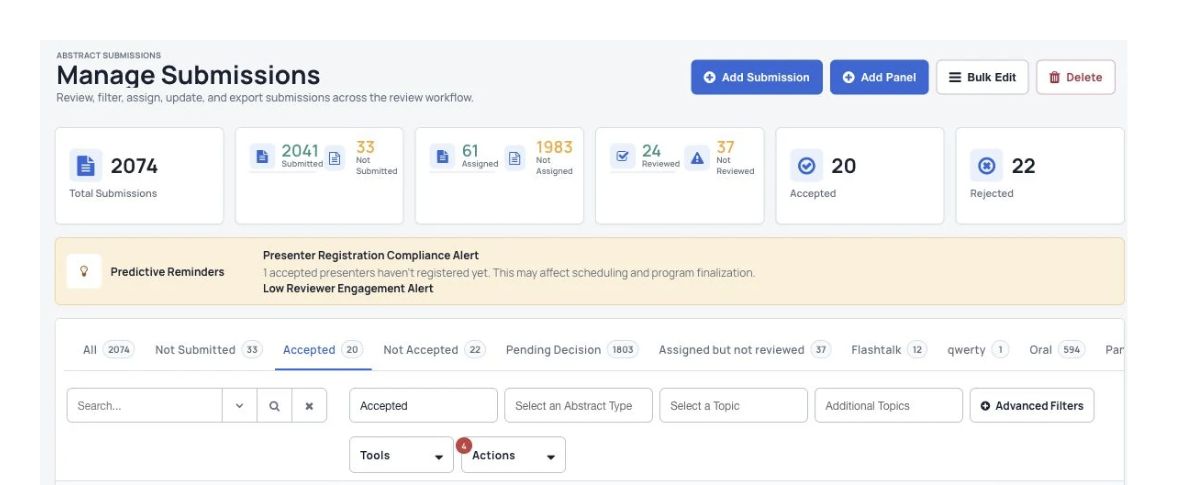
Submission status and review progress. Accept or reject abstracts and notify authors and co-authors automatically. Download abstracts as spreadsheet files (CSV) or PDFs. Filter abstracts by the information collected in your forms. Sort abstracts by score or status.
Choose how authors and reviewers work
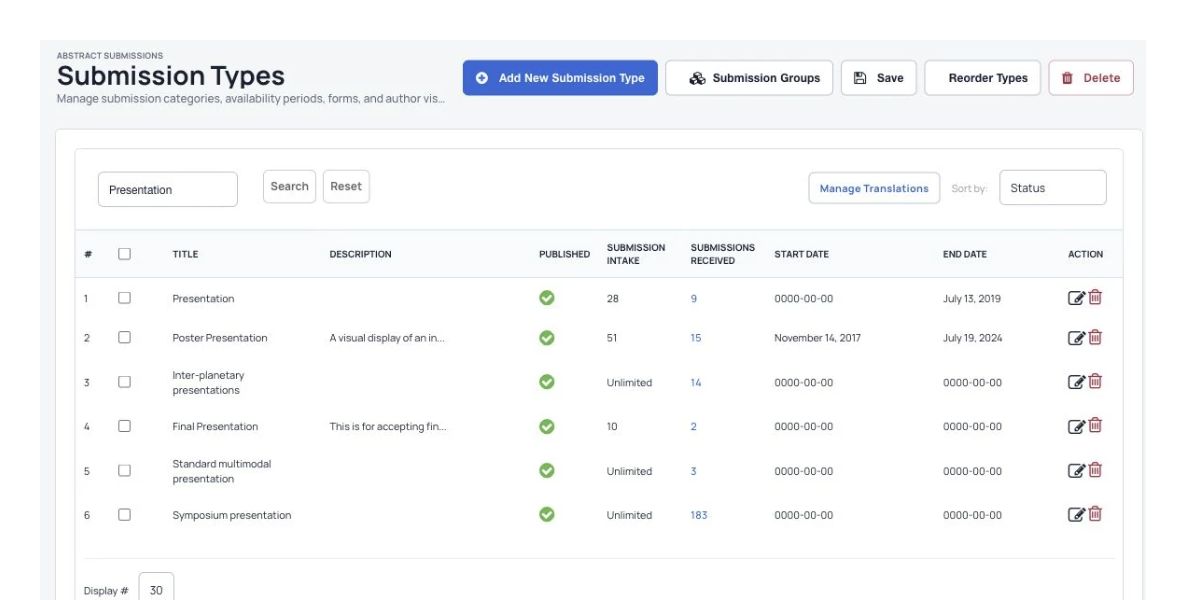
Submission types with their availability and deadlines. Let authors submit revised versions of accepted abstracts. Choose whether co-authors can edit an abstract. Choose whether co-authors receive automatic registration and submission emails. Choose single, double or triple blind review, depending on which identities your process needs to keep private. View submitted abstracts in the organizer dashboard.
Give authors one place to manage their work
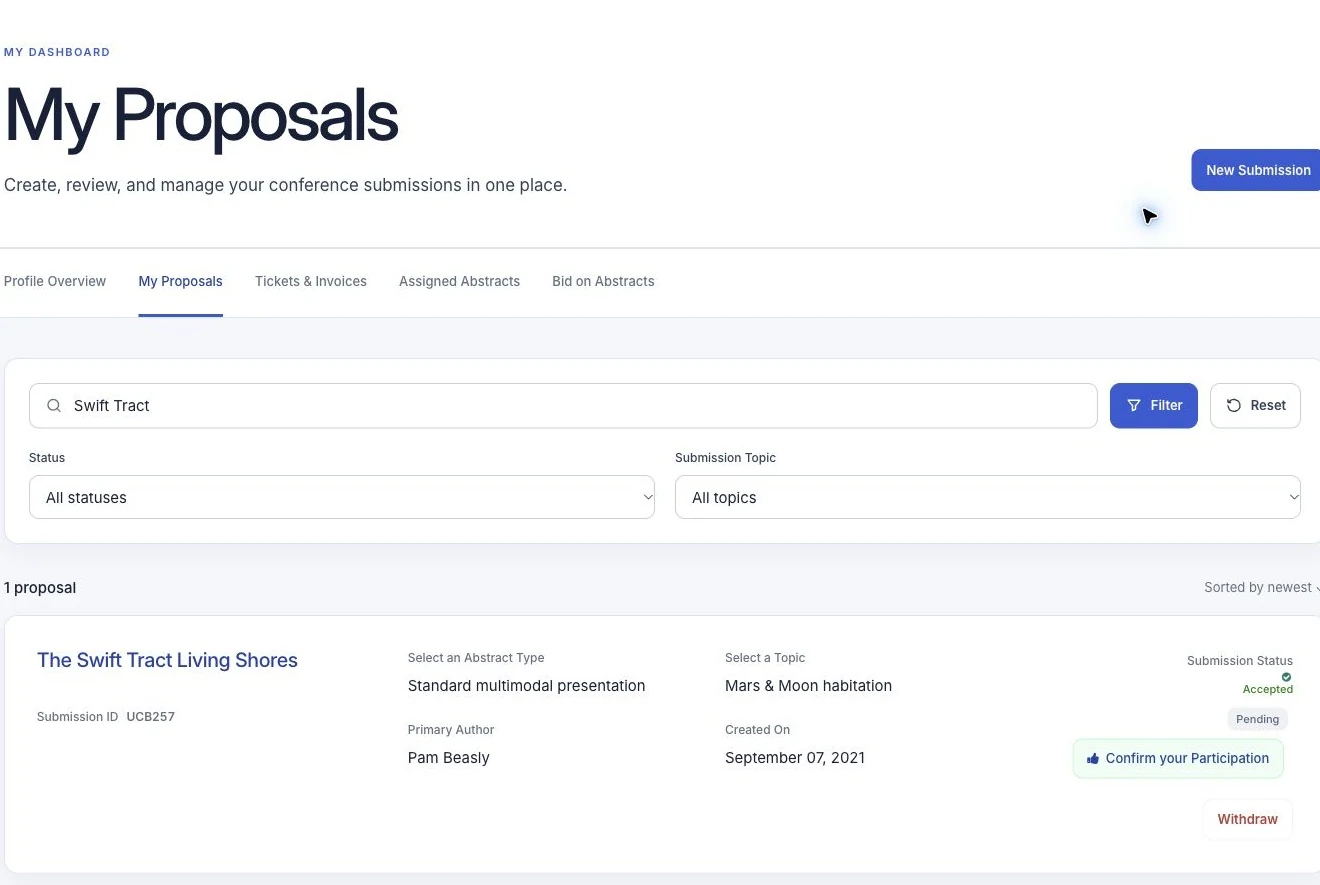
Authors manage their abstracts and see decisions in My Proposals. Show an author’s abstracts on their public profile. Let the submitting author choose several presenters for an abstract. Let authors upload final presentations, PDFs and recorded videos for accepted abstracts. Collect conference registration details alongside an abstract submission. Use ready-made email templates for authors and reviewers, or change the wording to suit your event.
Collect fees for submitted or accepted abstracts
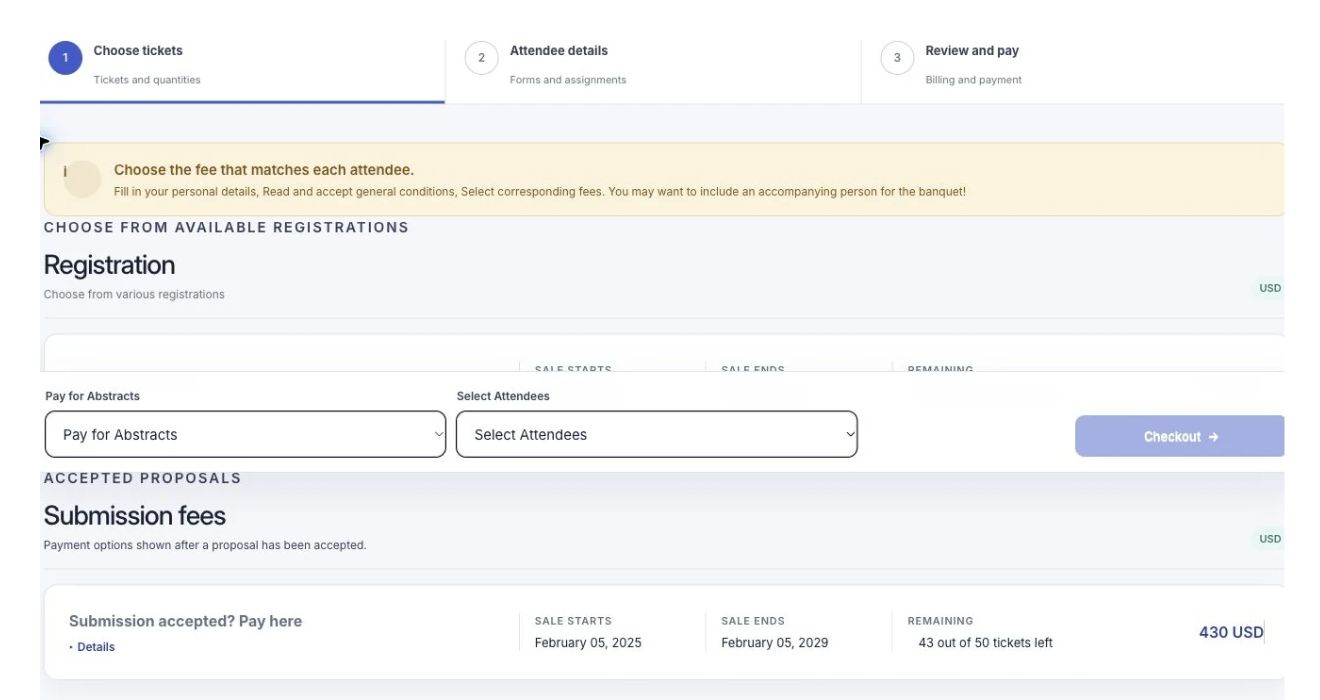
Registration and submission-fee options on the event website. Create tickets that authors buy when they submit an abstract.Let authors pay submission fees by credit card, purchase order or PayPal. Filter abstracts to see which have been paid for.
Build the submission and review forms you need
Title, abstract text and file-upload questions. Choose question types such as text boxes, checkboxes, file uploads, yes/no questions and dropdowns with several choices. Show follow-up questions based on earlier answers in submission and review forms. Choose which parts of a form guests and logged-in users can see.
Let authors submit a panel together
Co-author and presenter controls. Group abstracts into a panel or symposium. Have the panel organizer submit an introduction, then ask each speaker to submit their own abstract. Review and accept a panel as a group, with the option to review its abstracts separately. Let organizers add an author’s abstract to a panel if the author needs help.
Collect final papers and track submission changes
Authors can filter their proposals, see decisions and confirm participation. Collect submissions in stages , from the first abstract to the final presentation.Ask authors to submit an abstract first, then have reviewers assess it. Let the committee accept the top-scoring abstracts and invite those authors to submit their final papers. Let users upload final papers and let admins track changes in the changelog under each submission.
Abstract Management
Coordinate reviewers, track chairs and decisions Give reviewers clear tasks and help your committee compare the results.
Assign abstracts to reviewers
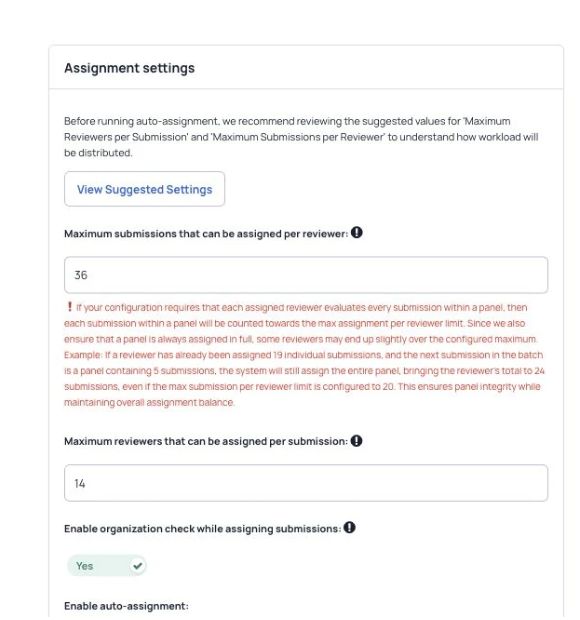
Reviewer assignment rules and workload limits. Set review deadlines. Assign abstracts to reviewers automatically, either at random or by matching topics. Use manual bulk assignment to filter submissions and assign several abstracts to several reviewers at once. Limit the number of abstracts per reviewer and reviewers per abstract. Let reviewers discuss an abstract with each other before they review it. Track submissions, completed reviews, authors and reviewers in reports. Use reviewers' selected topics and review preferences when organizing assignments.
Support reviewers and track chairs
Reviewers find assigned abstracts and their review stage in the event. Let reviewers update and resubmit reviews of accepted abstracts. Let reviewers upload supporting files with a review. Let reviewers send feedback to authors and notify them automatically. Accept or reject several abstracts at once and notify their authors. Use several scoring questions and rating scales in a review. Let reviewers discuss an abstract with other reviewers before sending their review. Give track chairs configured access to submissions and tools to contact authors, send decisions and request updates.
Score abstracts using your own questions
Build a review form with questions, rating scales and file uploads to help your committee compare submissions.
Reviewers can filter assigned abstracts and track their review stage and status. Let reviewers score abstracts against different criteria. Choose the questions reviewers answer. Calculate each abstract’s average score automatically when reviews are submitted. Use rating scales to score several aspects of an abstract.
Manage feedback and author replies
Let reviewers give feedback and authors reply during the review process.
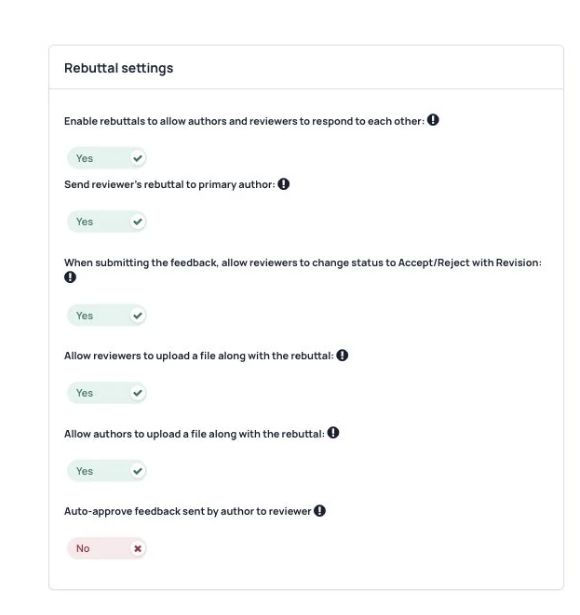
Feedback and author reply settings. Email authors automatically when a reviewer sends feedback. Have a committee member check an author’s reply before it reaches the reviewer. Send the reply to the reviewer automatically once the committee approves it. Keep the feedback and replies with the abstract in the organizer dashboard.
Review submissions in several stages
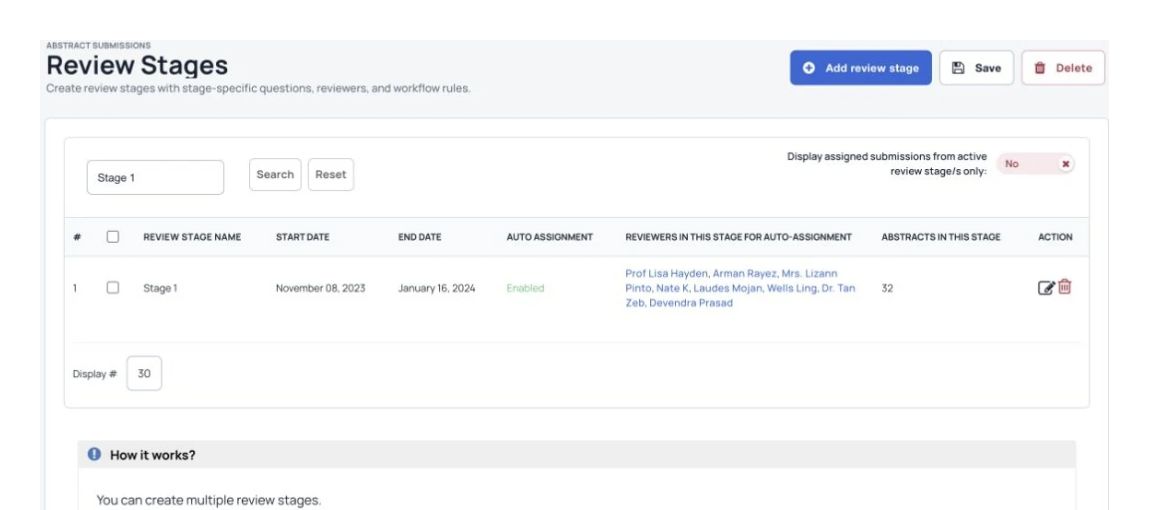
Configure stage dates and reviewer assignments. Split review into steps, such as screening, a detailed review and a final review. Give each review stage its own deadline. Choose different review questions for each stage. Choose the reviewers for each stage. Compare scores and move qualifying abstracts to the next stage.
Abstract Management
Share research and keep people informed Create your abstract book, share reports and send updates.
Create your abstract book
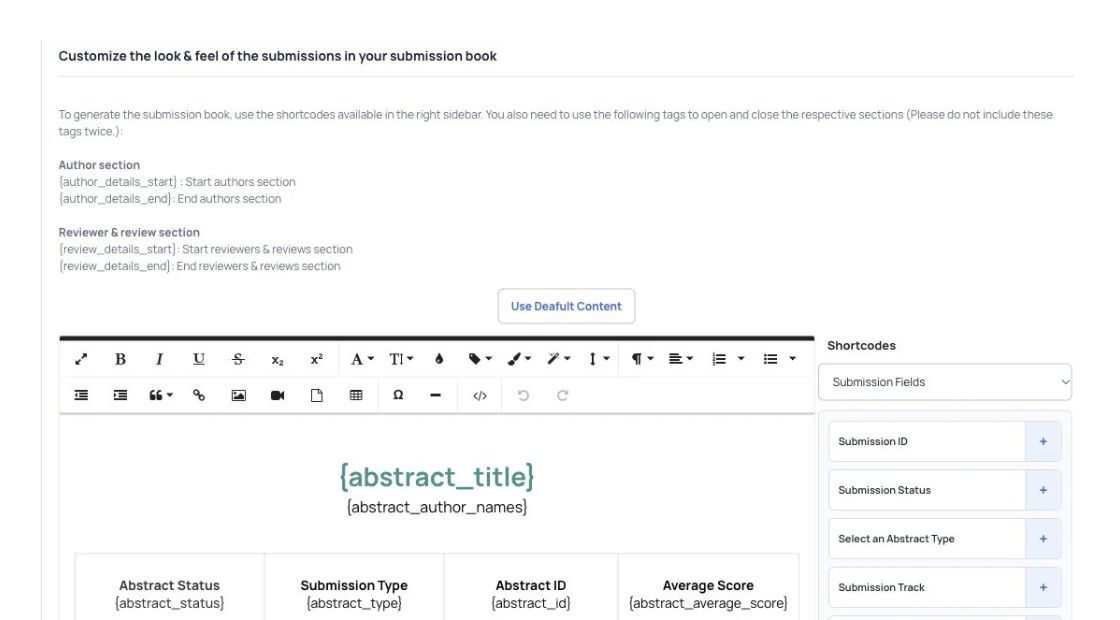
Choose fields and layout for the abstract book. Choose the front and back covers. Add a background watermark to each page if needed. Include messages and keynote texts from your event chair, committee and guests. Choose whether to include accepted abstracts, rejected abstracts or both. Choose which abstract, author and reviewer details appear in the book, then download it as PDF or CSV.
Import, download and share your abstract data
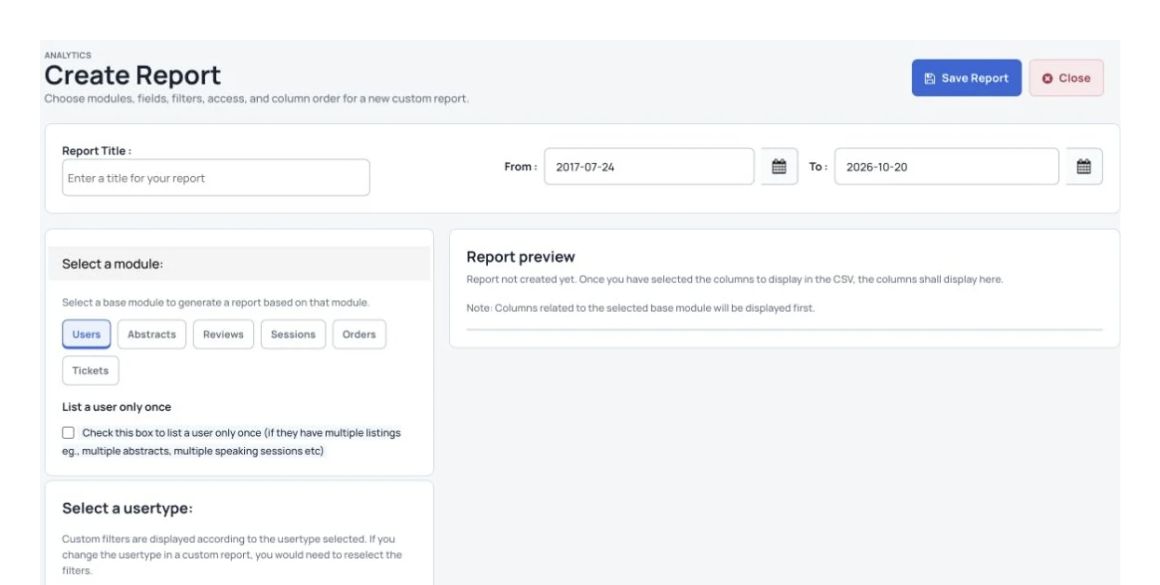
Choose the report module, dates and columns. Add or update abstracts from a spreadsheet file (CSV). Download abstracts as a CSV file to open in a spreadsheet. Download abstracts and reviews as PDFs. Build reports and share them with people outside your team through a secure link. Filter abstracts by type, topic or answers in your forms, then download the results as CSV.
Keep authors and reviewers informed
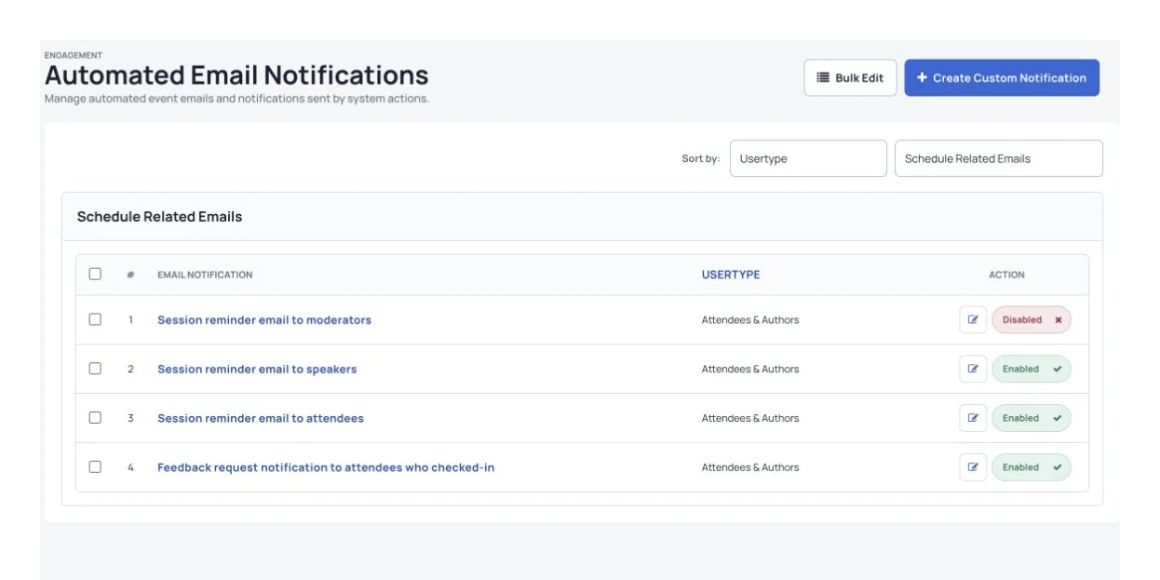
Automated event messages for registration, orders and submissions. Send automatic emails when authors register, submit an abstract or complete other related steps. Record your decision and notify authors automatically. Change the wording of automatic emails. Change invoice emails sent to authors after payment. Send the same update to a group of authors, submitters or reviewers at once.
Help people find abstracts and posters
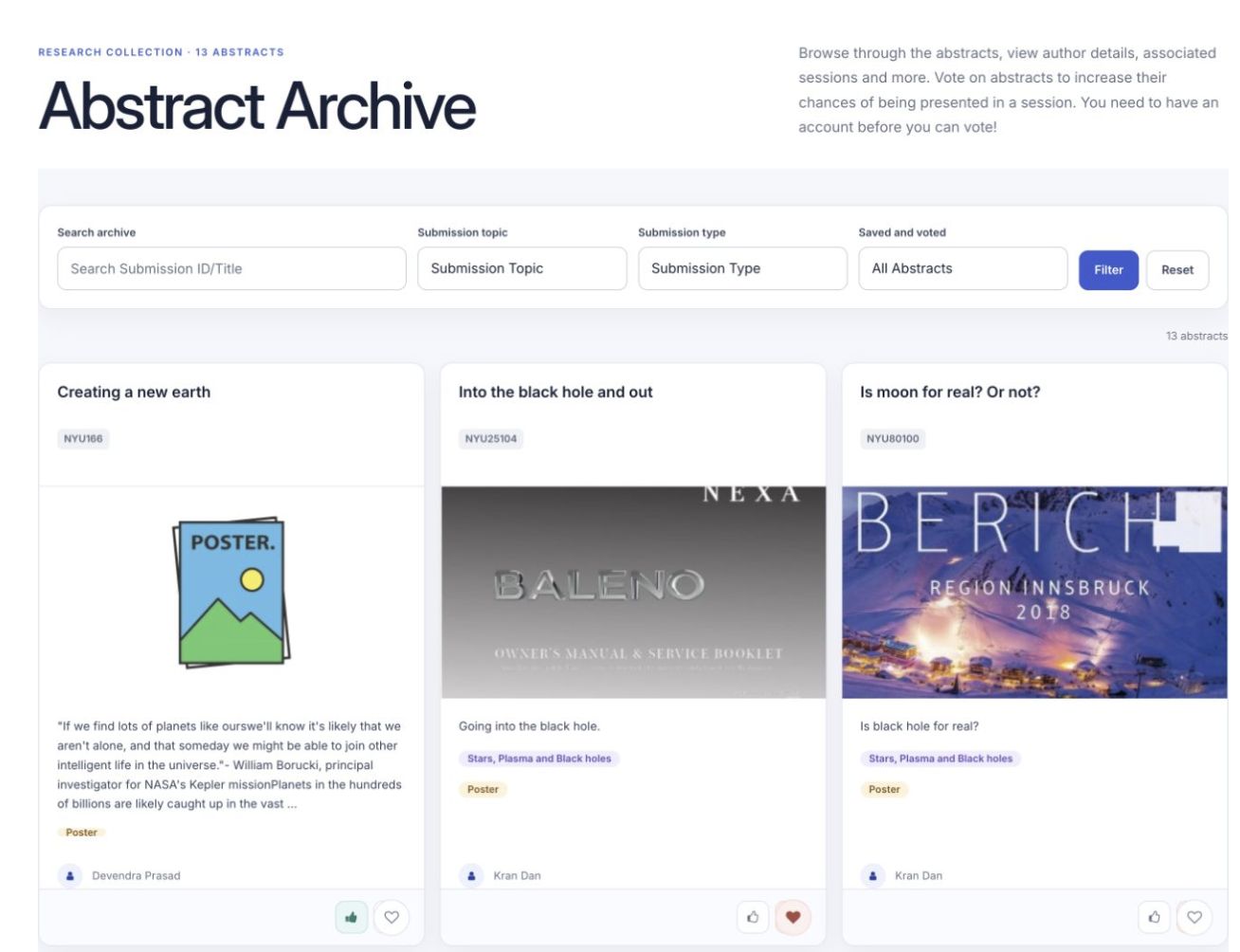
Published abstracts with topics, authors and discovery filters in the abstract archive. Let people search the online abstract and paper collection by title, type, topic, author or keyword. Collect votes for poster awards. Let visitors save a favorite abstract with the Like button. Let visitors ask presenters questions in the chat under each poster. Show presenter profiles, their sessions and their submitted abstracts together.
Looking for AI support? Explore writing checks, reviewer assistance and document checks in AI Research Workflows.
AI Research Workflows More useful tools
More ways to manage your event. Before you start Before opening your call for papers, agree on the submission steps, review questions and who can see or change each part.
Can we use different steps for different submissions?+ Yes. You can set up different forms, deadlines and review stages for different types of submissions. Choose the steps your committee needs before opening the call for papers.
Do authors and reviewers have their own place to work?+ Yes. Authors can manage their submissions, and reviewers can see and review the work assigned to them. You choose what each group can access.
What happens after submissions are accepted?+ You can use accepted submissions to build the event program and create an abstract book.
Can admins track changes to a submission?+ Yes. Users can upload final papers, and admins can track changes using the changelog under each submission.
Can we manage reviewer workloads and track chairs?+ Yes. Set reviewer assignment limits and use configured access and communication tools for track chairs. Choose the roles and review steps your committee needs.
See Dryfta for yourself
See abstract management in action. Tell us about your event and the tasks you want help with. We’ll show you how to do them in Dryfta.
Request a demo